
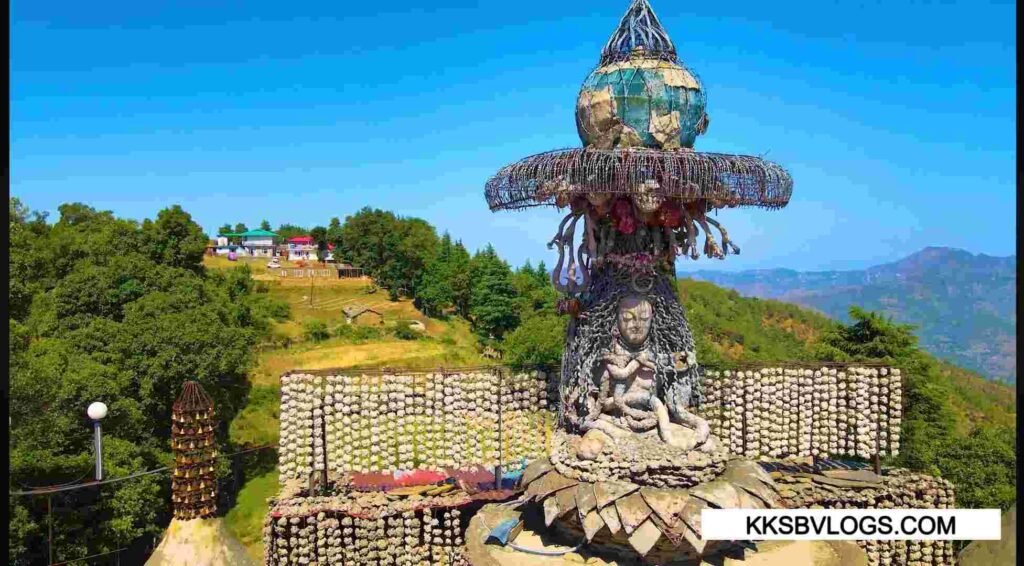
The temples of Himachal Pradesh are often divided into two categories — either very ancient, or very popular. But Stone Kumbh Shiv Temple, Chail lies somewhere in between these two categories. It is neither an ancient archaeological monument, nor a mainstream tourist attraction. Still, those who visit this place tend to remember it.
The aim of this blog is not just to provide information about a temple. The aim is to document a place that stands as an example of human vision, personal effort, and slow creation. If you are a traveller who explores offbeat places, or a person who wants to understand history not just through dates but through context — then this blog is for you.
Why Stone Kumbh Shiv Temple in Chail Is More Than Just a Shiva Temple
Calling Stone Kumbh Shiv Temple simply a “Shiva temple” would be a slight injustice to this place. Because the first thing you notice here is not just the idol or rituals, but the environment and intent.
When you arrive here, you will not find loud bhajans, crowds, or commercial activity. Instead, you will find:
- the coolness of stone
- the sound of the wind
- and a silence that does not feel forced
The essence of this temple is based more on reflection than ritual. This is a place that asks you to pause, not just to look and move on. That is why, for travellers who prefer slow travel, Stone Kumbh Shiv Temple becomes a meaningful stop.
Where Is Stone Kumbh Shiv Temple Located and Why This Location Matters
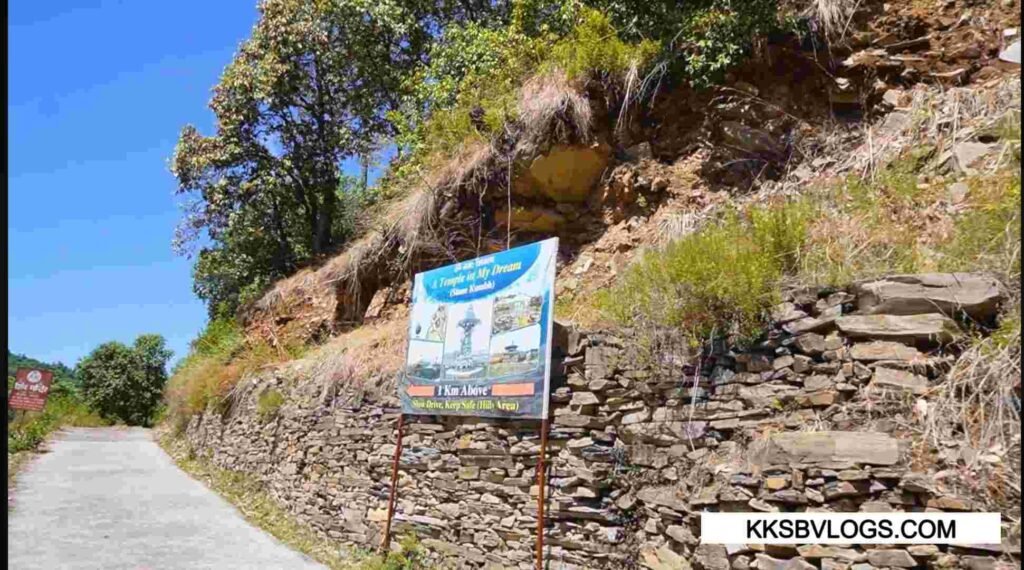
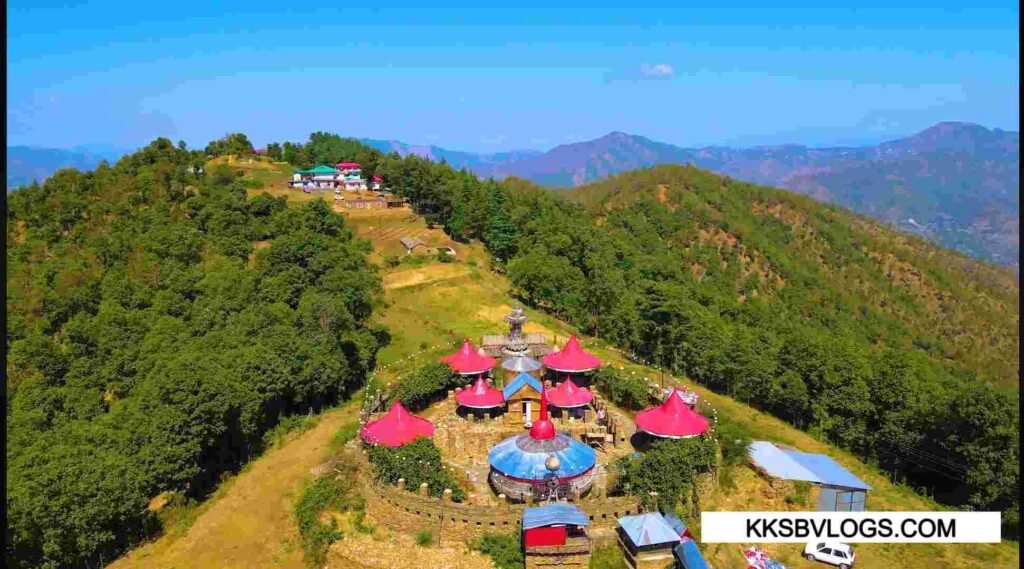
Stone Kumbh Shiv Temple is located near the Chail region, in a relatively calm and less-commercialised area of Solan district. Chail itself is known for its greenery and quiet hill-station vibe, and this temple deepens that very vibe.
The importance of this location is not just geographical, but experiential. Here:
- there is no traffic noise
- there is no pressure from tourist stalls
- and the surroundings have been allowed to remain natural
The road can be slightly narrow, but the drive is manageable. This is also one of the reasons why only those people come here who arrive with intent — not for random sightseeing. And perhaps this is why the environment of the temple still feels authentic today.
Origin of Stone Kumbh Shiv Temple – How This Place Came Into Existence
The story of Stone Kumbh Shiv Temple does not begin with any ancient scripture. Its beginning dates back to around the 1980s, with a simple idea — to create a museum and art space.
Initially, the intention of this place was to display handmade art, driftwood creations, and creative sculptures. Gradually, as the work progressed, the space did not remain limited to art alone. From there, a spiritual dimension began to develop.
The most interesting part of this origin story is that there was no “master plan” that was clear from day one. This place evolved over time — just as the creator’s thinking, experience, and beliefs evolved.
That is why Stone Kumbh Shiv Temple is not a sudden creation, but the result of a decades-long process.
The Man Behind Stone Kumbh Shiv Temple – A Dream That Turned Into Stone
The name that comes up behind this temple is Shri Satya Bhushan Chauhan Ji. His story cannot be separated from this place.
He started this project:
- not with government funding
- not under any religious trust
- but with his own personal earnings and effort
His approach was not based on fast construction or commercial success. He kept things slow, handmade, and detail-oriented. That is why the stone structures, caves, and sculptures you see here are not built with perfect symmetry, but with human imperfections.
His journey shows that while many people dream, only a few have the willpower to live with those dreams for decades. Stone Kumbh Shiv Temple is the physical form of that willpower.
History of Stone Kumbh Shiv Temple – What Is Known, What Is Believed
To understand the history of Stone Kumbh Shiv Temple, it is important to accept one thing first — this is not a traditional “ancient history” temple. It is not associated with any royal dynasty, nor does it have inscriptions or archaeological records.
The known facts tell us that:
- the temple’s construction began in the modern era
- its foundation is based on an individual vision
- it is a long-term, evolving project
Along with this, there are some beliefs and personal experiences connected to it, which the creator himself has shared. Such as recurring dreams, or certain moments he experienced as spiritual signs. But one important clarity is necessary here — these are beliefs, not documented history.
The purpose of this blog is not to mix the two, but to clearly separate them. For history-focused readers, this honesty creates the most value.
Why It Is Called “Stone Kumbh Shiv Temple” – Meaning and Symbolism
The name of this temple is not random. Every word in “Stone Kumbh Shiv Temple” carries a context.
Stone
Because the entire structure is stone-based. You will not find smooth marble or glossy finishes here. Raw texture, weight, and a natural feel have been intentionally preserved.
Kumbh
Here, kumbh does not refer to any fair or calendar event. Kumbh is seen as a symbolic vessel — representing sadhna, continuity, and an inner journey. This concept aligns with the overall spiritual intent of the temple.
Shiv
The temple focuses on Shiva’s meditative and detached form, not just on ritual and display. That is why devotion here feels more personal and silent.
The name itself makes it clear that this place is based on symbolism and process, not just structure.
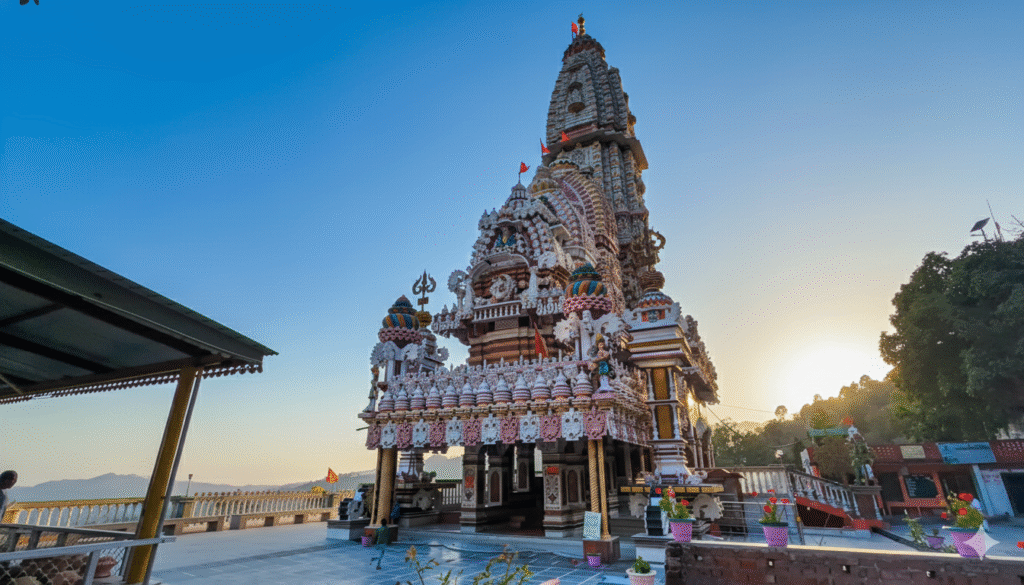
Architecture of Stone Kumbh Shiv Temple – Stone Construction and Handmade Design
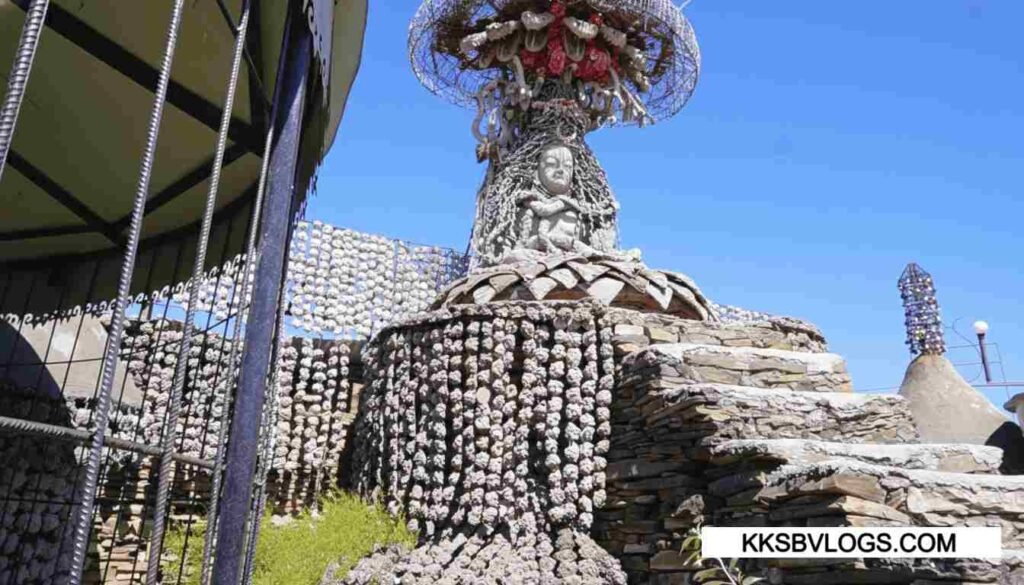
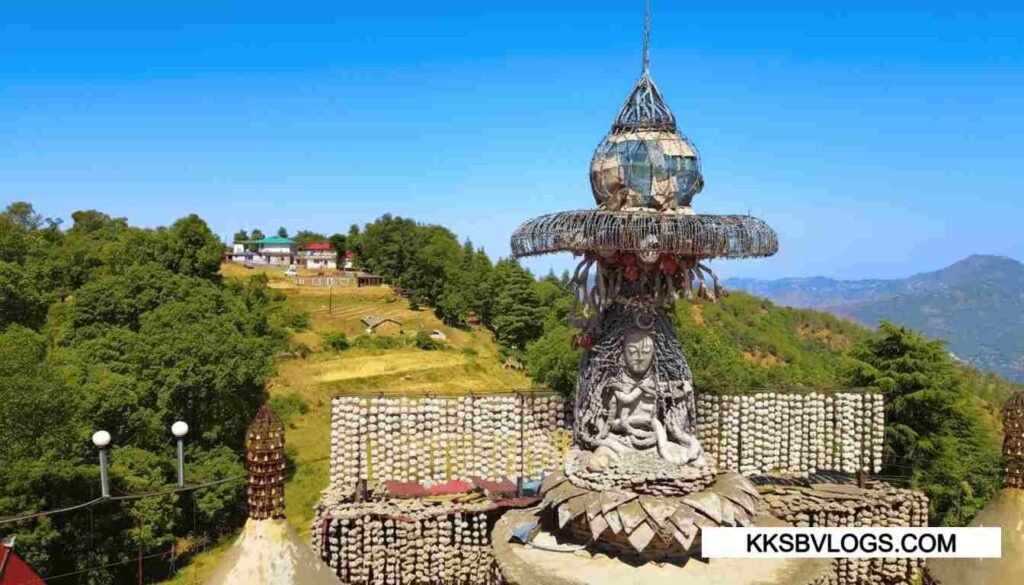
If you look at architecture only from a “design” perspective, Stone Kumbh Shiv Temple may feel unusual. The symmetry here is not textbook-perfect, and perhaps that is intentional.
In the temple’s architecture, you will notice:
- uneven stone placement
- handmade pillars and steps
- use of cement only for structural support
This place does not feel like a modern contractor’s project. It feels more like a slow, hands-on creation. Every stone appears to have been placed thoughtfully.
This is why many people assume it is ancient at first glance. But in reality, this architecture does not pretend to be ancient — it shows the story of being built over time.
Cave Structures Inside Stone Kumbh Shiv Temple – Walking Through Veerbhadra Cave
pasted
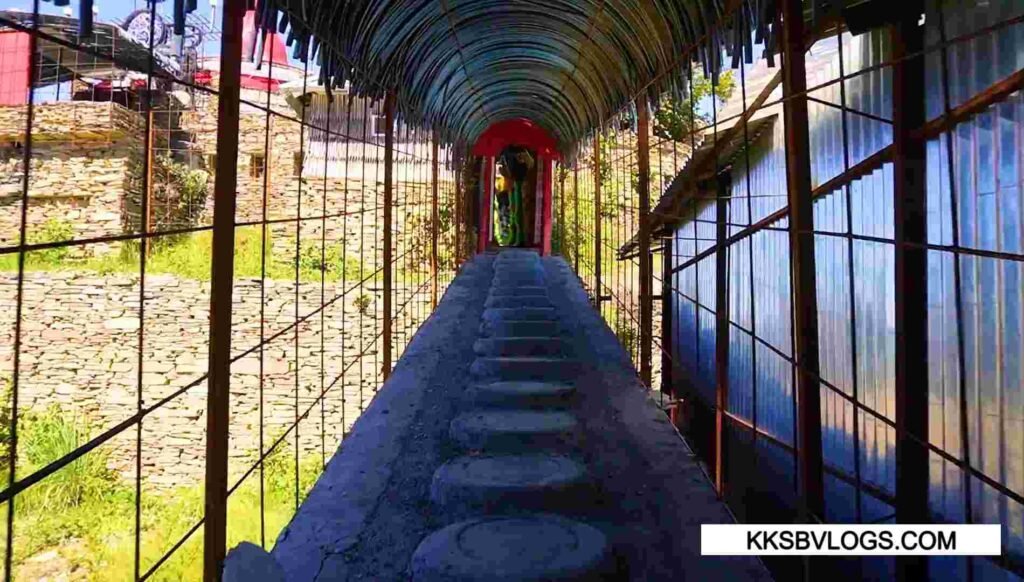
One of the most intense and memorable parts of Stone Kumbh Shiv Temple is its cave system, among which Veerbhadra Cave is the most discussed.
As soon as you enter this cave:
- the space becomes narrow
- the light reduces
- and movement naturally slows down
This is not a naturally formed cave. It has been completely built by placing stone blocks one over another. Walking inside it is not just a physical experience, but feels like a mental pause.
Some people may feel claustrophobic here, which is why this section is not meant for every visitor. But for those who know how to slow down and feel an experience, this cave becomes the most powerful part of the temple.
Sculptures, Stone Art and Shiva Imagery Inside the Temple Complex
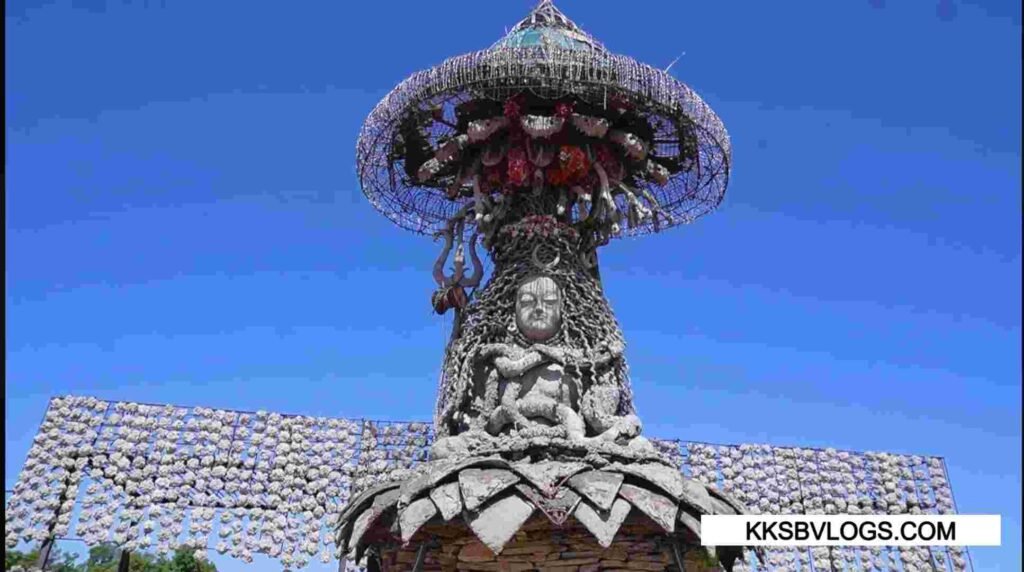
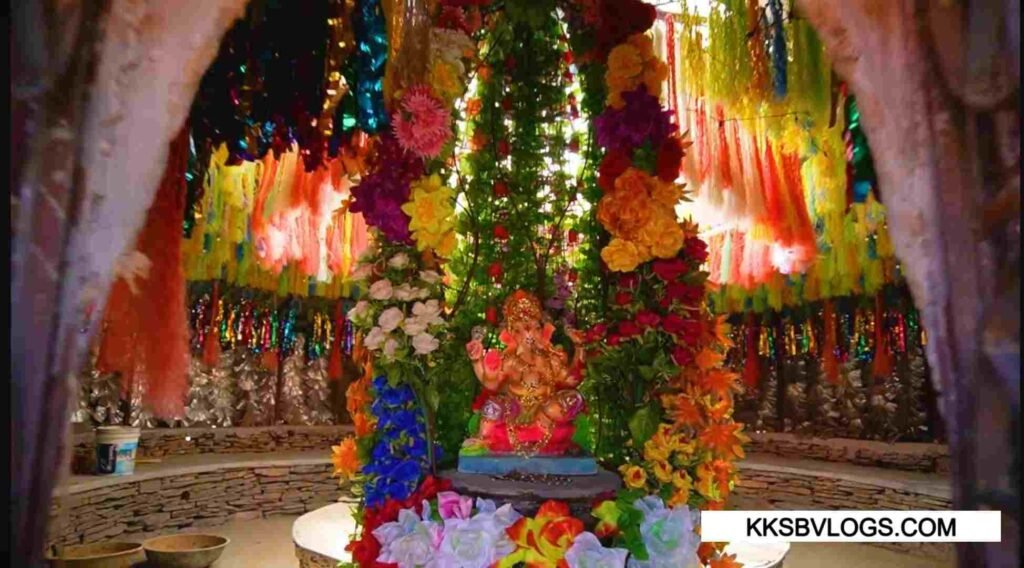
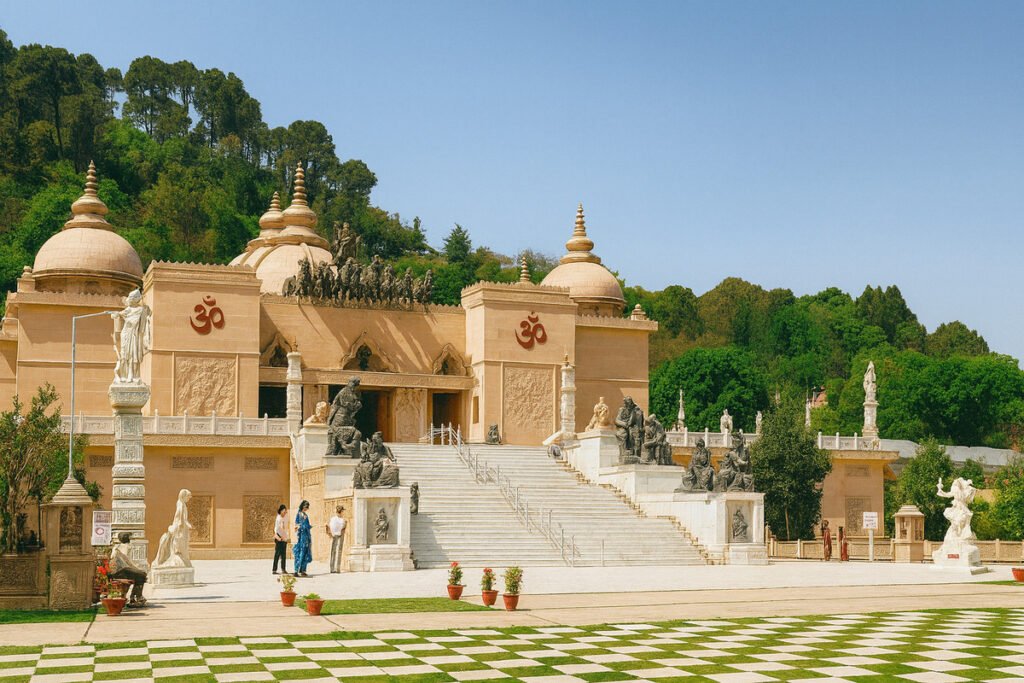
Inside and around the temple, you will find many elements that do not look mass-produced. Shiva lingams, Shiva family sculptures, and symbolic shapes — everything feels slightly imperfect, slightly raw, and very human.
Here:
- no two statues look identical
- every sculpture carries its own personality
- stone art feels more expressive and less decorative
All these elements clearly communicate one thing — the focus of this temple is not showmanship, but expression. For people who see art and culture beyond surface level, this section becomes deeply engaging.
Beliefs, Dreams and Personal Experiences Associated With the Temple
There are certain aspects connected with Stone Kumbh Shiv Temple that do not fall into the category of history, but definitely form part of the human story. The creator himself has shared that his journey was not limited only to physical construction, but was also shaped by personal spiritual experiences.
According to him, he repeatedly had dreams where Shiva appeared in a meditative state. These dreams were not a one-time occurrence, but happened repeatedly over time. After these experiences, he slowly began transforming his original museum-style idea into a spiritual space.
One thing must be kept clear here — these beliefs and experiences are personal. They cannot be seen as scientific proof or historical evidence. But when documenting a place, ignoring the human element would also be incorrect. That is why these experiences are mentioned here without exaggeration.
The Snake Incident – A Moment That Strengthened Belief (Personal Experience)
During the construction phase, an incident is often mentioned where a large snake was seen near the Shiva lingam. For the creator, this moment was emotionally strong and impactful. For him, it felt like a sign that the work he was doing carried a deeper spiritual significance.
From a historical perspective, this could simply be a natural occurrence. In hilly and forested regions, encountering snakes is not uncommon. But from the perspective of human psychology and belief, such moments often strengthen a person’s decisions.
This incident is important to mention because it shows how personal belief and lived experience shape the narrative of a place — without turning it into a miracle story.
Stone Kumbh Shiv Temple as a Living Heritage, Not a Finished Monument
Most temples and heritage sites are seen as “completed structures.” Stone Kumbh Shiv Temple challenges this idea.
This temple:
- is still under construction
- will have new sections added in the future
- and the creator’s vision continues to evolve
That is why it is not a static monument, but a living heritage. For history students and serious travellers, this is a rare experience — because here, you do not just see heritage, you observe it while it is being formed.
In this process, continuity is valued more than perfection. And perhaps this is why the place feels so authentic.
Stone Kumbh Shiv Temple, Chail – Complete Travel Guide
Now let us move to the practical side, because any meaningful place can be truly enjoyed only when you visit it prepared.
How to Reach
- First, reach Solan or Chail
- From there, local roads lead towards the temple
- The last stretch may be slightly narrow, but the drive is manageable
For those using public transport, the best option is to first reach Solan and then take a local taxi or seek local guidance.
Best Time to Visit
- March to June: pleasant weather and clear surroundings
- September to November: greenery and fresh air
- Morning or late afternoon is the most peaceful time
Extra caution is advised during the monsoon season, as stone paths can become slippery.
Time Required
To calmly explore the temple, caves, and surroundings, 1.5 to 2 hours is usually sufficient.
What Kind of Travellers Will Truly Enjoy This Place
Stone Kumbh Shiv Temple is not meant for every type of traveller — and that is not a negative thing.
This place is perfect if you:
- enjoy slow travel
- have interest in history and human stories
- value silence and reflection
This place may not suit you if you:
- plan picnic-style or loud group visits
- travel only for reels and quick photos
- follow rushed itineraries
This temple becomes meaningful only if you know how to pause.
Responsible Tourism Guidelines for Visiting Stone Kumbh Shiv Temple
Places like Stone Kumbh Shiv Temple face a major challenge — as awareness grows, their original character comes under threat. That is why visitors are not just observers here, but also caretakers.
While visiting, keep these points in mind:
- Maintain silence inside the temple and caves
- Avoid loud music, shouting, or unnecessary noise
- Do not leave any garbage — take back whatever you bring
- Do not touch, damage, or write on stone structures
- Do not treat this place as a picnic or entertainment spot
This temple was not designed as a tourist attraction. It is the result of a personal vision and decades of effort, and it deserves respect from those who understand its value.
Is Stone Kumbh Shiv Temple Right for Every Traveller?
Not every place is meant for everyone — and Stone Kumbh Shiv Temple is a clear example of this.
You will enjoy this place if:
- you believe in slow and mindful travel
- you are interested in human stories along with history
- you value silence and reflection
- you are drawn to offbeat and unexplored places
This place may not be ideal for you if:
- you travel only for quick photos or reels
- you prefer loud groups or picnic-style outings
- you expect facilities and comfort everywhere
The experience here depends entirely on pace and intention.
Nearby Attractions to Explore Around Stone Kumbh Shiv Temple, Chail
Kandaghat
Kandaghat ek chhota aur shaant hill town hai jahan se zyada tar log Chail ki taraf aage badhte hain. Yahan koi badi attraction nahi hai, lekin road journey ke beech thoda slow hone aur surroundings feel karne ke liye ye jagah kaafi theek lagti hai.
Chail Palace
Chail Palace Chail ke royal past ki ek simple si jhalak deta hai. Palace se zyada uski location aur aas-paas ka forest area logon ko attract karta hai, isliye yahan short visit hi kaafi hota hai.
Kali Tibba Temple
Kali Tibba Temple ek hilltop par sthit hai jahan log zyada tar shanti aur khule views ke liye aate hain. Yahan koi rush ya activity nahi hoti, bas thoda ruk kar baithne aur surroundings ko dekhne ka mauka milta hai.
Thada Muda Temple
Thada Muda Temple ek chhota sa local mandir hai jise zyada tar tourists ignore kar dete hain. Ye jagah simple, quiet aur natural surroundings ke beech hai, aur mostly nearby gaon ke log hi yahan aate hain.
Explore Chail
Chail ko explore karne ka best tareeka ye hai ki aap kisi checklist ke peeche na bhago. Forest walks, khaali roads, kam-bheed wale viewpoints aur nearby villages hi Chail ka asli experience dikhate hain.
Plan your visit to Stone Kumbh Shiv Temple and explore Chail beyond the usual tourist spots.
You can also watch updated visuals and on-ground experience on our YouTube and Instagram handles.
Photos and Location Of Stone Kumbh Shiv Temple, Chail
Photos of Stone Temple Chail
Location Of Stone Shiv Temple Chail
FAQs – Stone Kumbh Shiv Temple, Chail
Stone Kumbh Shiv Temple, Chail kahan hai?
Stone Kumbh Shiv Temple, Chail ke paas Solan district side mein located hai. Ye main Chail market se thoda alag area mein hai, isliye yahan tourist rush kam rehta hai.
Kya Stone Kumbh Shiv Temple koi ancient ya historical mandir hai?
Nahi, Stone Kumbh Shiv Temple koi ancient archaeological mandir nahi hai. Ye modern time mein bana hai, lekin stone construction ki wajah se log ise purana mandir samajh lete hain.
Stone Kumbh Shiv Temple kisne banaya hai?
Is mandir ko Shri Satya Bhushan Chauhan Ji ne banaya hai. Ye unka personal vision aur mehnat ka result hai, na ki kisi trust ya government project ka.
Stone Kumbh Shiv Temple ke naam mein “Kumbh” ka kya matlab hai?
Yahan “Kumbh” ka matlab koi mela ya event nahi hai. Ye ek symbolic shabd hai jo sadhna, dhyaan aur inner journey ko represent karta hai, isliye mandir ke naam mein use kiya gaya hai.
Kya Stone Kumbh Shiv Temple ke andar cave ya gufa hai?
Haan, Stone Kumbh Shiv Temple complex ke andar stone se bani hui caves hain. Sabse known cave Veerbhadra Cave hai, jo thodi narrow hai aur dhyaan se explore karni padti hai.
Stone Kumbh Shiv Temple ghoomne ka best time kaunsa hai?
Stone Kumbh Shiv Temple visit karne ka best time March se June aur September se November maana jaata hai. Subah ya shaam ka time zyada shaant hota hai.
Kya Stone Kumbh Shiv Temple family ke saath visit kar sakte hain?
Haan, Stone Kumbh Shiv Temple family ke saath visit kiya ja sakta hai. Bas caves ke andar jaate waqt bachchon aur elders ke liye thoda caution rakhna chahiye.
Stone Kumbh Shiv Temple kis type ke travellers ke liye best hai?
Stone Kumbh Shiv Temple un travellers ke liye best hai jo offbeat places near Chail, stone temples in Himachal Pradesh aur shanti wali jagah explore karna chahte hain.
this is really good temple… thank you for sharing detailed knowledge of this temple