1. Introduction | Where the road ends… and another world begins Chitkul Village
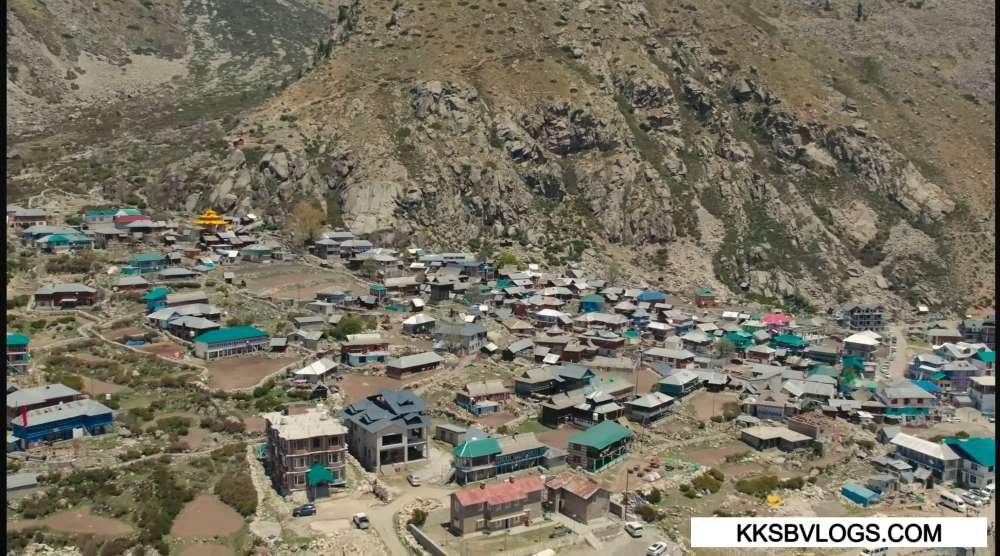
At the last edge of Baspa Valley, where the road slowly disappears between the mountains… from there begins Chhitkul Village. A village which is often called “India’s last village.”
But if you ask the truth, Chhitkul is not just the “last village of India.”
It is a place where nature, culture, weather and borders all together create a completely different world. When you reach here, the first thing you feel is silence. No city noise, no traffic, no crowd… only the sound of flowing Baspa River, cold air and snow-covered mountains standing far away.
The air here truly feels different — light, clean, and a little sharp.
Maybe that’s why many people also call it the most peaceful and clean air destination of Himachal Pradesh & India as well as. (although this claim is related to district-level study, not limited to just one village).
Who should come here?
If you are a nature lover. If you like offbeat travel. If you don’t just want photos, but want to feel a place. Then Chhitkul Village is made for you.
2. History and Facts | The history of Chhitkul – as much known, as much mysterious
The most interesting thing about Chhitkul is that there is no one “exact founding date” found. Meaning this is not a village that was built by one king and whose story ends in one line. Its story is a bit complex… and that’s what makes it special.
Part of an old trade route
Chhitkul was not just a village —
it was an important part of the Hindustan–Tibet trade route.
Through Baspa Valley: Wool, salt, borax from Tibet and grains, clothes from India were exchanged.
The entire region was influenced by Bushahr State, and Chhitkul was also part of that cultural network.
Mathi Devi — the soul of the village
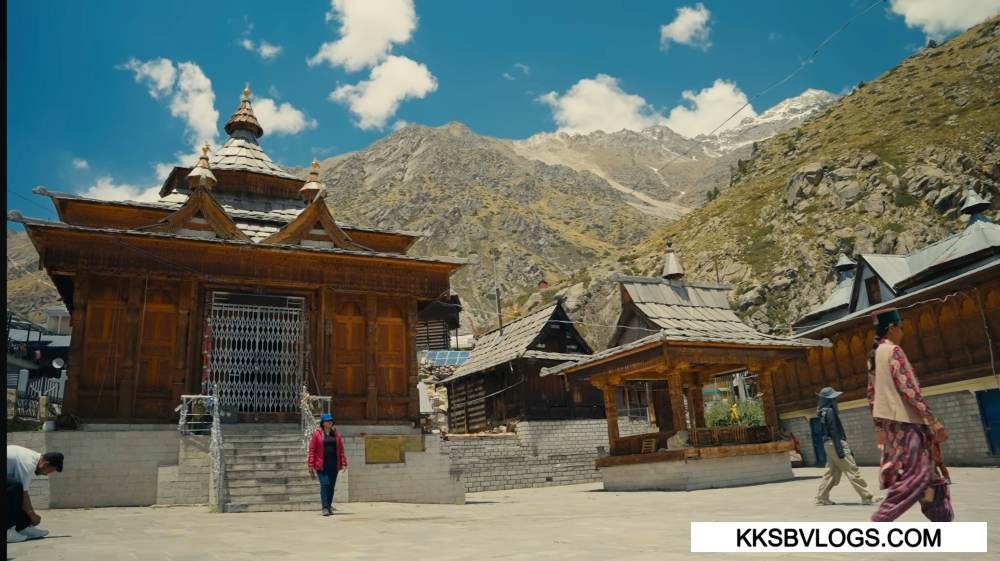
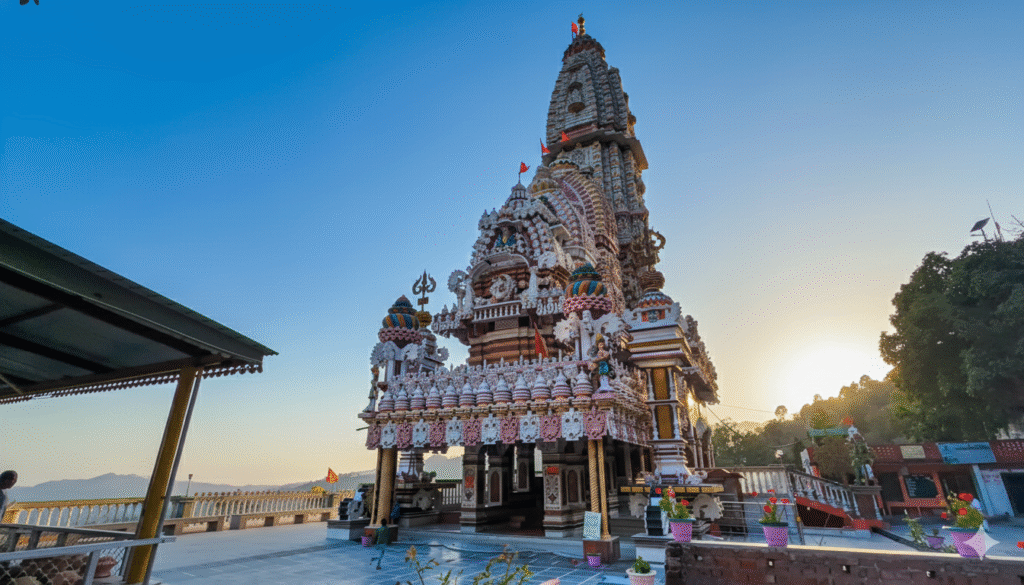
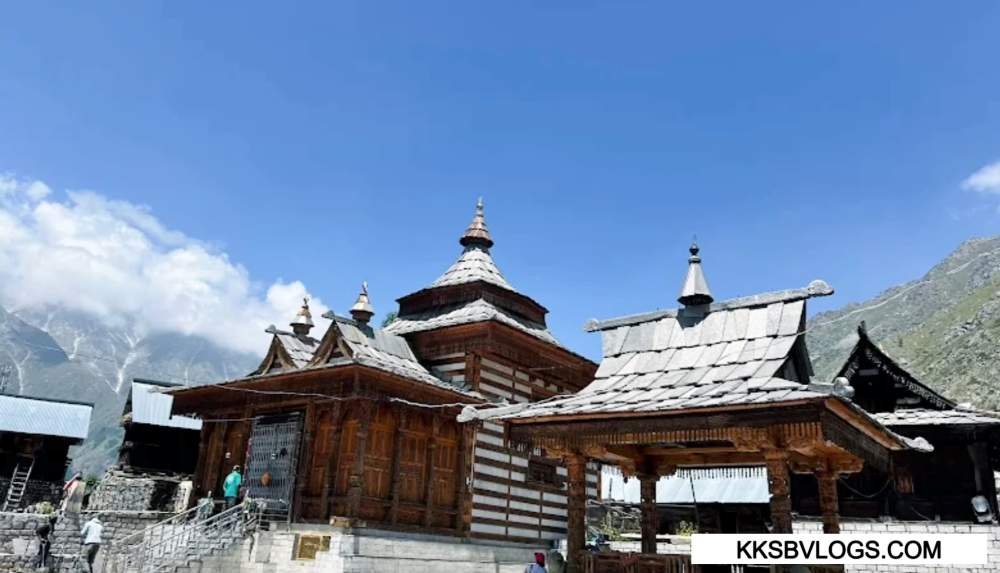
The most important religious center of Chhitkul is — Mathi Devi Temple.
Here:
There are three temples of the goddess in Kamru, Sangla And in chitkul.
The main temple is considered around 500 years old (not exact, but according to tradition)
The palanquin of the goddess is made of walnut wood, with a bunch of yak tail attached. This is not just a temple… it is the center of the social and spiritual system of the village.
Religion works differently here in Chitkul Village
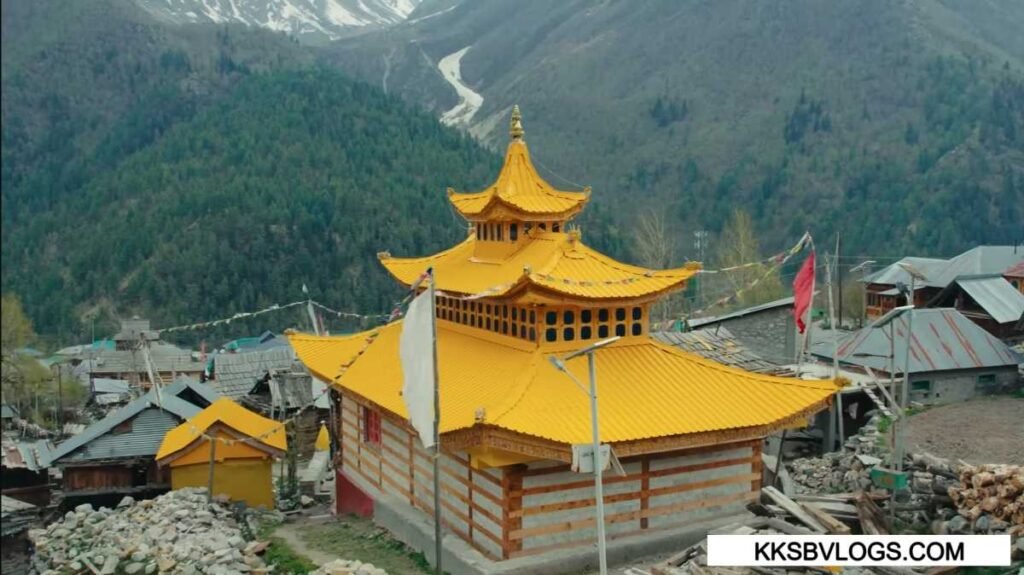
In Chhitkul, you will not find only Hindu temples —
Buddhist influence is also present here.
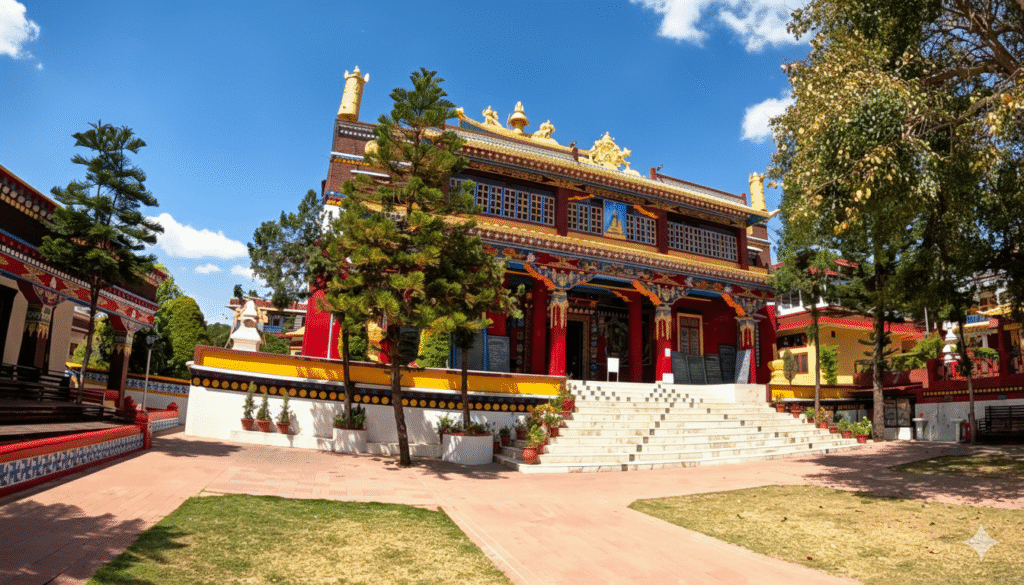
- Kagyupa Temple (Buddhist tradition)
- Local devta system
- Nature-based beliefs
All these together create a religious mix (syncretism).
Meaning — religion here is not “either this or that”…
but “everything together.”
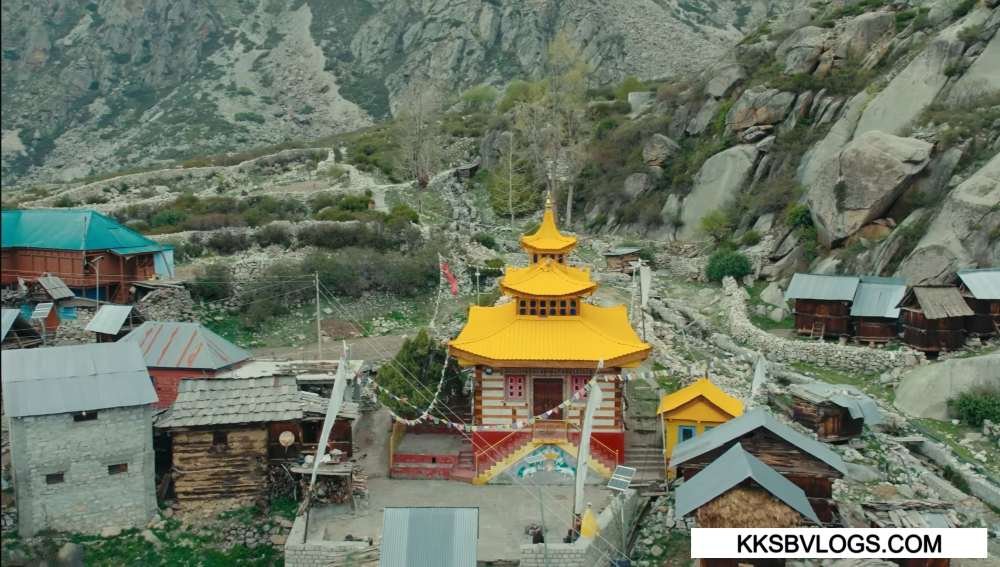
One more big fact (which very few people know)
Chhitkul is not just a tourist spot…
it is also a language hotspot. The language spoken here — Chhitkuli
is slowly disappearing. And honestly… bigger than being “India’s last village”
is the story of “a disappearing language.”
3. Architecture & Spiritual Significance of Chitkul Village.
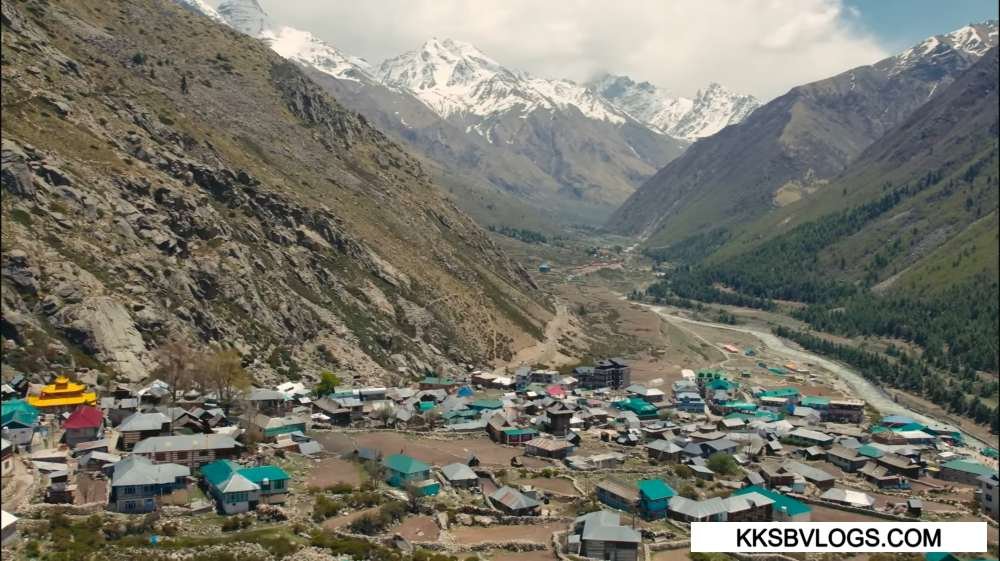
The identity of Chhitkul is not just from its views… it is formed from its architecture and spirituality.
Traditional construction style
Houses and temples here:
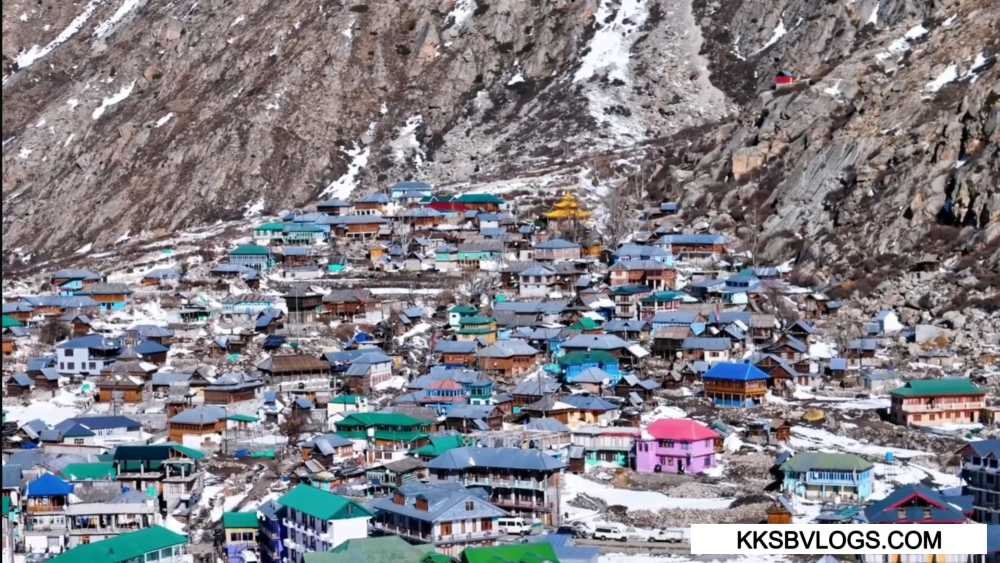
are made of wood and stone thick walls (for protection from cold) sloped roofs (for snow)
This technique is broadly linked to kath-kuni style. This architecture is not just beautiful… it is a method of survival.
Temple Architecture
Mathi Devi Temple and other temples:
Are built in tower-style structure show wood carving and local craftsmanship are important from both religious and architectural perspective.
Here temples are not just places of worship… they are also community centers.
Spiritual System (which is different)
In Chhitkul:
Gods do not live only in temples
but are part of decisions, festivals and daily life
There is a system here:
- Grokch (oracle)
- Kardaar (management role)
- Pujari (priest)
👉 Meaning religion here is a functional system, not just belief.
4. Things to Do at Chhitkul Village | Don’t just visit… feel it
If you are thinking what to do in Chhitkul…
then the answer is — more than doing, there are things to live here.
1. Walk along Baspa River
The most simple, but most powerful experience.
Walking along Baspa River, feeling cold air, and just sitting and watching mountains…
👉 this is the real Chhitkul experience.
2. Visit Mathi Devi Temple
The spiritual center of the village.
Here you can: Understand local beliefs see traditional rituals and feel village culture
3. Last Dhaba of India experience
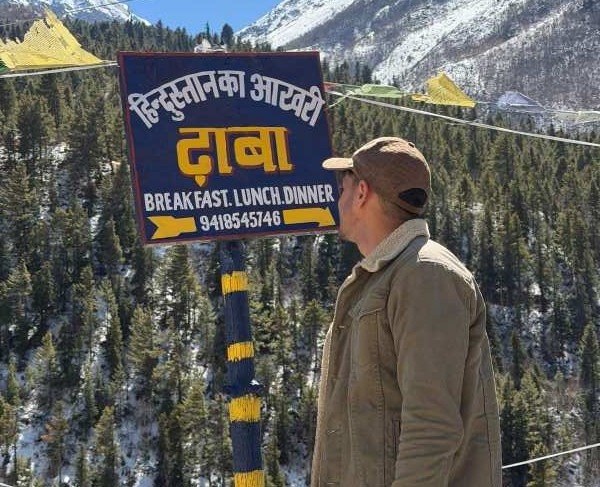
There is a famous concept in Chhitkul:
👉 “India ka last dhaba”
Here: drinking chai, eating maggi and watching the valley in front. this is a simple but memorable experience.
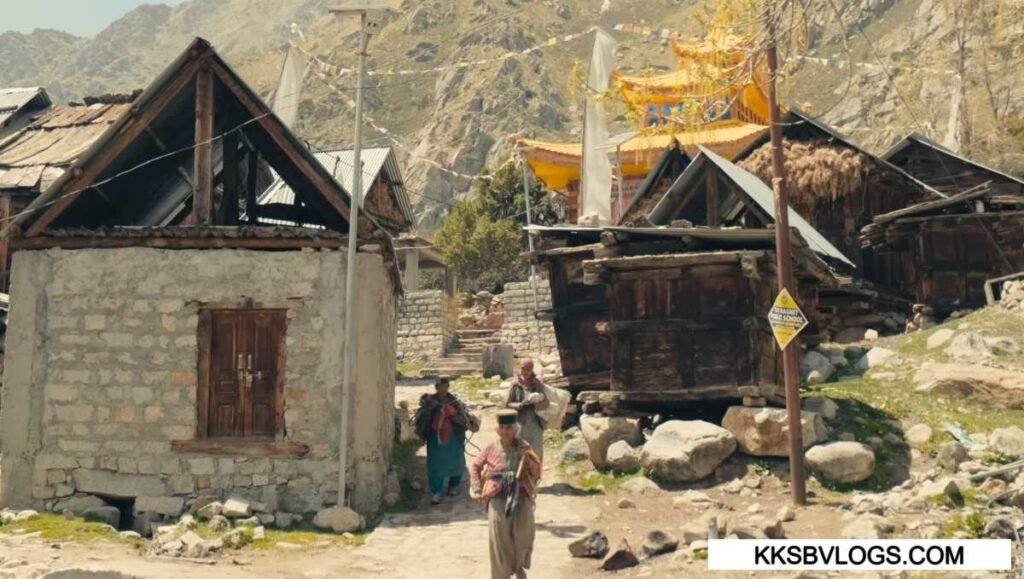
4. Local village walk
Walk inside the village. You will notice: traditional houses local lifestyle slow-paced life.
Nobody rushes here… and that is its beauty.
5. Photography & Cinematic Shots
If you are a content creator like you,
then this place is a goldmine:
wide valley shots, wooden architecture, river + mountains combo, sunrise/sunset every frame looks cinematic.
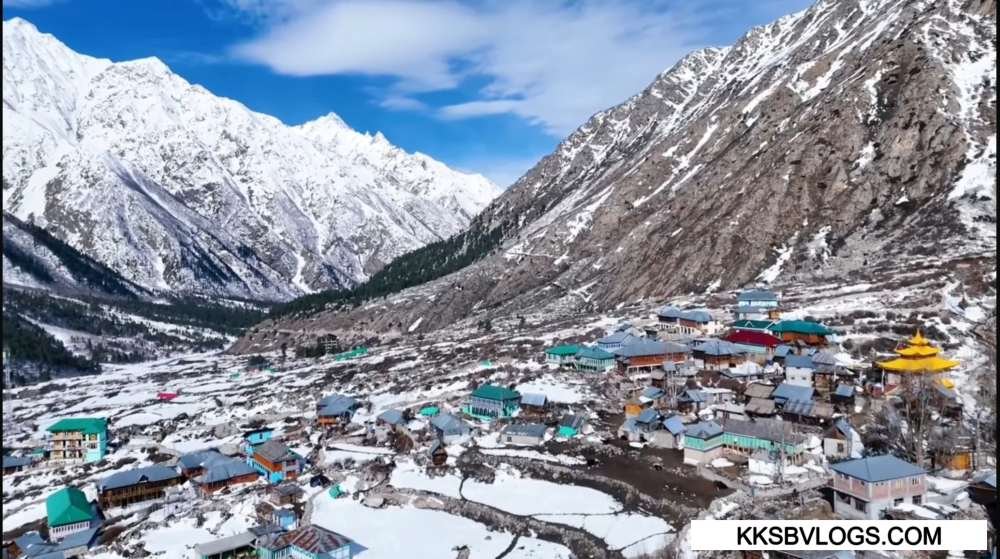
6. Snow Experience (Winter)
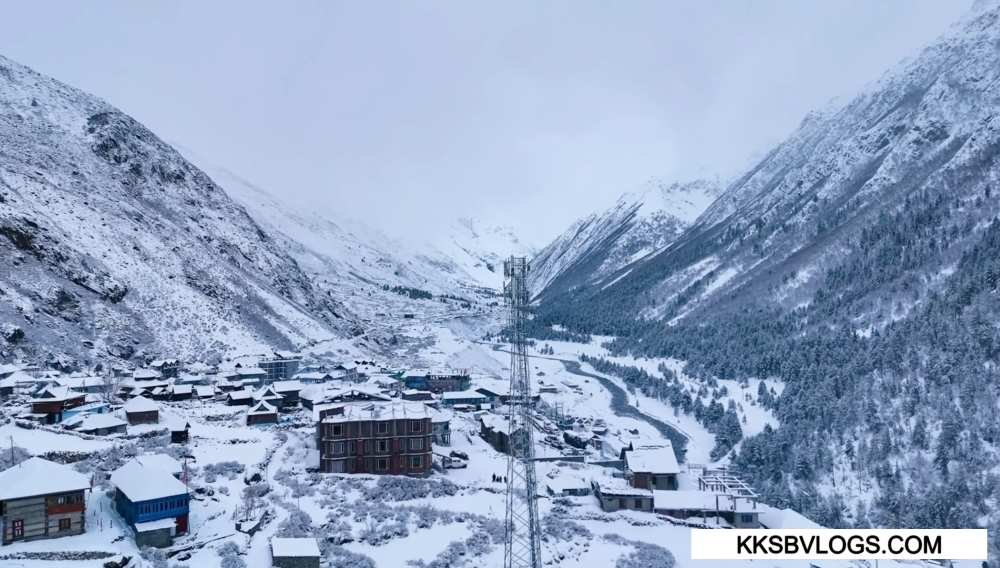
If you go in winter: the whole village gets covered in snow roads may get blocked and life slows down
5. Festivals & Celebrations | When Chhitkul becomes not just a village, but a living culture
The real identity of Chhitkul is not just from its mountains or river… but from its festivals and collective life. The festivals here are not just “celebrations” they are a system where deity, society and tradition move together.
1. Deity-based festivals (Local Deity Festivals)
In Chhitkul and entire Kinnaur, deities are not just for worship… they are part of village decisions and life.
During festivals:
The palanquin (ark) of deities is taken out Through Grokch (oracle), divine messages are given The whole village participates together
2. Phaguli and other traditional festivals
Festivals celebrated in Kinnaur region like:
Phaguli (Phagul Festival) Seasonal rituals Agricultural celebrations
These are directly connected with weather and farming. Here festivals are not decided by calendar… nature decides.
3. Folk dance and music of Chitkul village
When there is a big festival,
you can see traditional Kinnauri dance and music.
People wear traditional dress (Dohru, Thepang cap) Group dance happens & Live instruments are played
👉 this is not just performance…
👉 it is the expression of Kinnaur’s identity.
6. How to Reach Chhitkul | Journey is as beautiful as it is challenging
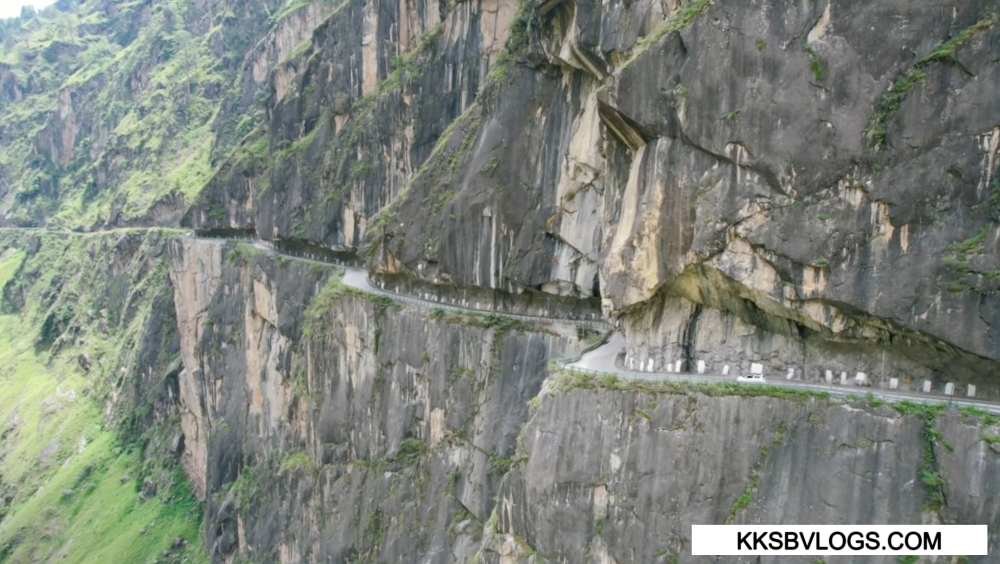
Reaching Chhitkul is not easy – and maybe that is its beauty.
By Air (Air Route)
Nearest airport:
👉 Shimla Airport (~247 km)
From here:
Taxi needs to be hired
Direct connectivity is limited
By Train (Rail Route)
Nearest railway station:
👉 Shimla Railway Station (~245 km)
From Shimla:
You have to go ahead by taxi or bus
By Road (Most practical option)
The best way to reach Chhitkul is road travel.
Route:
Delhi → Shimla → Rampur → Reckong Peo → Sangla → Chhitkul
Local Transport
HRTC buses are available (limited frequency)
Private taxis are also a best option
Reality Check (Important)
Roads can be narrow and risky
Landslides and weather delays are common
👉 So this trip is not an “easy tourist trip”…
👉 it is a real mountain journey.
Do’s & Don’ts + Mistakes to Avoid | Don’t make these mistakes while going to Chhitkul
✅ Do’s (What you should do)
Slow travel karo: Chhitkul is not a “tick-mark destination.” Give some time, walk, sit near the river… only then you will feel it.
Local culture respect karo: People here are simple and grounded. Follow rules while visiting temples and avoid unnecessary loud behavior.
Cash carry karo: Network and online payment are unreliable. If you carry cash, there will be no unnecessary tension.
Weather check karke niklo: In mountains, plans are never fixed. Always check weather and road condition before leaving.
Light but warm packing: Even in summer, it can feel cold, especially in morning and evening. Keep a jacket.
❌ Don’ts (What you should not do)
Over-speeding bilkul mat karo: Roads are narrow and turns are sharp. Even a little carelessness can create problems.
Littering mat karo: This is the most common and worst mistake. Leaving plastic or waste here means damaging nature.
Restricted areas me mat jao: It is a border area, some places are not allowed. No need to take risk.
Over-planning mat karo: Experience here comes in flow. No need to schedule everything.
Altitude ko ignore mat karo: If your body is tired or you have headache, do not ignore it.
Visitor Information & Experience | Chhitkul Travel Guide (Real Experience Based)
It is often said that in Chhitkul Village, Himachal Pradesh you feel the most fresh and clean air in India. This claim became popular from an old district-level study and media reports, which is why people see Chhitkul as a pure and untouched Himalayan destination. And honestly, when you reach here… you truly feel that freshness in the air.
If you are planning Chhitkul travel, then some practical information and real experience will definitely help you. Our stay at night was in Karcham, which comes around 13 km before Chhitkul. Next morning we started our travel early, because early travel in mountains is always safe.
The route from Karcham to Chhitkul is short, but at some places the road is narrow and uneven. If you are driving yourself, then careful and slow driving is important. But as you move ahead, the Himalayan views, deep valleys and bridges that you get to see, that experience is something you will remember for a lifetime. That is why Chhitkul is also called the best scenic drive in Himachal.
As soon as we reached Chhitkul, we directly moved ahead towards the last point / border side. This is the place which people call “India ka last village point.” We took photos there, but one important thing — this is an ITBP (Indo-Tibetan Border Police) area, so in restricted zones photography should be completely avoided. It is important to follow this rule.
After that we explored the proper Chhitkul village. First we went to Mathi Devi Temple, which is the main spiritual center here. The atmosphere there was very peaceful. After that we also visited the nearby monastery (Kagyupa Temple), where you can feel the unique religious mix of Chhitkul — where Hindu and Buddhist culture exist together.
During the village walk, we also talked to local people. This experience was very real and different, because people here are simple and grounded. We also tried the local food there, which was basic but very satisfying. And yes, we also saw the famous concept —
👉 “Last Dhaba of India”
which is a popular tourist point of Chhitkul.
Overall, if I explain my experience in short, then Chhitkul did not feel just like a tourist place…
👉 it was a complete experience — travel, culture, nature and reality mix.
10. Nearby Attractions | What to explore around Chhitkul
If you have come to Chhitkul, then exploring nearby places is a must. All these locations can be easily covered:
Sangla Valley
Beautiful valley with riverside views, apple orchards and peaceful stay options. This valley is so beautiful that no matter which season you come, its beauty does not reduce.
Rakchham Village
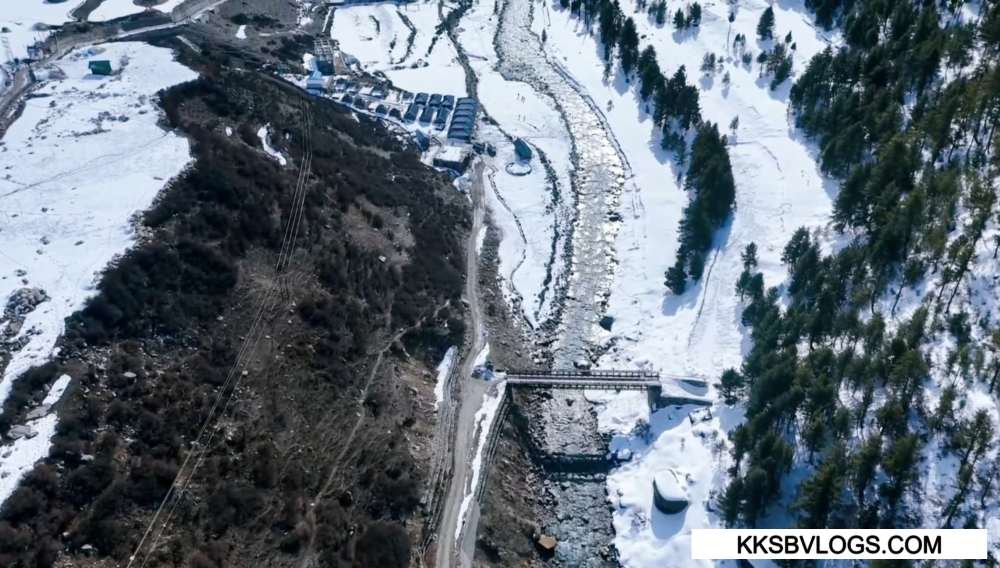
A hidden gem between Chhitkul and Sangla where you get untouched Himalayan beauty. Our stay was here and we stayed here for 3 days at Hotel RUPIN RIVER RAKCHAM and the experience here was very good.
Kamru Fort
A historical fort related to Bushahr kingdom and holds cultural significance. Here the king had to come within 6 months after coronation otherwise it was considered inauspicious. 121 kings were coronated here.
Batseri Village
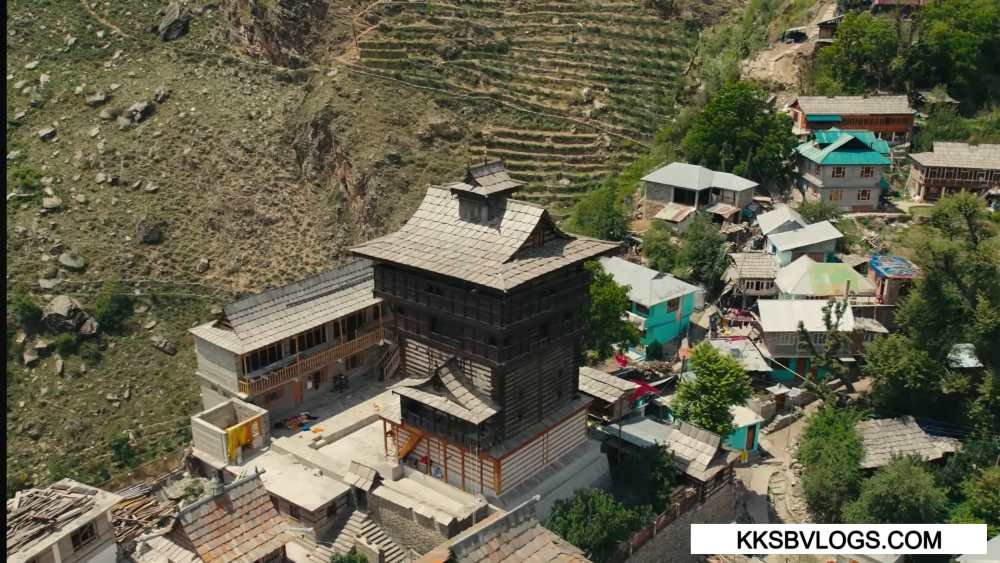
Traditional Kinnauri village with wooden houses and authentic local lifestyle.
👉 All these together make your Chhitkul travel experience more complete. This village looks so beautiful from the road itself that what to say… here you can go and sit somewhere near the riverside in peace and explore the village.
11. Chhitkul Village Location, Photos & Videos
If you are planning to visit Chhitkul, then these resources will help you:
📍 Location: Kinnaur District, Himachal Pradesh
YouTube: A new travel video is coming very soon—stay tuned for the full Shimla vlog on KKSB Vlogs
Instagram: Follow @official_kksb for the latest visuals, hidden places, and fresh updates before the video drops
👉 On Google Maps simply search:
“Chhitkul Village Himachal Pradesh”
Is Chhitkul really the last village of India?
People generally call it “India’s last village” because on the Hindustan–Tibet route it is considered the last inhabited village. Technically there are other border villages too, but Chhitkul has become the most famous.
What is the best time to visit Chhitkul?
If you want comfortable travel then May–June or September will be best. In winters there is snowfall, but travel becomes a bit unpredictable.
How is the road from Karcham to Chhitkul?
Distance is not much (around 40 km), but the road at some places is narrow and slightly rough. While driving, patience and focus are required.
Does network and online payment work in Chhitkul?
Honestly, network comes sometimes and sometimes not. Online payment does not work everywhere, so carrying cash is safe.
What is worth seeing in Chhitkul?
Mathi Devi Temple, Baspa River views, village walk and “Last Dhaba of India” — these are the main highlights. Rest the real fun is in feeling the atmosphere.
Is Chhitkul safe for solo or family trip?
Yes, generally it is safe. Just take care of mountain roads and weather, rest people are friendly and helpful.
Can we go till the border area?
Yes, you can go till a last point, but after that there is restricted ITBP area. It is important to follow rules there, especially avoid photography.
Why has Chhitkul become so popular?
The reason is simple — natural beauty, feeling of fresh air, and the tag of “last village.” Social media has also boosted it a lot.