Chilgoza Pine in Himachal Pradesh: Kinnaur’s Expensive but Priceless Treasure
While traveling in the Himalayas, people often talk about deodar trees, snow, and apple orchards… but in the hills of Kinnaur, there is one more thing that most people have only heard about — Chilgoza.
The first time someone comes to know its price — above ₹2000 per kilogram — it is natural to question it. Is it just a dry fruit, or is there some other story behind it?
The truth is that Chilgoza is not just something to eat. It is a part connected to the land, weather, and hard work of the people of that region, and without understanding that, it is difficult to understand its value.
What is Chilgoza Pine? (Pinus gerardiana)
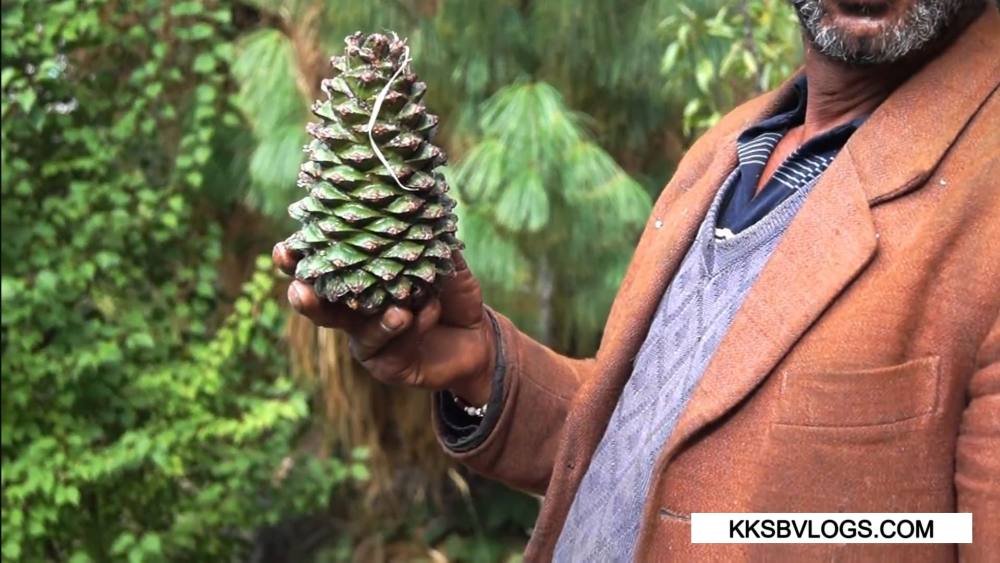
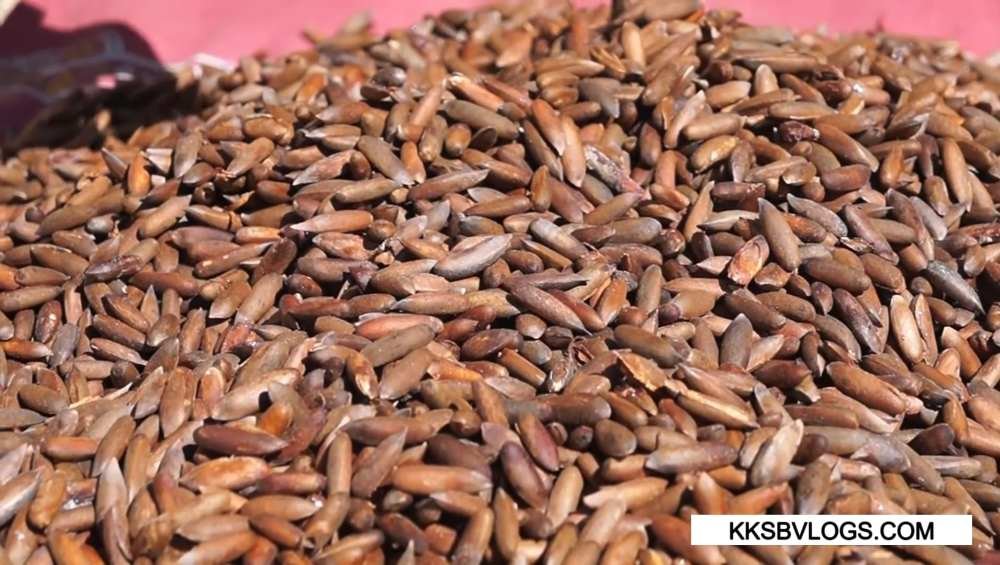
In simple words, Chilgoza is the seed of a tree. The tree from which it comes is called Pinus gerardiana — a pine tree that is not seen in common forests.
People often call it a “nut,” but in reality, it is a seed hidden inside a cone. Until the cone opens, you will not even see the seed.
This tree does not grow in ordinary places. On dry, rocky slopes, where there is less water and the soil is not very fertile — it creates its place there. That is why it cannot be seen everywhere.
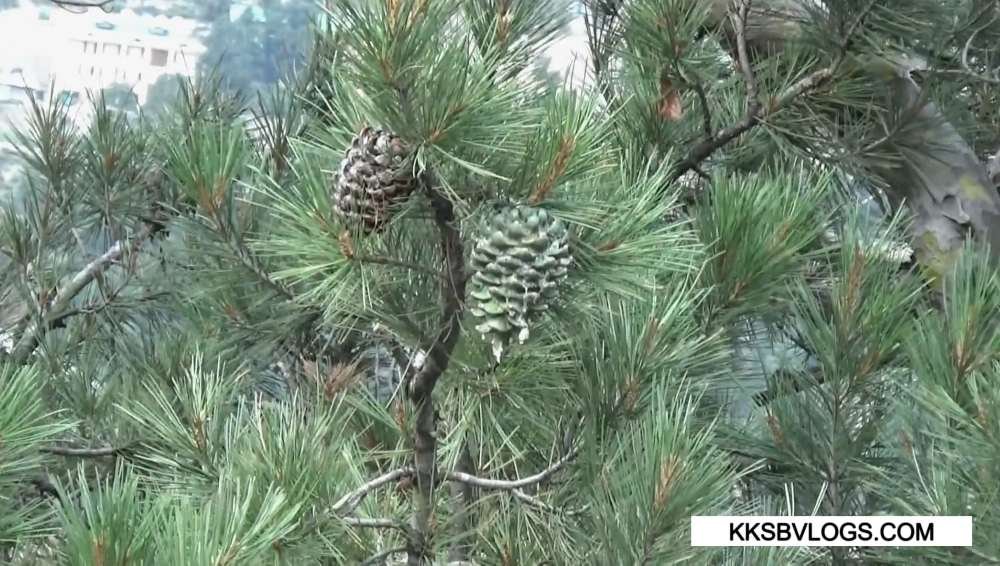
Where is Chilgoza Found? | Complete Information of Kinnaur, Himachal Pradesh
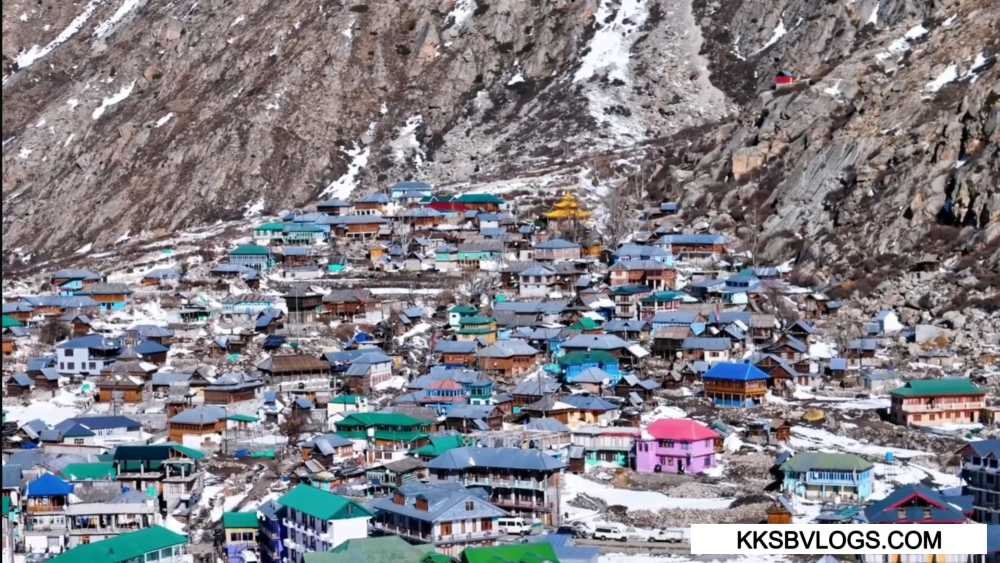
If you go searching for Chilgoza in Himachal, in the end you will have to reach Kinnaur. This is where most of its trees are found.
It is also found in some parts of Chamba — like Pangi and Bharmour — but its real identity is of Kinnaur itself.
These trees grow at an altitude of around 1800 to 3000 meters. In lower regions, finding it is almost impossible.
The interesting thing is that it is not limited to India. It is also found in some mountainous regions of Afghanistan and Pakistan, but in India, its story is connected with Kinnaur itself.
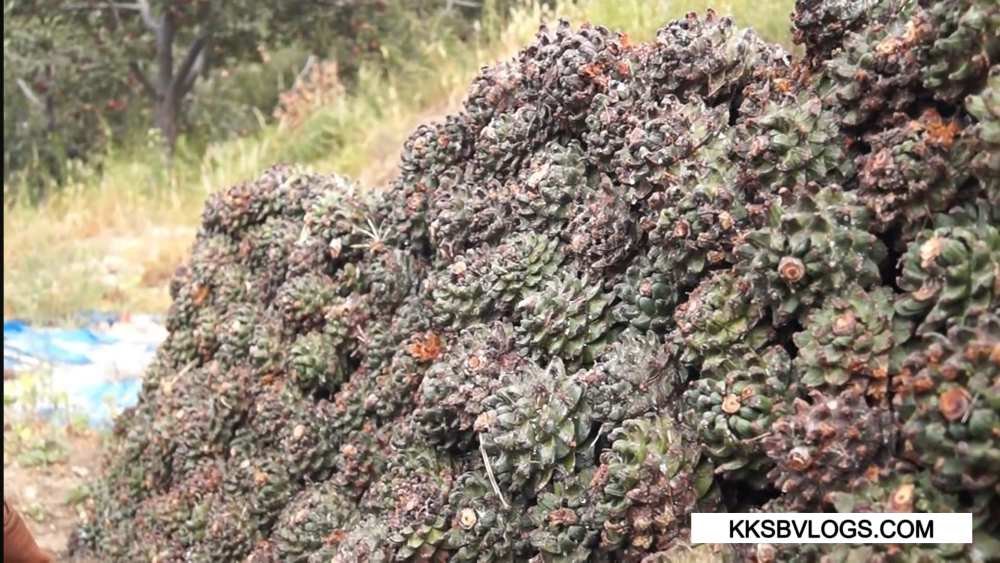
How Chilgoza Pine Grows? (Climate, Altitude & Growth Conditions)
The most unique thing about this tree is its growth speed. While other trees grow in a few years, Chilgoza pine grows very slowly.
Its age can reach up to 150 to 200 years. That means one tree can witness many generations in its lifetime.
It grows in areas where rainfall is less, soil is hard, and the weather is sometimes extremely cold and sometimes dry. Not every plant can survive in these conditions, but this tree stays there.
Perhaps this is the reason why it does not spread everywhere like common trees.
How Chilgoza Harvesting Happens? (Complete Process from Cone to Seed)
Chilgoza is not a crop that grows in fields that you can easily cut. Its entire process is completely different.
First, cones grow on the tree, inside which the seeds are hidden. These cones ripen around October–November.
Now the real work begins — people climb mountain slopes and break these cones. This work is not easy, because the land is not flat and many times the height is also more.
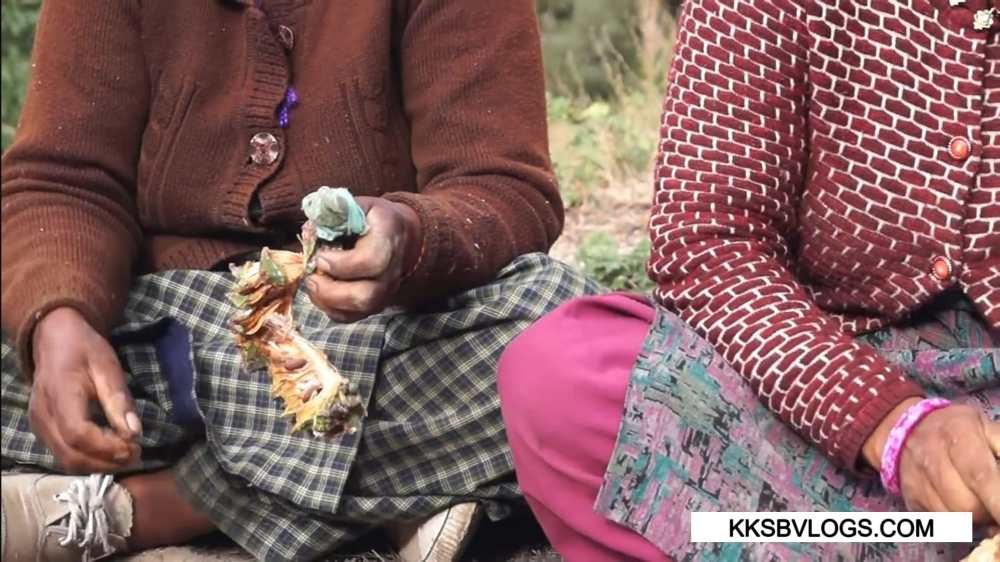
After that, the cones are dried, and then the seeds are taken out. The entire work is done by hand, so it takes both time and effort.
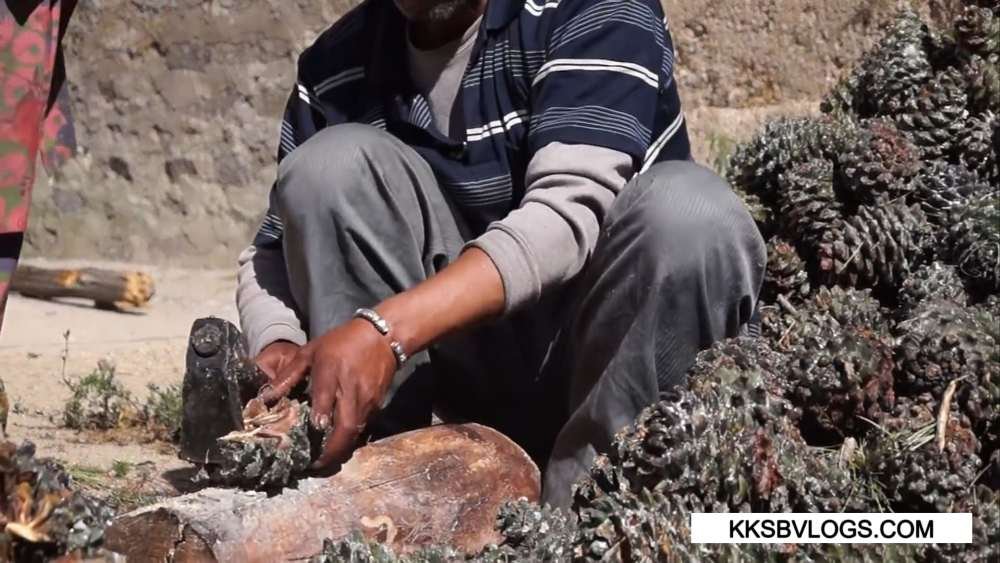
Why is Chilgoza So Expensive? (Price, Demand and Reality Explained)
If it is left by calling it just an “expensive dry fruit,” then the matter remains incomplete.
The real reason is that it does not grow everywhere. Even where it grows, its growth is slow and harvesting is difficult.
On top of that, regeneration is low — meaning new trees are not growing as fast as they should.
If you combine all these factors, the supply remains low, while demand stays high.
That is why its price reaches ₹2000–2200 per kilogram.
For the people of Kinnaur, it is not just a product — it is also an important source of income.
Chilgoza Nutrition & Health Benefits: Is It Really That Beneficial?
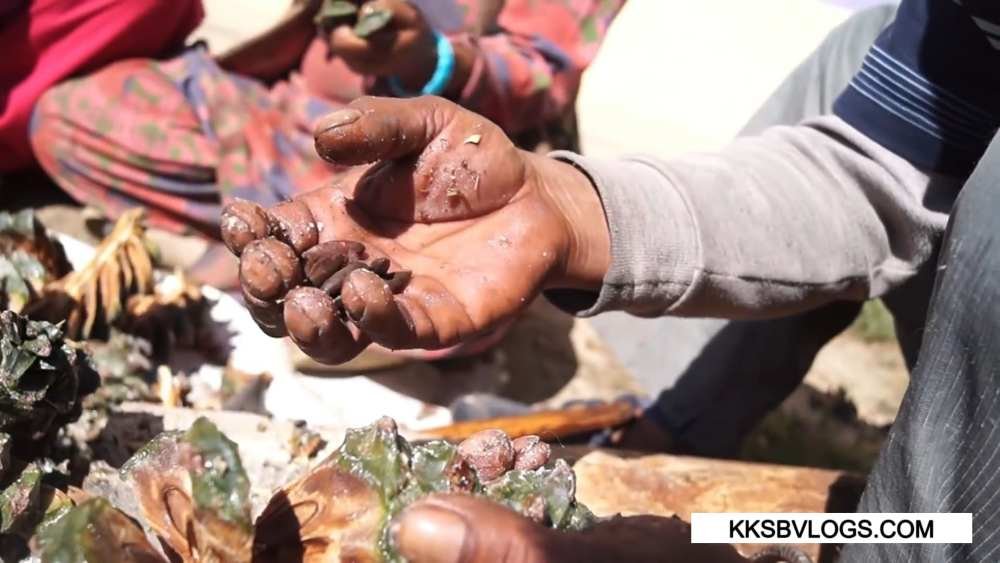
If you look only at its price and think that Chilgoza is a “luxury dry fruit,” then you are understanding only half the story.
Actually, it is an energy-rich seed, in which fat, protein, and essential minerals are found in good amounts. Almost half of it consists of healthy fats, which help in giving instant energy to the body.
Apart from this, it also contains protein, which is necessary for muscles and overall strength. Vitamin E and some B-group vitamins are also found in it, which support the basic body functions.
In many places, it is considered good for digestion, and some people also believe it increases stamina. But one thing should be clearly understood — it is not a medicine, but a nutritious food.
That means it has benefits, but there is no need to overclaim.
Importance of Chilgoza in Kinnaur’s Culture
If you ask any local in Kinnaur what Chilgoza is, they will not just say “dry fruit.”
It is a part of the lives of people there — from daily use to religious traditions.
Here it is also called “Neoza,” and in many places, it is used in local salty tea “Cha.” In cold weather, this tea not only gives taste but also helps in keeping the body warm.
Apart from this, garlands are made from its seeds, which are offered to deities. Giving them to guests during weddings, festivals, or special occasions is also a part of tradition.
That means Chilgoza here is not just something to eat — it is a cultural identity.
Threats Faced by Chilgoza Pine (Threats & Challenges)
Now the real concern starts from here.
As valuable as this tree is, it is equally vulnerable.
The biggest problem is — low regeneration.
When harvesting happens, almost all cones are removed. This means seeds do not get the chance to grow into new plants.
Apart from this, forest fires, animal grazing, and wood usage are also reducing its population.
Many times, rats and birds eat the seeds, which further reduces germination.
On paper, it may seem small, but in the long term, this becomes the biggest threat.
Conservation Efforts: What is Being Done to Save It?
The government and forest department understand this problem, so efforts have started.
Nursery plantations, awareness campaigns, and plantation drives are being done.
But the reality is that growing Chilgoza pine is not easy. Its cutting and grafting also do not succeed easily.
That is why conservation is not just the government’s job — local communities play the most important role.
Current Status of Chilgoza Pine (Near Threatened Reality)
The present situation is that Chilgoza pine is in the “Near Threatened” category.
This means it is not completely endangered yet, but the situation is concerning.
If this continues, this tree will become rarer and rarer.
And then not only the price, but even its availability will become a question.
FAQs (People Also Ask – Chilgoza Pine)
What exactly is Chilgoza Pine?
People eat the seeds of the chilgoza pine tree (Pinus gerardiana). It doesn’t look like a nut; it comes from inside a cone that grows on trees in high-altitude areas like Kinnaur.
Why is Chilgoza so expensive compared to other dry fruits?
The fundamental reason is that there isn’t enough. These trees only grow in certain mountain areas, take a long time to grow up, and people have to pick them by hand. Also, new trees aren’t growing quickly enough, which keeps the supply low and the price high.
Where can Chilgoza Pine be found in Himachal Pradesh?
Most of the time, chilgoza grows in Kinnaur district. Chilgoza trees can also be found in some sections of Chamba, such as Pangi and Bharmour. However, Kinnaur is thought to be the main area for these trees in India.
In which season is Chilgoza harvested?
People mainly choose chilgoza between October and November. During this period, the cones grow up and are picked by hand from trees on steep mountain slopes.
Is Chilgoza Pine farming possible like other crops?
Not really. Chilgoza doesn’t grow like other crops. It needs the right soil, climate, and altitude, and even then, it grows very slowly. That’s why it’s hard to farm on a wide basis.
What are the health benefits of Chilgoza?
Chilgoza has a lot of healthy fats, protein, and vitamins and minerals that are good for you. It gives you instant energy and is good for your health in general, but you shouldn’t use it as a medicine.
What does “Near Threatened” mean for Chilgoza Pine?
It signifies that the species is not in danger yet, but it is getting there. If things keep going the way they are, it might become rare in the future.
Can Chilgoza be eaten daily?
People normally only eat it once in a while because it is high in fats and costs a lot of money.