What Are Tibetan Prayer Flags? (Tibetan Prayer Flags Meaning)
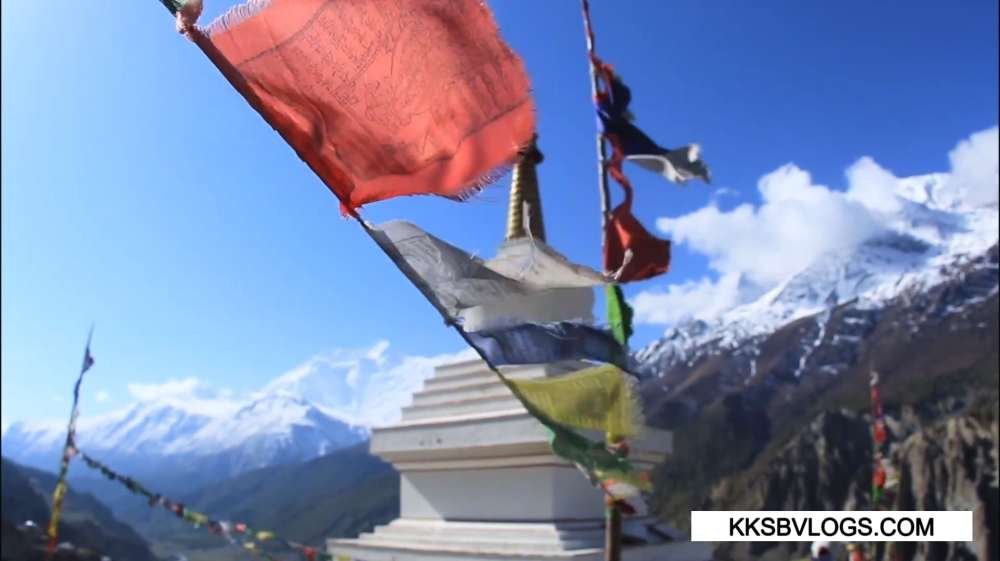
Whenever you travel in the mountains of the Himalayas—whether it is Kinnaur, Spiti, Ladakh or Sikkim—one thing appears common everywhere… colorful flags fluttering in the wind. At first glance, they seem like just decoration, but as soon as you stand near them and observe them closely, a question definitely comes to mind—what is the meaning of Tibetan prayer flags?
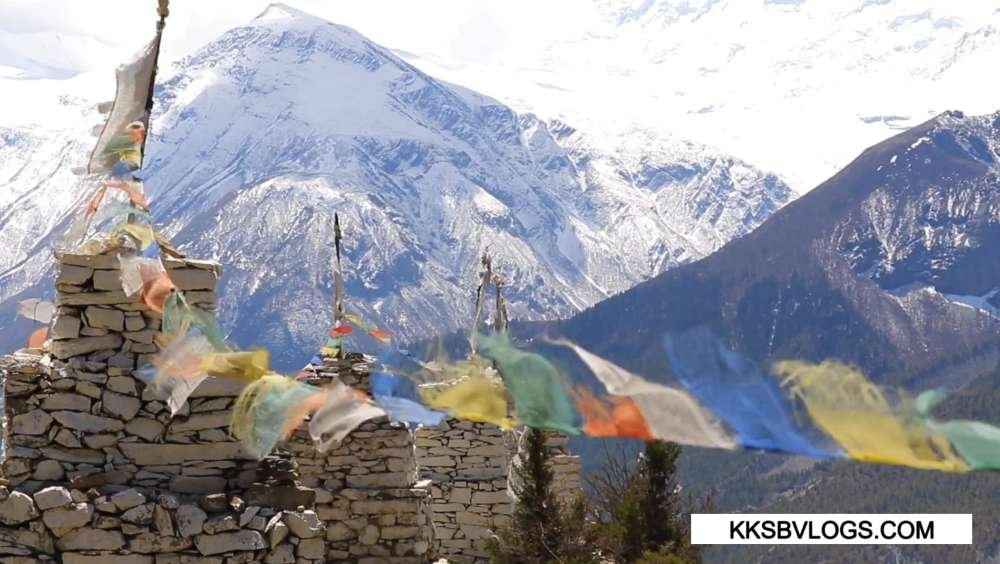
In fact, these flags are called prayer flags, and they are a very deep part of Himalayan Buddhist culture. The mantras and symbols written on them are not just for display, but their purpose is—to spread peace, compassion and positive energy. This is the reason why people often ask why prayer flags are placed on mountains, and the answer is simple—the more the height and wind, the farther their prayers reach.
Origin and History of Tibetan Prayer Flags
If we understand their history, it is known that the roots of Tibetan prayer flags are found not only in Buddhism, but also in the ancient Bön religion of Tibet. Over time, Buddhism adopted and developed them, and then this tradition spread to different parts of the Himalayas—such as Himachal Pradesh, Ladakh, Nepal and Bhutan. Today, prayer flags in Himachal Pradesh are just as common as they are in Tibet.
Types of Prayer Flags: Lungta and Darchog Difference
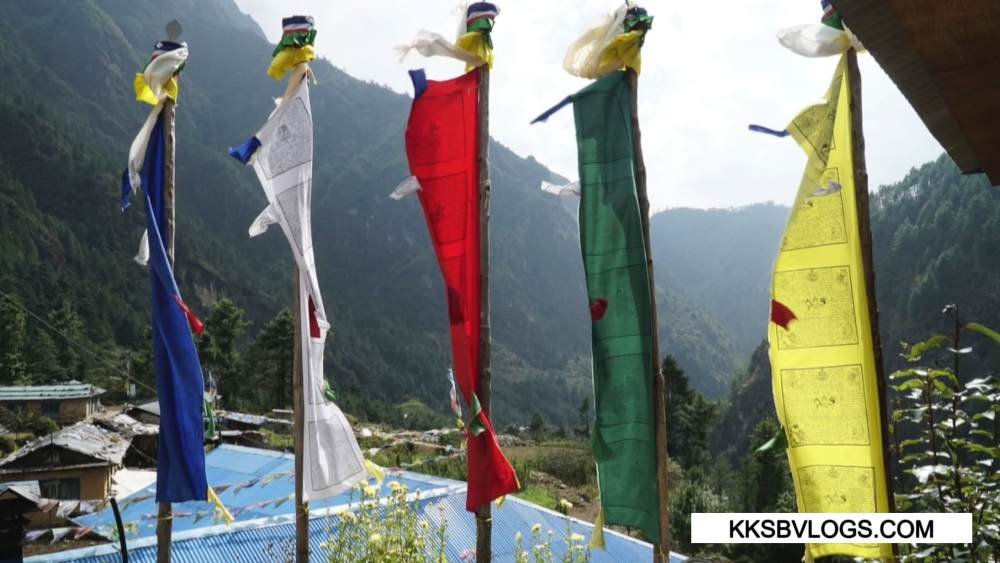
To understand these flags, it is necessary to know their types. Generally, there are two main types—Lungta flags and Darchog flags. If you ever think about what is the Lungta and Darchog difference, then understand in simple language: Lungta flags are tied horizontally, while Darchog flags are placed vertically. On Lungta flags, a special symbol is made—wind horse symbol, which is called the “wind horse”. This horse carries three jewels on it, which represent Buddha, Dharma and Sangha—that is, right thinking, right path and right company.

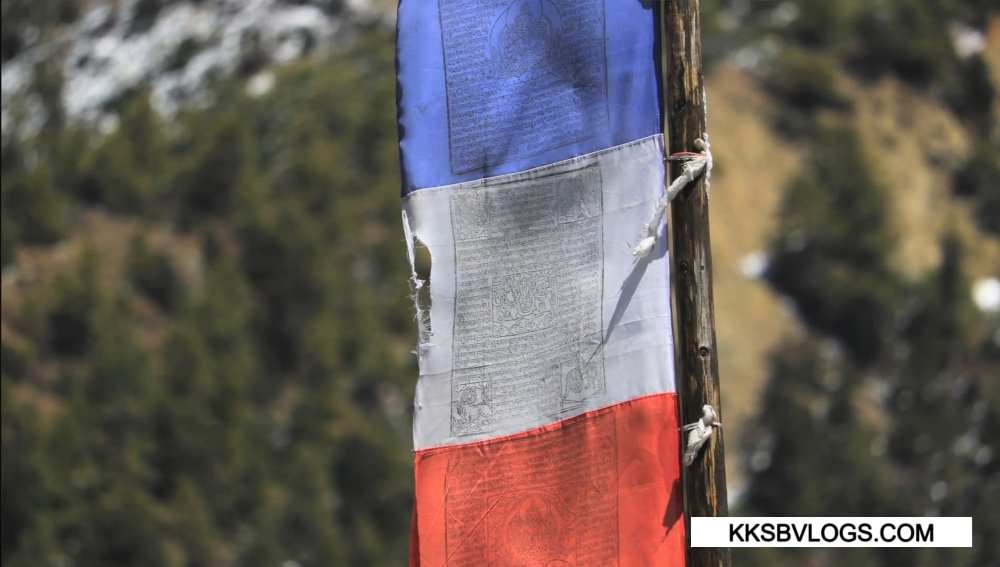
On the other hand, Darchog flags often have mantras written on them, among which the most famous is—“Om Mani Padme Hum”. Many people want to know its meaning, that is, what is the Om Mani Padme Hum meaning. In simple words, this mantra is considered a symbol of compassion and wisdom, which inspires a person to move forward in the right direction.
Prayer Flags Colors Meaning (Five Elements Explained)
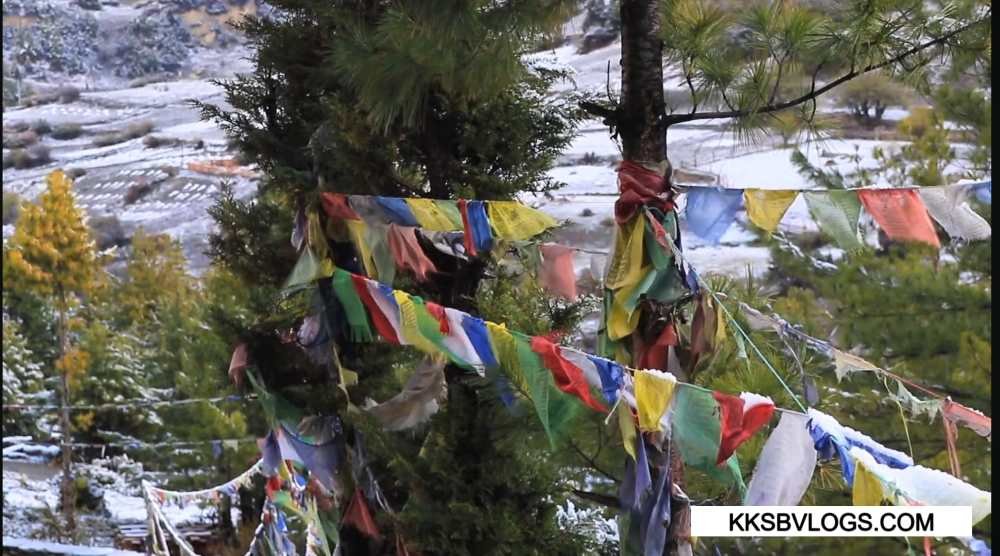
If you have noticed, all these flags are in five colors—blue, white, red, green and yellow. This is not a coincidence. These colors represent the five elements of nature—sky, air, fire, water and earth. This is the reason why understanding prayer flags colors meaning is like understanding Himalayan culture, because they are considered a symbol of the balance of the entire universe.
Why Prayer Flags Are Placed on Mountains
The most special thing behind these flags is that they are not placed to ask something from God. Rather, they are based on the belief that the prayers written on them spread with the wind and carry positive energy into the entire environment. Therefore, when someone asks what is the buddhist flags meaning, then its answer is not limited only to religion—it is a symbol of good wishes for the entire humanity.
Modern Use and Misunderstanding of Prayer Flags
However, in today’s time, a change is clearly visible. Many people have started using these himachal prayer flags only for decoration or Instagram photos. But in reality, they are part of a sacred tradition. Dropping them on the ground or using them in the wrong way is considered disrespectful in the local culture.
Conclusion: More Than Just Colorful Flags
In the end, if you go on a journey to any place in the Himalayas next time and see these colorful flags fluttering in the wind, then do not just see them as a beautiful view. These flags tell the story of a tradition that teaches us that our prayers should not be only for ourselves, but for the whole world.