
Jaipur Travel Guide : The Real Pink City Experience
People call Jaipur “Pink City” and limit it only to one color.
But if you look at Jaipur only through the lens of photos and monuments, then you will be able to see only half of that city. Jaipur is a planned city, a living heritage, and the centre point of Rajasthan’s culture–identity.
Jaipur is that place where forts were not made only for seeing, but they were made to protect the thinking of the city. The bazaars here are not only for shopping, but they are a part of everyday life. And the palaces here do not only tell royal stories, but they explain the lifestyle of a whole era.
If you want to see Jaipur not as a “travel destination”, but as an experience, then this guide is for you.
Why Visit Jaipur? (Why Is Jaipur So Special?)
Jaipur is not special because there are more forts here.
Jaipur is special because:
- This is one of India’s first planned cities
- Here heritage and modern life move together
- The bazaars of the Old City still follow the same rhythm that was there centuries ago
- Forts are not just standing above the city, but they define the city
Jaipur is a place where:
- In the morning you can read the history of a fort
- In the afternoon you can do bargaining in the bazaar
- In the evening at sunset time you can see the whole city from above
And all this without too much travel struggle.
Where Is Jaipur Located & Why Its Location Matters
Jaipur is the capital city of Rajasthan and is located in North-West India.
Geographically Jaipur’s location is very important, because:
- It is easily connected to Delhi
- It comes on the route of Rajasthan’s major cities (Ajmer, Pushkar, Jodhpur, Udaipur)
- It is a transition zone between the desert region and the Aravalli hills
Because of this location, Jaipur has always been:
- a trade centre
- a hub of cultural exchange
- and in today’s time it has become the entry point of Rajasthan tourism
That is why for first-time Rajasthan travellers, Jaipur becomes the most logical starting city.
What Is Jaipur Famous For (Not Only Monuments)
Jaipur’s fame is not limited only to forts and palaces. Jaipur is famous for:
- Rajputana military architecture
- royal palaces and courtyards
- traditional bazaars and crafts
- Rajasthani food culture
- and a city planning which still works even today
To understand Jaipur, only seeing a “best places” list is not enough.
You also have to understand why this place was made, how it was made, and how it evolved.
Best Places to Visit in Jaipur (With Context, Not Just Names)
1) Amber Fort – Not Only a Fort, a System
Amber Fort is Jaipur’s most famous monument, but people often understand it only as a photo-spot.
Actually Amber Fort was a complete fortified town where:
- there were royal residences
- there was military planning
- there were water harvesting systems
- and there was a proper logic of defensive design
Amber Fort was made on a hilltop so that:
- the routes below could be watched
- both the city and the outer regions could be controlled
Real experience tip:
Do not see Amber Fort in a rush. Connect the courtyards, staircases and viewpoints and see — only then you will understand how this fort “operated”.
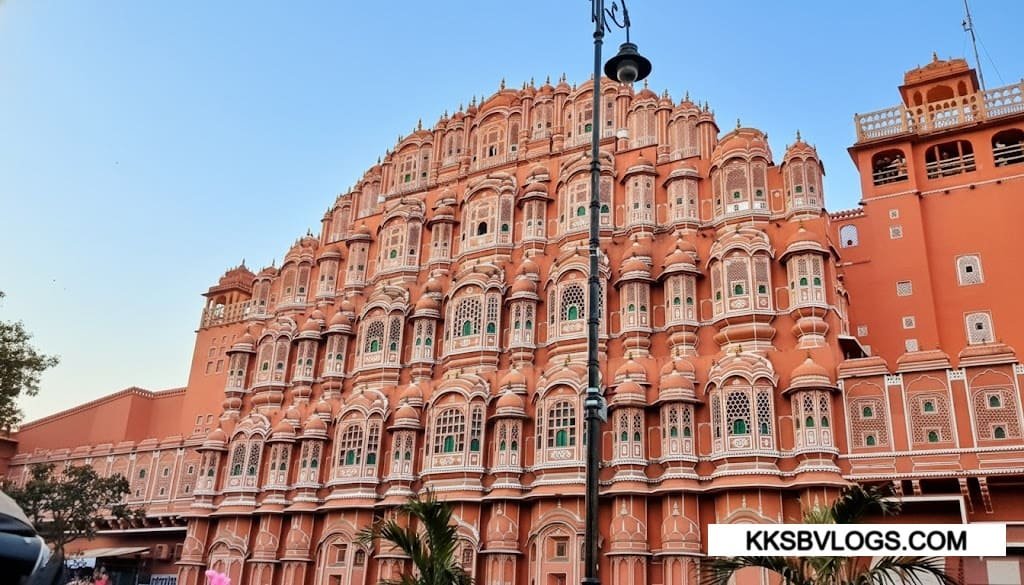
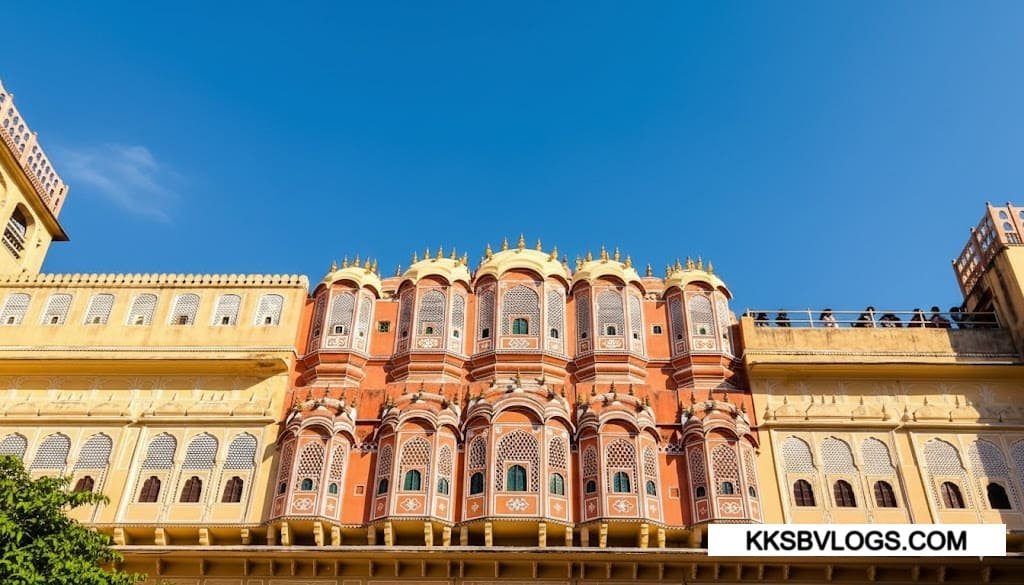
2) Hawa Mahal – Not Only a Facade
Most people see Hawa Mahal only from outside and go away.
But the real purpose of Hawa Mahal was:
- to give royal women a chance to see city life
- to observe street festivals without public exposure
- to use natural ventilation and save from heat
Its 900+ jharokhas are not only design — they were a solution of both climate and culture.
Real tip:
In early morning hours, the front of Hawa Mahal looks the most authentic, when the city is waking up.
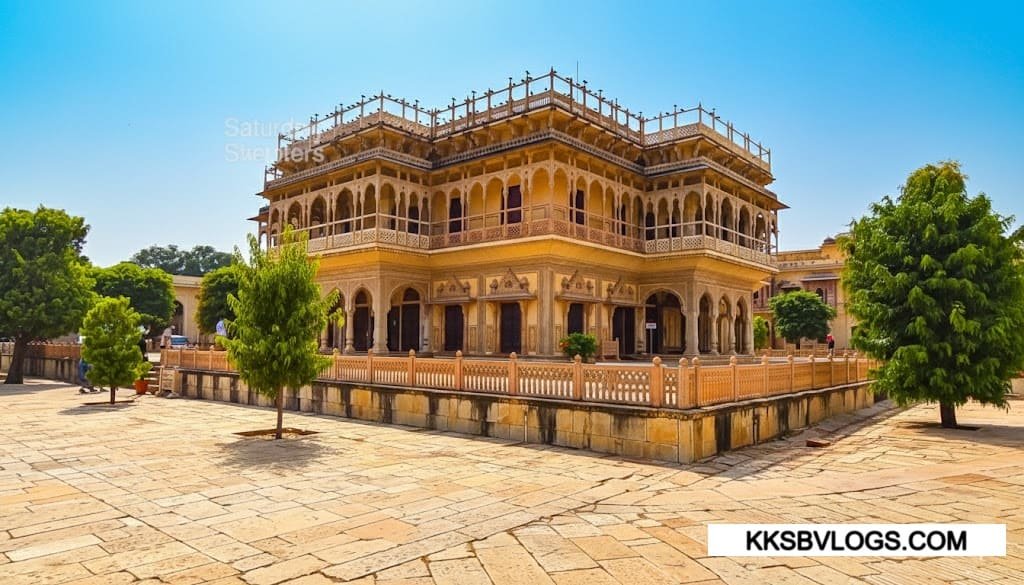
3) City Palace – Where the Past Is Still Alive
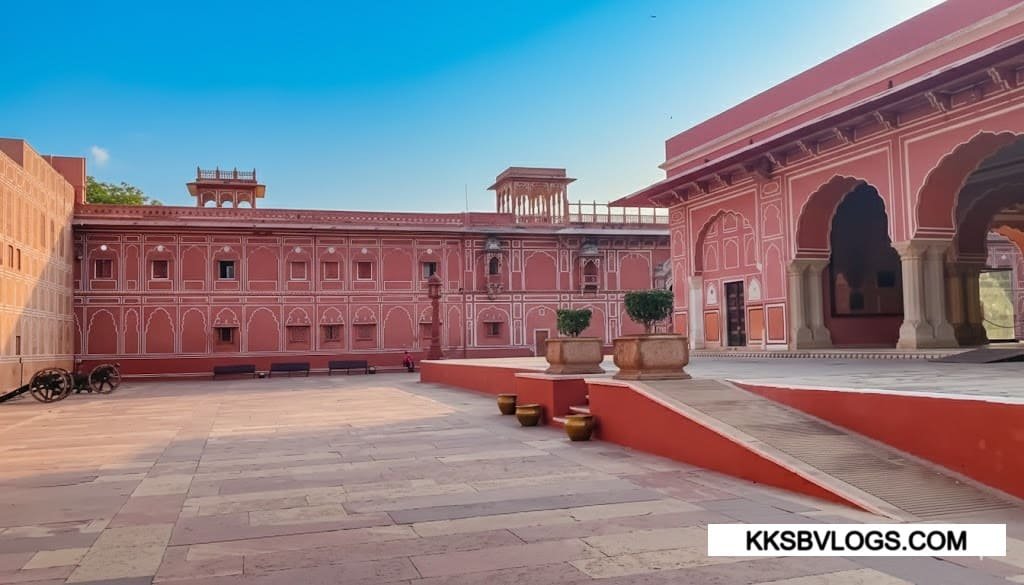
City Palace is that part of Jaipur where history did not get closed by becoming a museum.
Even now the royal family has a residence here, and because of this the atmosphere of the palace feels a little different.
In City Palace:
- the logic of courtyards is understood
- the structure of royal lifestyle is seen
- and the taste of Jaipur’s rulers is reflected
If you have come only to take photos, then you will miss its depth.
4) Jantar Mantar – When Science Becomes Architecture
Jantar Mantar is that monument of Jaipur where people either get bored, or get completely fascinated.
This is not only a group of instruments.
This is a reminder that at one time in India astronomy and mathematics were so advanced — without computers, without screens.
If you stop a little and try to understand, then Jantar Mantar can become Jaipur’s most intellectually interesting place.
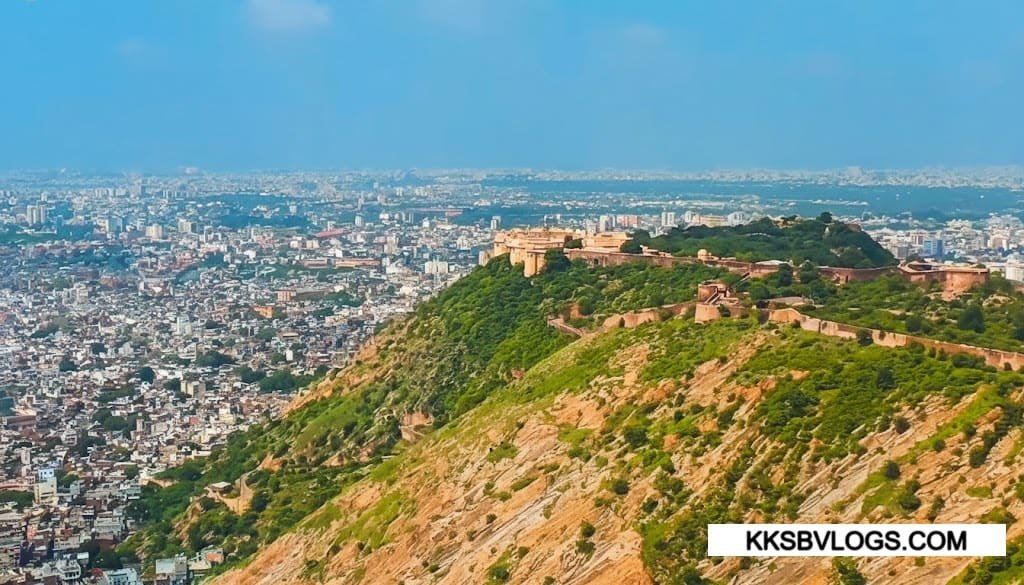
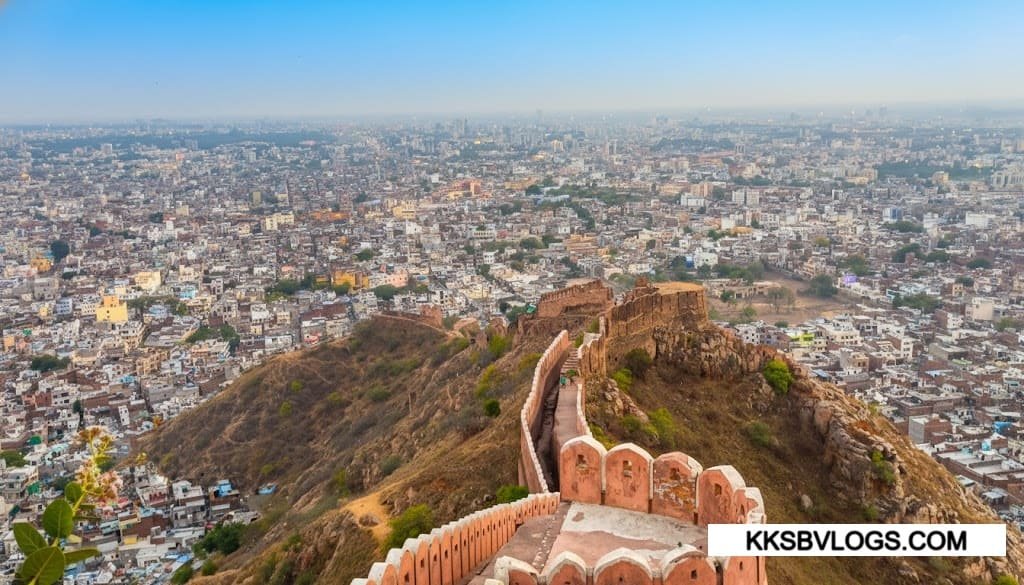
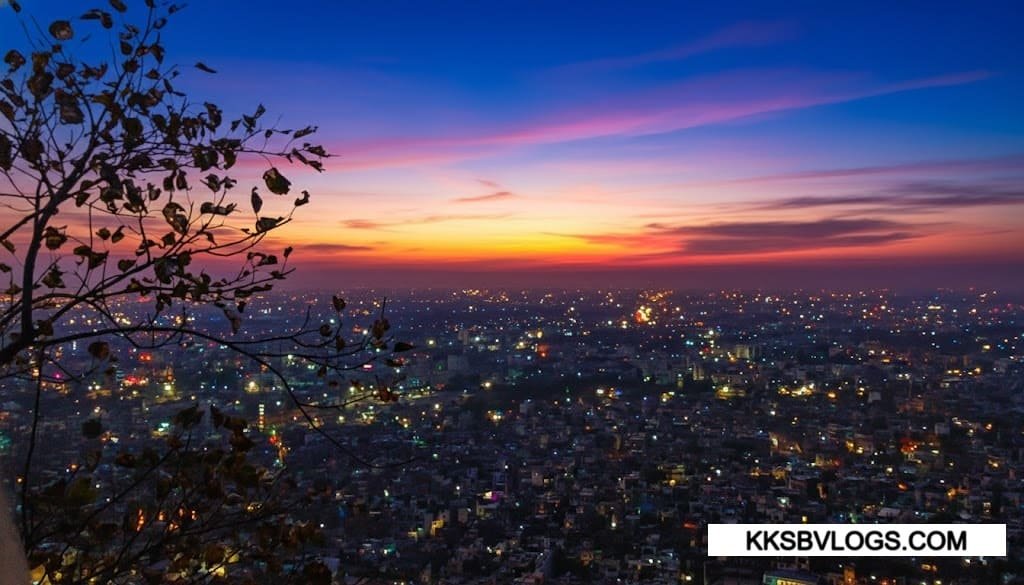
5) Nahargarh Fort – The Place to Understand Jaipur from Above
Nahargarh Fort is not famous only for sunset.
This is the place from where you can clearly see Jaipur’s city planning.
- the grid pattern of the Old City
- the expansion of New Jaipur
- and the natural spread of the city
Everything is seen in one frame.
Real advice:
Do not go only for 10 minutes of sunset. Reach a little earlier and see the city changing slowly.
6) Jaigarh Fort – An Example of Power and Defence
Jaigarh Fort does not represent glamour, it represents power.
This fort clearly shows that Jaipur was not standing only on beauty, but also on military strength.
It is logical to see Jaigarh and Amber together, because both were part of the same defence system.
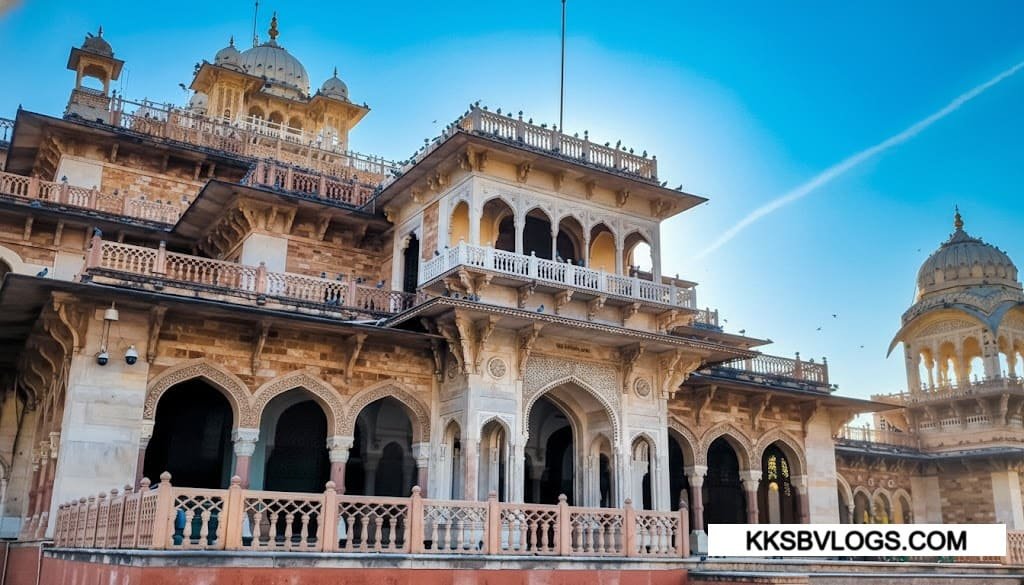
7) Albert Hall Museum – A Perfect Spot for Slow Travel
Albert Hall Museum is for those people who do not want to make Jaipur only a tick-box travel.
By stopping here you can see:
- art
- textiles
- weapons
- cultural artefacts
all at one place.
This place feels like a pause between Jaipur’s fast pace.
Hidden & Offbeat Jaipur (Where Tourists Reach Less)
If you want the real feel of Jaipur, then do not ignore these places:
- Panna Meena Ka Kund: a simple, raw example of stepwell architecture
- Gaitore Ki Chhatriyan: royal cenotaphs where silence speaks the most
- Old City Lanes: where Jaipur lives daily, not only shows
These places will make your blog different from a “same-same Jaipur article”.
Jaipur Travel Itinerary (Realistic & Traveller-Friendly)
The most common mistake to understand Jaipur is:
“Trying to see everything in one day.”
Jaipur is not a slow city, but it is not a rushed city either.
That is why the balance of itinerary is very important here.
1-Day Jaipur Itinerary (Short Trip / Stopover)
If you have only 1 day, then keep the focus on core Jaipur.
Morning
- Amber Fort (early start is necessary)
- Panna Meena Ka Kund (short stop)
Mid-Day
- City Palace
- Jantar Mantar
Evening
- Hawa Mahal (outside view + photos)
- Old City market walk
Night
- Nahargarh Fort sunset
- Dinner with city view
👉 This itinerary is fast, but it gives the overall idea of Jaipur.
2-Day Jaipur Itinerary (Most Recommended)
This is the best-balanced plan for Jaipur.
Day 1 – Forts & Old City
- Amber Fort
- Jaigarh Fort
- Lunch break
- Hawa Mahal
- Old City bazaars (Johari / Bapu Bazaar)
Day 2 – Culture & Views
- City Palace
- Jantar Mantar
- Albert Hall Museum
- Gaitore Ki Chhatriyan
- Nahargarh Fort sunset
👉 In this plan, history + markets + city views all get covered.
3-Day Jaipur Itinerary (Slow & Deep Experience)
If you do not want to make Jaipur a “tick list”:
Day 1
- Amber Fort
- Jaigarh Fort
- Stepwell visit
- Evening rest
Day 2
- City Palace
- Jantar Mantar
- Albert Hall
- Old City food crawl
Day 3
- Gaitore Ki Chhatriyan
- Local neighbourhood walk
- Shopping
- Café hopping / cultural show
👉 This itinerary is perfect for photographers, couples and slow travellers.
How Many Days Are Enough for Jaipur Travel?
- 1 day: only highlights
- 2 days: proper Jaipur experience
- 3 days: relaxed + offbeat + markets
If you are making a Rajasthan circuit, then keep minimum 2 days for Jaipur.
Best Time to Visit Jaipur Travel (Season Reality, Not Myths)
The heat in Jaipur is real — it should not be ignored.
Winter (October – February)
- best weather
- sightseeing comfortable
- peak tourist season
👉 Ideal for first-time travellers.
Summer (March – June)
- temperature high
- fort walking exhausting
- hotels cheaper
👉 For budget travellers, but early mornings are necessary.
Monsoon (July – September)
- less crowd
- the city feels a little fresh
- sometimes humidity
👉 Underrated for photographers and peaceful travel.
Jaipur Travel Cost Breakdown (Honest Numbers)
This is the average per-person cost (without intercity travel).
Budget Traveller
- Stay: ₹800 – ₹1,500
- Food: ₹400 – ₹600
- Transport + tickets: ₹500 – ₹800
👉 ₹1,800 – ₹2,800 per day
Mid-Range Traveller
- Stay: ₹2,000 – ₹4,000
- Food: ₹800 – ₹1,200
- Transport + attractions: ₹1,000+
👉 ₹4,000 – ₹6,000 per day
Luxury / Heritage Experience
- Stay: ₹7,000 – ₹20,000+
- Guided tours + fine dining
👉 Jaipur is also a top city for luxury travellers.
How to Reach Jaipur
By Flight
- Jaipur International Airport (JAI)
- approx 30 minutes from city centre
By Train
- Jaipur Junction (well connected)
- Delhi–Jaipur trains frequent
By Road
- 5–6 hours from Delhi
- AC buses and highways good quality
Local Transport in Jaipur
- Autos / E-rickshaws: short distances (confirm price first)
- Cabs: best for fort circuits
- Walking: the most real experience in Old City
👉 Auto drivers often take you to shopping places for commission — be aware.
Where to Stay in Jaipur (Area Matters)
- Old City: heritage feel, markets nearby
- MI Road / C-Scheme: central, balanced
- Amer side: peaceful, but a little far
👉 For first-time travellers, central Jaipur remains best.
What to Eat in Jaipur (Real Food Guide)
Jaipur’s food may look simple, but the taste is strong.
Must-try items:
- Dal Baati Churma
- Pyaz Kachori
- Ghewar
- Rajasthani Thali
- Lassi / Rabri
👉 Try street food, but stay away from over-hyped influencer cafés.
Shopping in Jaipur (Smart Buying Tips)
What to Buy
- Bandhani & Leheriya
- Mojari footwear
- Jewellery (trusted shops only)
- Handicrafts
Best Markets
- Johari Bazaar
- Bapu Bazaar
- Tripolia Bazaar
👉 People create pressure by saying “Government shop” — ignore it.
Is Jaipur Safe for Travellers?
Short answer: Yes, if you travel smart.
- Solo travellers feel safe
- comfortable for families
- avoid isolated areas at night
- keep belongings secure in bazaars
Jaipur is a tourist city, but awareness is necessary.
Common Scams & Mistakes in Jaipur
- fake guides near monuments
- auto drivers taking you only to commission shops
- overpriced cultural shows
- forced shopping stops
👉 Rule is simple: if there is pressure for anything, say no.
Important Jaipur Travel Tips (Experience-Based)
- early mornings are Jaipur’s best moments
- see forts in one cluster
- do not keep market + monuments at the same time
- do not ignore hydration and sunscreen
- keep one day intentionally “slow”
If this complete Jaipur travel guide helped you plan better, don’t stop here.
For real travel experiences, honest tips, and practical itineraries, follow and subscribe:
📸 Instagram: Official kksb
▶️ YouTube: KKSBVLOGS
Frequently Asked Questions About Jaipur Travel
What is Jaipur most famous for?
Jaipur is famous for its royal forts, palaces, traditional markets and planned Pink City architecture. Amber Fort, Hawa Mahal, City Palace and Jantar Mantar are the core part of Jaipur’s identity.
How many days are enough to explore Jaipur properly?
To explore Jaipur properly, minimum 2 days are needed.
If you also want to see slow travel, markets and offbeat places, then 3 days remain ideal.
What is the best time to visit Jaipur?
The best time to visit Jaipur is between October and February.
In this time the weather is comfortable and sightseeing stays easy. Summers are quite hot, and in monsoon humidity can be more.
Is Jaipur safe for solo travellers and families?
Yes, Jaipur is generally a safe city for solo travellers, couples and families.
Just follow basic precautions—avoid isolated areas late night and keep belongings in mind in crowded markets.
Is Jaipur expensive or budget-friendly?
Jaipur is a budget-friendly city.
You can explore Jaipur in a budget of ₹2,000–₹3,000 per day, and if you want luxury then heritage hotels and premium experiences are also easily available.
What are the must-visit places in Jaipur for first-time visitors?
First-time visitors should definitely see these places:
Nahargarh Fort (sunset)
Amber Fort
City Palace
Hawa Mahal
Jantar Mantar
Is Jaipur good for couples and honeymoon trips?
Yes. Jaipur is quite popular for couples.
Sunset forts, heritage stays, rooftop dinners and nearby places like Pushkar and Ajmer make Jaipur suitable for a romantic trip.
What food should I try in Jaipur?
You should not miss these food items in Jaipur:
- Dal Baati Churma
- Pyaz Kachori
- Ghewar
- Rajasthani Thali
- Lassi and local sweets
Street food is tasty, just choose clean and crowded shops.
Which are the best markets for shopping in Jaipur?
Jaipur is famous for shopping. Best markets are:
- Johari Bazaar (jewellery)
- Bapu Bazaar (clothes, mojari)
- Tripolia Bazaar (traditional items)
Bargaining is common, but do not overpay.
Are there any common scams tourists should be aware of in Jaipur?
Yes, some common scams happen:
- pressure selling by saying “Government approved shop”
- fake guides near monuments
- auto drivers taking you far for shopping commission
Confirming price first for everything is best.