Introduction: Mahasu Devta as a Living Himalayan Belief
There are many villages in the Western Himalayas where justice even today does not mean only courts or written laws. Here, decisions are often based on tradition, oath, and collective belief. The most prominent name in this system is — Mahasu Devta.
Mahasu Devta is not seen here only in the form of worship, but is believed to be a folk-king and a symbol of justice. Taking his name is not only a sign of devotion, but also of responsibility. In folk tradition, it is believed that lying or taking a false oath in front of Mahasu Devta is the greatest crime.
That is why Mahasu Devta is not limited to an idol or a temple. He is a moving, living tradition that even today influences social rules and behavior.
Mahasu Devta: Not Just a Deity, but a Social System
Understanding Mahasu Devta only from a religious perspective is not enough. This is a complete social system in which fear, faith, and justice remain balanced. In hill society, Mahasu Devta’s court is considered a place where hiding the truth becomes difficult.
Here, the deity’s role is not only protection, but also maintaining social boundaries. That is why Mahasu Devta’s influence is clearly visible in village decisions, disputes, and oaths.
Meaning of the Name Mahasu – Different Perspectives
Different views are found regarding the meaning of the word “Mahasu,” and this is what makes the tradition deeper.
Some folk traditions consider Mahasu Devta to be a regional form of Mahashiv. From this perspective, Mahasu Devta appears connected to the Shaiv tradition.
Some other views link Mahasu Devta with the Nag Devta tradition. In hill culture, the serpent is considered a symbol of power, protection, and nature, which is also reflected in this tradition.
The third perspective is of folk interpretation, where “Mahasu” is believed to mean great power or the supreme deity. Here, religion, nature, and folk belief appear deeply intertwined.
Regional Spread of Mahasu Devta
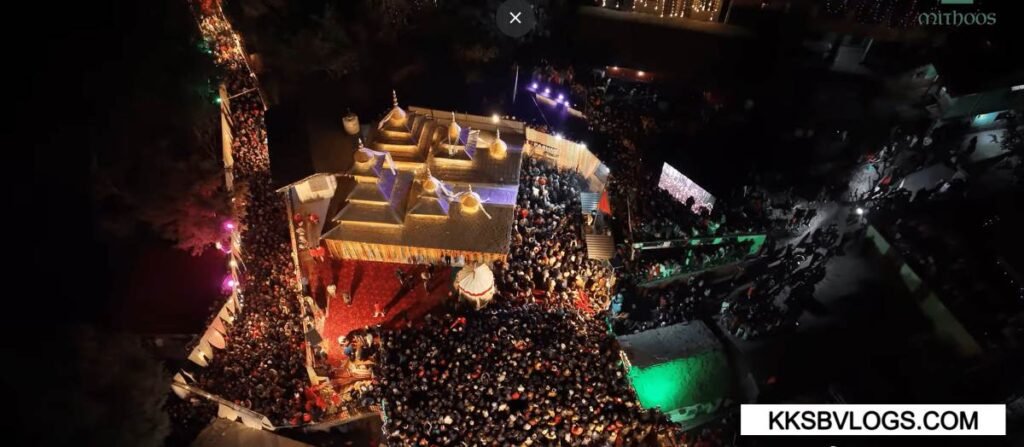
The worship of Mahasu Devta is not limited to one region. His tradition extends from Jaunsar–Bawar to many hill areas of Uttarakhand and Himachal Pradesh. In regions like Shimla, Solan, and Sirmaur, folk traditions related to Mahasu Devta are still alive today.
His form may appear slightly different in different places, but the core sentiment remains the same — truth, justice, and social morality. This spread proves that Mahasu Devta is not confined to one temple or one place, but is a continuously moving tradition.
The Four Brothers of Mahasu Devta – Structure of the Tradition
Mahasu Devta is worshipped not as a single form, but as four brothers. Together, these four brothers keep the entire tradition balanced.
The four brothers are:
- Basik Mahasu
- Pavasik Mahasu
- Bothiya Mahasu
- Chalda Mahasu
Among them, some brothers are considered stable, where their place of worship and location are fixed. But the fourth brother — Chalda Mahasu — is the most distinct and mobile form of the entire tradition.
Chalda Mahasu – The Unique Principle of the Moving Deity
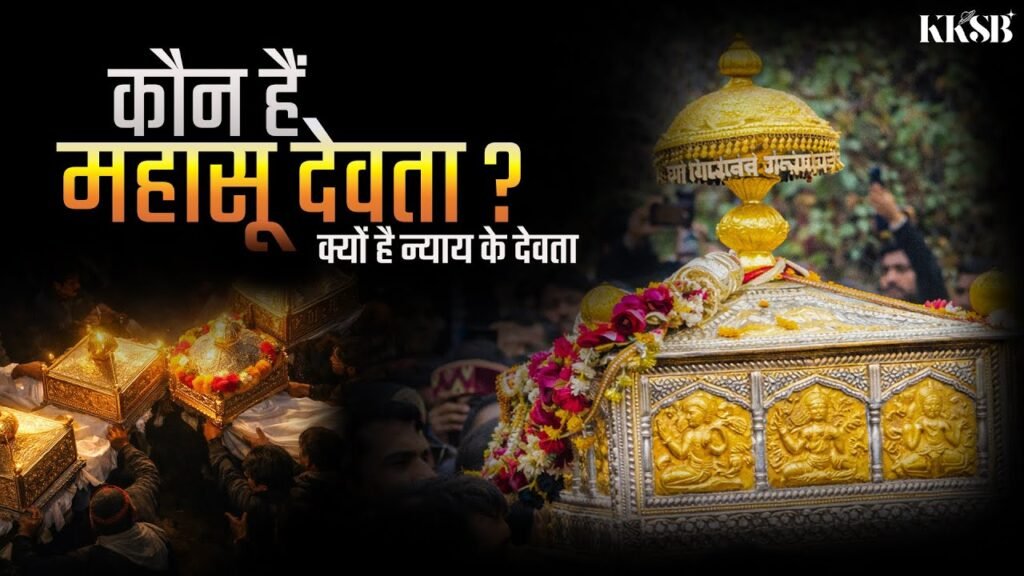
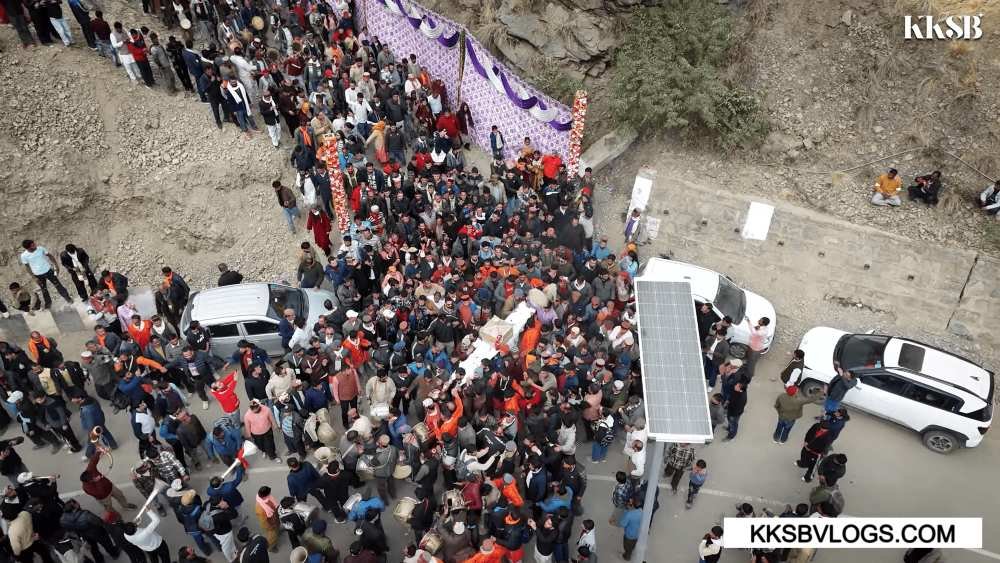
The most special aspect of Chalda Mahasu is that he does not have any permanent temple. According to folk tradition, he does not stay fixed in one place, but moves from village to village and lives among the people.
The meaning of this principle is not only religious, but also social. Here, the deity is not confined inside a temple, but placed within society. The moving form of Chalda Mahasu signifies that justice and protection should not remain limited to a single place.
The 12–12 Year Migration System
According to folk tradition, Chalda Mahasu changes his region of stay approximately every 12–12 years. This movement is not random. There are defined rules and traditions behind it.
During this journey, there are fixed stops where the deity is welcomed like a king. Villagers see this migration not merely as a journey, but as a social responsibility.
Chalda Mahasu’s migration gives people an opportunity to rethink their behavior, oaths, and social rules. That is why many people also call this migration a moving justice system.
Mahasu Devta – Justice System, Sacred Geography and Living Traditions
Mahasu Devta as the God of Justice
The strongest and most recognizable aspect of the Mahasu Devta tradition is justice. Even today, in many villages of the Western Himalayas, there are cases that reach the deity’s court before the formal court.
Here, justice does not mean only a decision, but facing the truth. According to folk belief, lies do not survive in Mahasu Devta’s court. That is why people fear taking oaths in his name. This fear is not only of punishment, but of being wrong in front of one’s own conscience.
This tradition kept hill society disciplined for centuries. Land disputes, family conflicts, or social tensions — many issues were resolved in the name of Mahasu Devta.
The Court of the Deity – A Folk Justice System
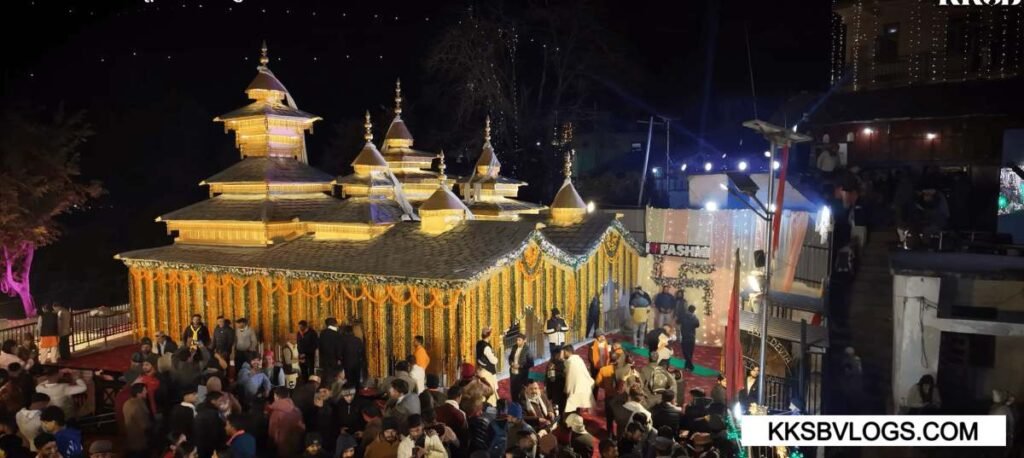
Mahasu Devta’s court is not based on written law, but on folk tradition. Decisions here are made based on collective belief, tradition, and signs of the deity.
In this system:
- Speaking the truth is the greatest rule
- False oaths are the greatest crime
- And the decision is considered final
That is why Mahasu Devta’s court is seen not only as religious, but as a folk justice system that works to unite society.
Hanol – The Central Site of the Mahasu Devta Tradition
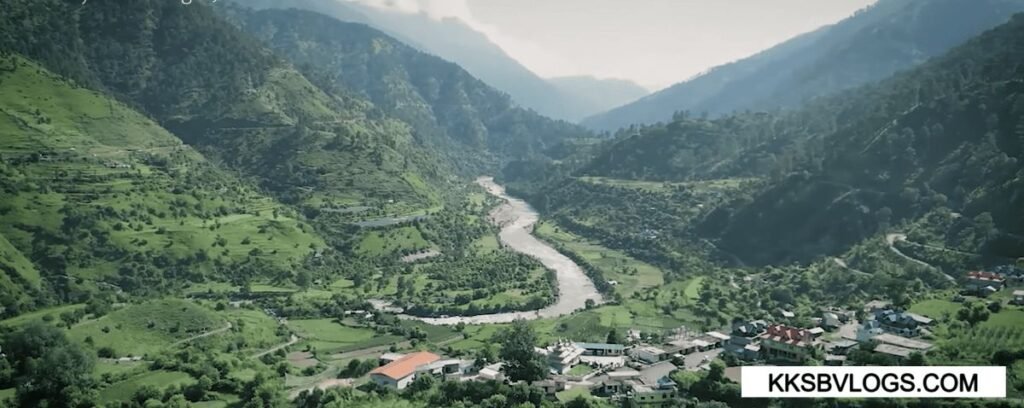
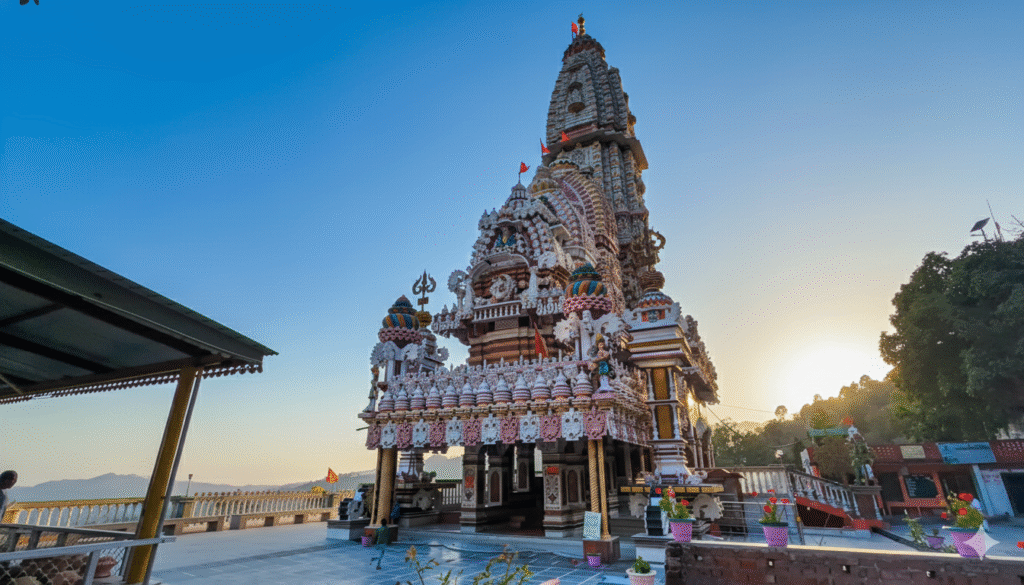
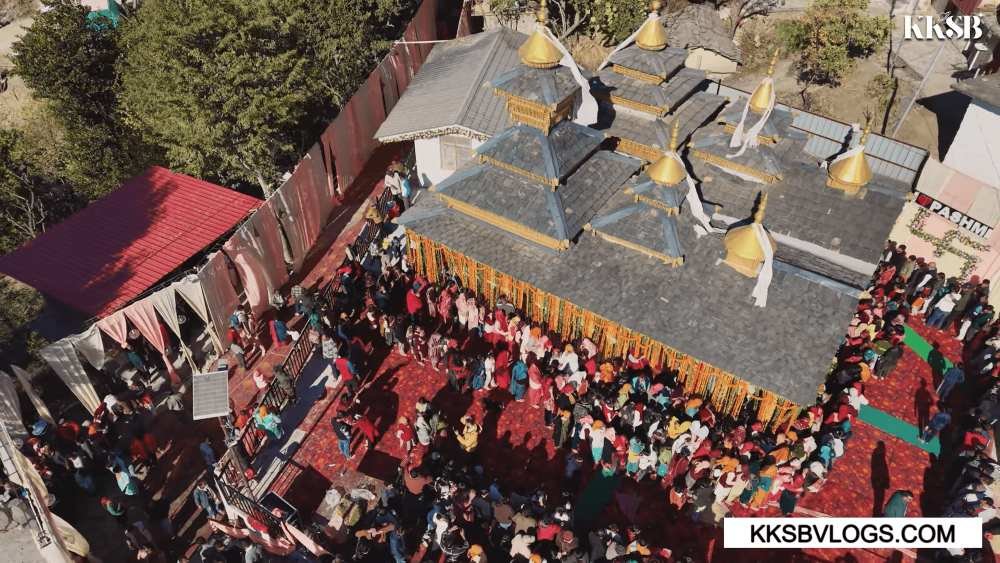
Hanol is considered the most important center of the Mahasu Devta tradition. Situated on the banks of the Tons River, the Hanol temple is the religious and cultural heart of this tradition.
Many people associate Hanol with the Shaiv tradition. The location of the temple, its atmosphere, and the surrounding natural environment strengthen the idea that this place has been a center not only of worship, but also of meditation and discipline.
From here, the Mahasu Devta tradition gets a stable foundation, while the moving form of Chalda Mahasu makes it dynamic.
Mandrath, Koti and Other Sacred Sites
Apart from Hanol, there are many other places associated with the Mahasu Devta tradition. Mandrath, Koti, and other smaller sites are rarely mentioned in written history, but hold deep importance in folk memory.
These places are often:
- Associated with the deity’s migration
- Or connected to some event or folk tale
In this way, the Mahasu Devta tradition does not remain confined to one temple, but appears spread across the entire region.
The Veer of Mahasu Devta – Protectors of Justice
The concept of Veer is very important in the Mahasu Devta tradition. Veer are considered companions and protectors of the deity, who maintain the balance between power and justice.
Among them, Shedkudiya Veer is especially mentioned. The role of the Veer is not only protection, but also to carry forward the decisions of the deity.
This concept shows that in the Mahasu Devta tradition, power and devotion are not separate, but interconnected.
Sending Salt & Cense from Rashtrapati Bhavan – A Unique Tradition
One unique tradition associated with Mahasu Devta is the sending of salt & Cense. According to folk belief, every year salt is sent to Mahasu Devta from the Rashtrapati Bhavan.
Here, salt is considered a symbol of purity, trust, and the relationship with the state. This tradition further strengthens the image of Mahasu Devta as a folk-king, who is believed to deliver justice not only for villages, but for a wider region.
Sacred Goats – Living Symbols
In the Mahasu Devta tradition, some goats are considered sacred. Touching or harming them is considered a sin. These goats are not just animals, but are believed to be living symbols of the deity’s presence.
Behind this tradition lies a sense of non-violence and respect for nature. It reflects the nature-based thinking of hill culture.
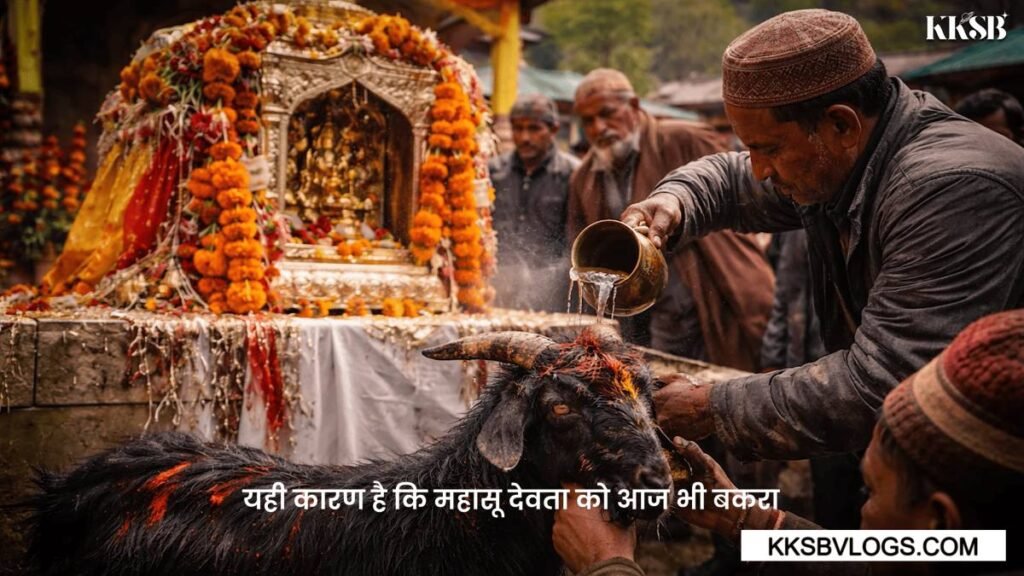
Worship of Mahasu Devta in Himachal Pradesh
In many areas of Himachal Pradesh, Mahasu Devta is worshipped in different forms. Somewhere he is considered the household deity, somewhere the village protector, and somewhere the lord of justice.
This wide spread clearly shows that Mahasu Devta has not remained confined to one region. His tradition has adapted over time to different social and geographical environments.
Faith and History – An Important Difference
In the Mahasu Devta tradition, both folklore and history have their place. Calling every story history is not correct, and calling every belief false is also not right.
Therefore, the right way to understand Mahasu Devta is:
- To see folk belief with devotion
- And history with facts
Only by drawing a clear line between the two can the depth of this tradition be understood.
Why Mahasu Devta Is Still “Living” Today
Mahasu Devta is still living because his tradition has not stopped. The deity’s migration, court, Veer, and folk justice system are still followed in many places.
This tradition is not limited to temples, but has become part of everyday village life. That is why Mahasu Devta is called a living deity.
Conclusion
To understand Mahasu Devta means to understand the society of the Western Himalayas. Here, the deity is not only a subject of worship, but a symbol of justice, discipline, and tradition.
The Mahasu Devta tradition teaches us that belief remains alive only as long as it moves with society. It is this moving tradition that has kept Mahasu Devta alive for centuries.
YouTube: A new travel video is coming very soon—stay tuned for the full Shimla vlog on KKSB Vlogs.
Instagram: Follow @official_kksb for the latest visuals, hidden places, and fresh updates before the video drops.
To Know about the Shoolini Mata documentary, please read the post below.👇
Frequently Asked Questions (FAQs) – Mahasu Devta
Who is Mahasu Devta and where is he worshipped?
Mahasu Devta is a prominent folk deity of the Western Himalayas, worshipped in Jaunsar–Bawar of Uttarakhand and many hill regions of Himachal Pradesh. He is considered the deity of justice and protection.
Is Mahasu Devta a form of Lord Shiva?
Many people associate Mahasu Devta with Shiva, but there is no single consensus. Some consider him part of the Shaiv tradition, while others see him as a separate folk tradition.
Why is Mahasu Devta worshipped as four brothers?
According to folk tradition, Mahasu Devta has four brothers — Basik, Pavasik, Bothiya, and Chalda Mahasu. Together they maintain balance of tradition, justice, and protection.
Why does Chalda Mahasu not have a permanent temple?
Chalda Mahasu is considered a moving deity. According to folk belief, he does not stay in one place, but moves among villages to maintain justice and discipline.
What is the court of Mahasu Devta?
The court of Mahasu Devta is a folk justice system where people bring disputes and social matters. Speaking the truth is considered the greatest rule.
Why is Hanol important for Mahasu Devta?
Hanol is considered the central site of the Mahasu Devta tradition. Located on the banks of the Tons River, it has been a major center of worship and belief.
What is the salt-sending tradition related to Mahasu Devta?
According to folk tradition, salt is sent every year to Mahasu Devta as a symbol of purity, trust, and his role as a folk-king.
Why is Mahasu Devta called a “living deity”?
Mahasu Devta is called a living deity because his traditions — migration, court, and justice system — are still actively followed in many villages today.