1. Introduction – Why is Bhimakali Temple of Sarahan So Special?
While traveling in Himachal, we often stop only at popular places Shimla, Manali, Kufri…
but the real Himachal is hidden in those places where there are fewer tourists and more stories.
Bhimakali Temple of Sarahan is also one such place
where as soon as you reach, you feel that you are not just traveling… but entering into an old story.
As you move ahead of Shimla and cross Narkanda, the roads start becoming narrow, the air becomes a little colder, and the surroundings slowly start changing. When you reach Sarahan, the first thing you notice is complete silence.
No tourist rush, no loud markets…
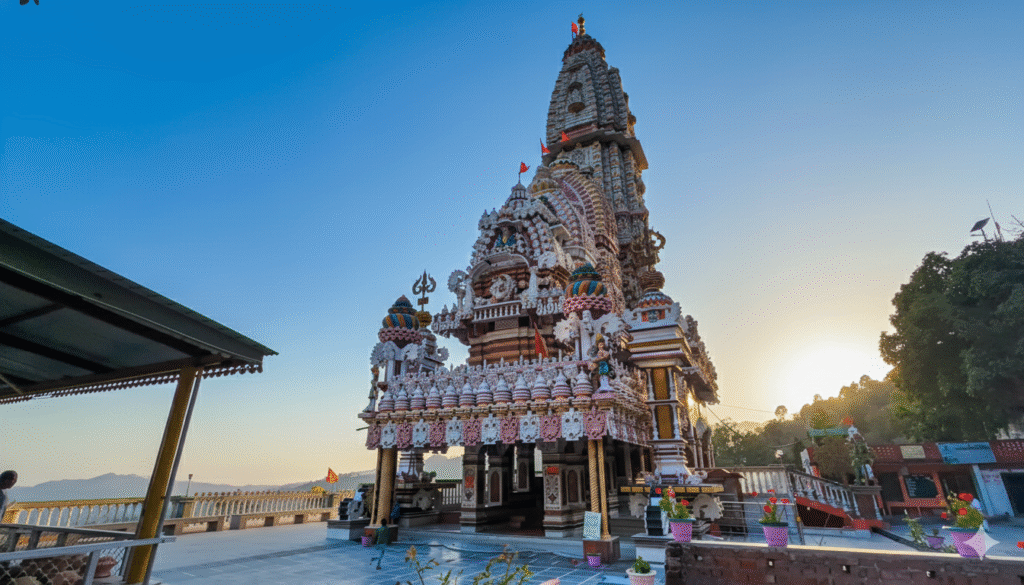
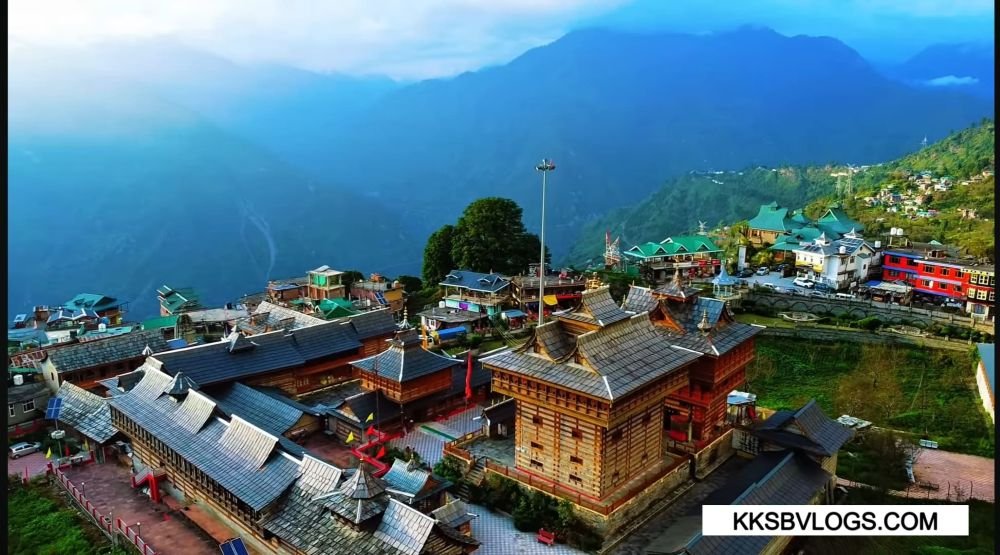
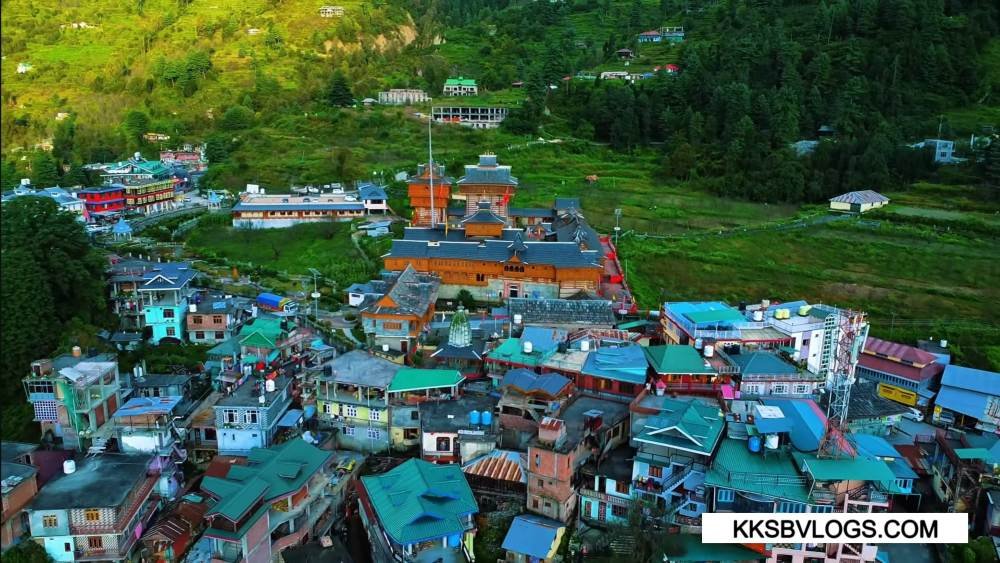
just a peaceful village and in the middle of it stands a wooden temple structure that looks different at first sight itself.
Bhimakali Temple is not just a religious place —
it is a historical, cultural and spiritual landmark where:
- The history of Bushahr princely state is connected
- Local dev traditions are still followed
- And behind every structure, a story is hidden
👉 If you want to explore hidden temples of Himachal,
or want to see a place that is still saved from over-tourism,
then Bhimakali Temple Sarahan is a perfect destination for you.
2. History of Bhimakali Temple Sarahan – Royal Lineage, Folk Stories and Reality
The history of Bhimakali Temple is not like a simple timeline —
it is a layered story where verified history, local beliefs and stories passed through generations all come together.
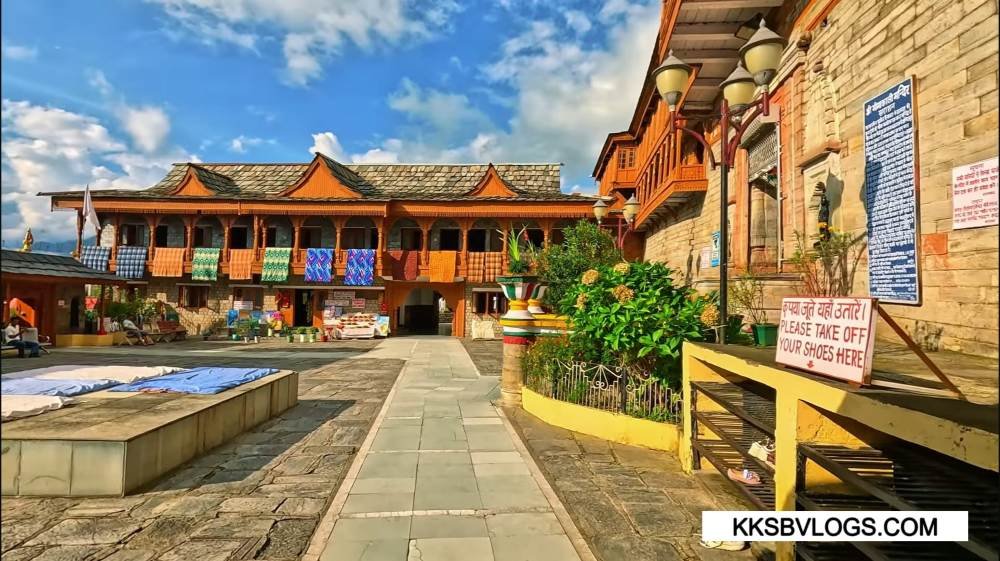
Bushahr State Centre
Sarahan was earlier considered the summer capital of the Bushahr princely state.
This means that this area was not just a village it was a royal administrative centre.
Ramour (Rampur) used to be the winter capital,
and in summers the royal family shifted to Sarahan.
Because of this, the importance of Bhimakali Temple increases even more,
because Maa Bhimakali was considered the kuldevi of the Bushahr royal family.
Before any major decision, war or politics, worship was done here.
Origin of the Temple – Connection of a Saint and the Goddess
Local people tell a story which is still part of the identity of this place.
It is said that a saint came to this place and started doing penance here.
Pleased with his devotion, Maa Kali appeared.
She told the saint:
“Wherever your tongs touch, my temple will be built there.”
The saint asked the king for help and the construction of the temple began.
When the Temple Was Built… But Could Not Stay
This is the most interesting part of the story.
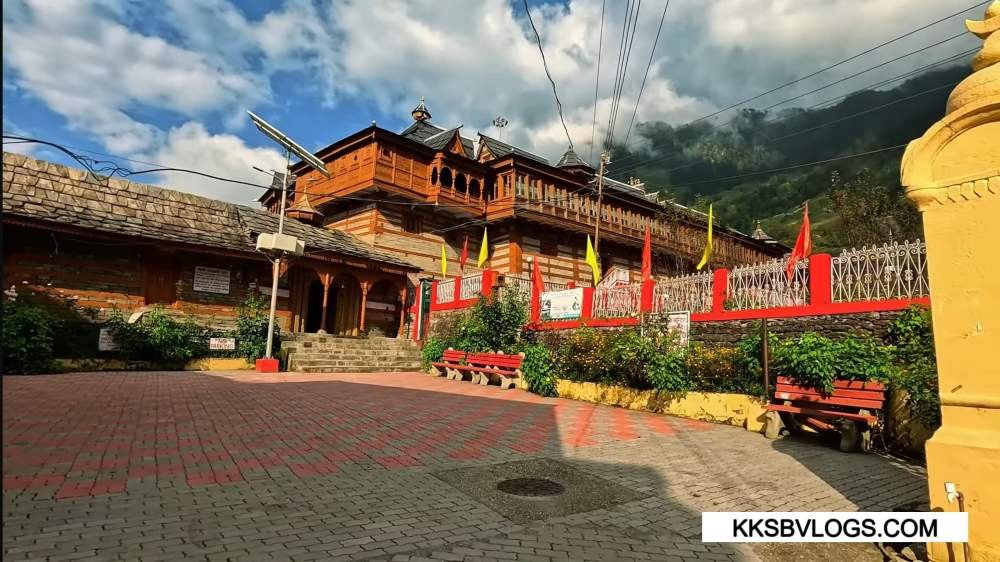
Initially, the temple was being built at another place (near today’s helipad area).
But:
- Work used to happen the whole day
- By night everything collapsed
The king even placed guards, but no reason could be understood.
Then one day Maa appeared in the form of a young girl
and indicated that she does not accept that place.
👉 After this, the current location was chosen
and that temple is stable till today.
Real Context of the Name “Bhimakali”
Most people connect this name with the fierce form of the Goddess,
but here a different interpretation is found.
According to local belief:
- The saint’s name was “Bheema”
- The Goddess got the name “Bhimakali” after him
This is a grounded and local explanation
which makes this place more authentic.
Shakti Peeth or Siddh Peeth – What is the Reality?
This is the most common question visitors ask.
One belief says:
- This is one of the 51 Shakti Peeths
- Sati’s ear fell here
But local tradition says:
- This is a Siddh Peeth
- Connected with the saint’s penance and attainment
There is no strong clear historical proof for either side
So the best understanding is:
👉 This place runs on faith and belief
and both perspectives are respected
3. Architecture of Bhimakali Temple – When Design Also Tells History
As soon as you see the structure of Bhimakali Temple, one thing becomes clear —
this temple is not like other temples at all
This is a rare example of traditional Himalayan architecture
which gives a completely different feel from modern temples.
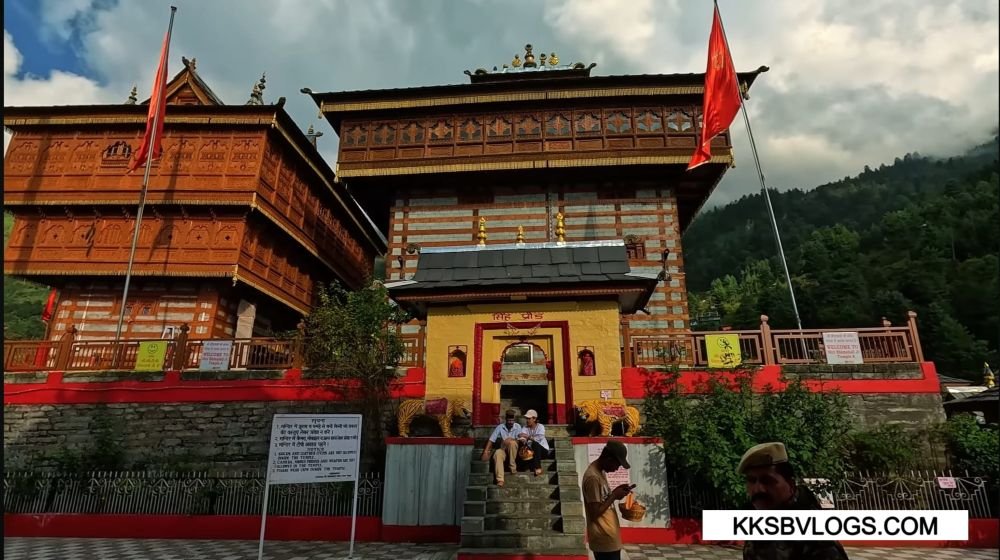
Kath-Kuni Style – Smart Engineering of Himachal
The temple is built with:
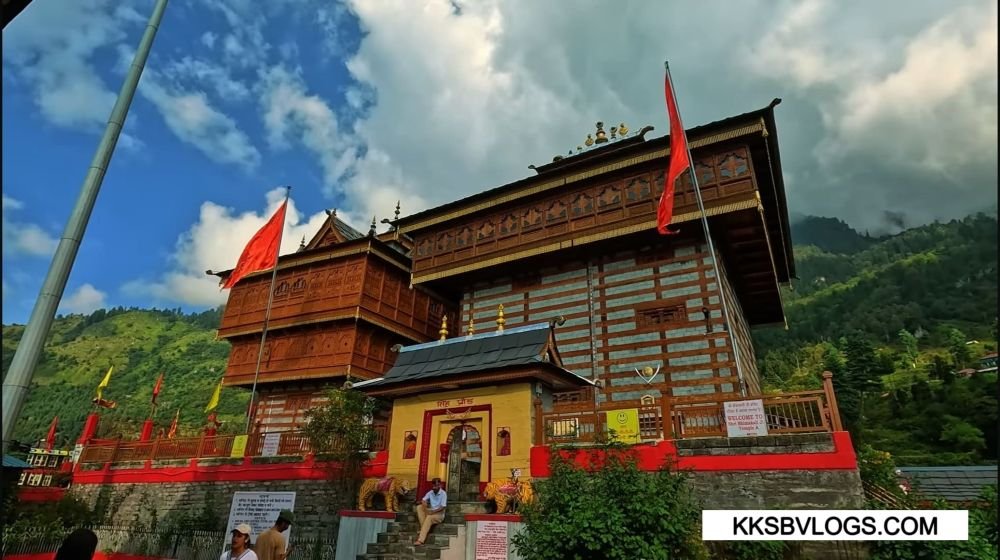
- Alternating layers of wood and stone
This technique is called Kath-Kuni style.
This style is not only aesthetic
it is also practical.
Its benefits:
- Earthquake resistant
- Temperature control
- Long-lasting structure
That is why even today this temple stands strong after so many years.
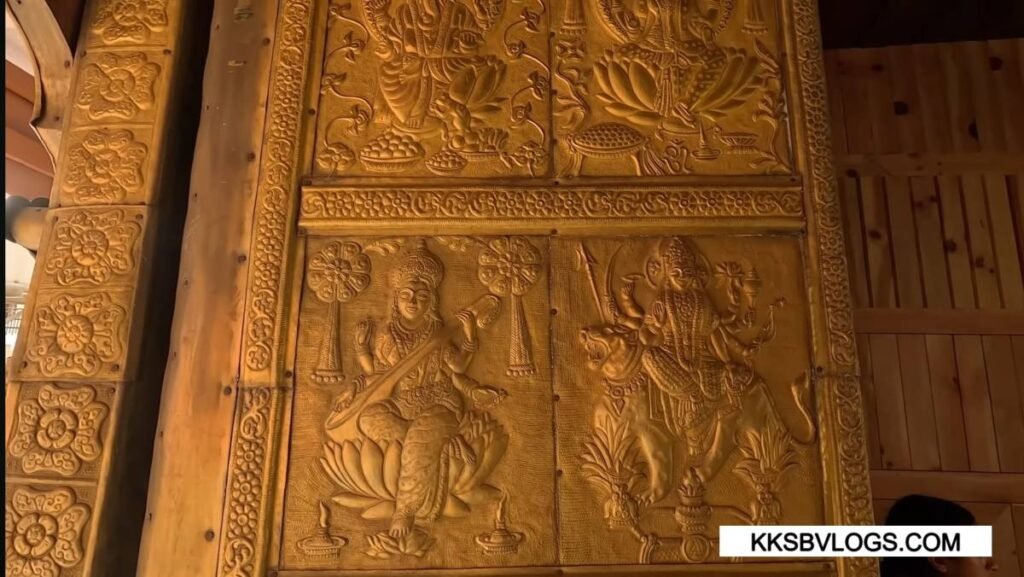
When You Enter Inside…
As soon as you go inside the temple, a different environment is felt.
- Wooden walls
- Detailed carvings
- Slight darkness
- And a natural woody fragrance
All these together create an ancient spiritual atmosphere
which is rarely found in modern marble temples.
Hindu + Buddhist Influence
If you observe the details,
then in the design of the temple not only Hindu elements,
but Buddhist influence is also clearly visible.
This shows that:
Himalayan culture is a mix of traditions
and this temple is a perfect example of it
Two Forms of the Goddess – A Rare Concept
Inside the temple, there are two different forms of the Goddess:
- Upper floor → Kanya form (soft, peaceful energy)
- Lower floor → Powerful divine form
This dual concept shows that
the Goddess is nurturing as well as destructive at the same time
4. Things to Do at Bhimakali Temple Sarahan – Step-by-Step Experience Not to Miss
Bhimakali Temple is not just a place to “visit and leave.”
If you explore it properly, it becomes a complete spiritual + cultural experience.
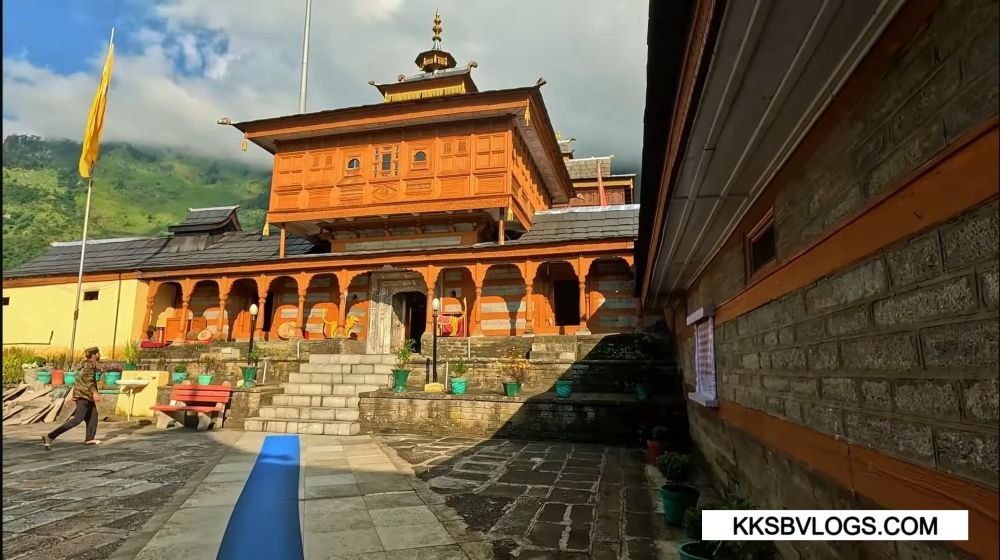
Step 1: Arrival & First Impression
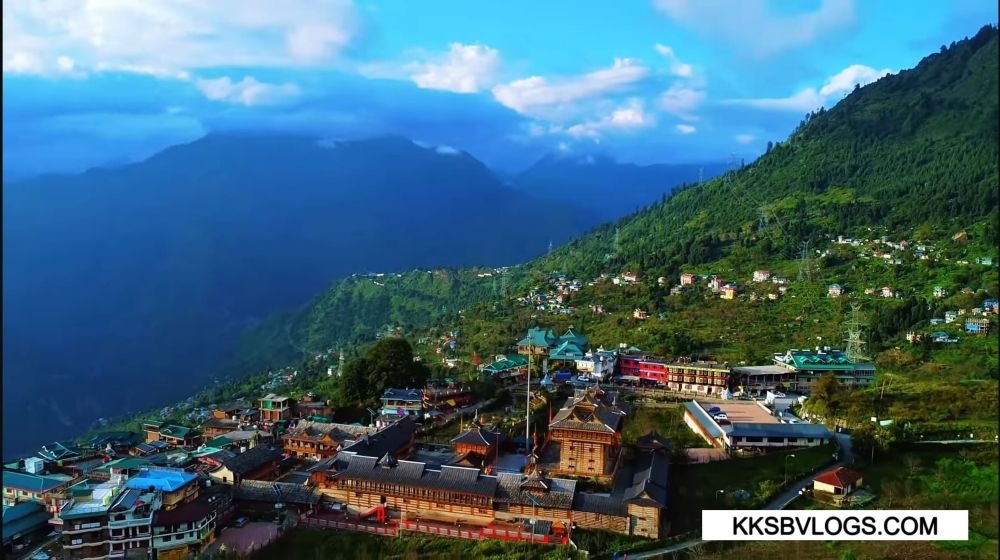
As soon as you reach Sarahan, the temple’s wooden structure is visible from a distance.
Near the entry itself, a different calm environment is felt
no crowd, no noise… just a silent energy.
From here your experience starts.
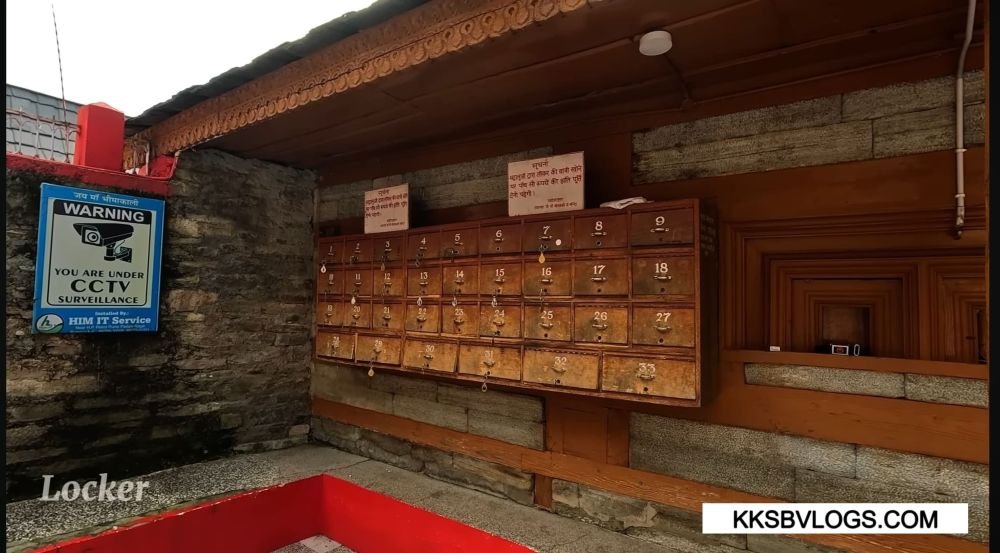
Step 2: Locker & Entry Process
Before entering the temple:
- Phone and camera have to be deposited in the locker
- Shoes have to be removed outside
- Leather items are not allowed
This may feel a bit strict,
but because of this the inside environment remains so peaceful.
Step 3: Main Darshan Experience
As soon as you go inside, a completely different vibe is felt.
- Wooden interiors
- Soft light
- Sound of temple bells
During darshan there is no rush
You can comfortably take your time.
This moment honestly feels the most powerful.
Step 4: Explore the Temple Complex
After darshan, do not come out immediately.
There are more temples inside the complex:
- Raghunath ji
- Shiv ji
- Hanuman ji
- Museum
Every place has its own importance,
and if you observe a little, this whole area feels like a mini spiritual town.
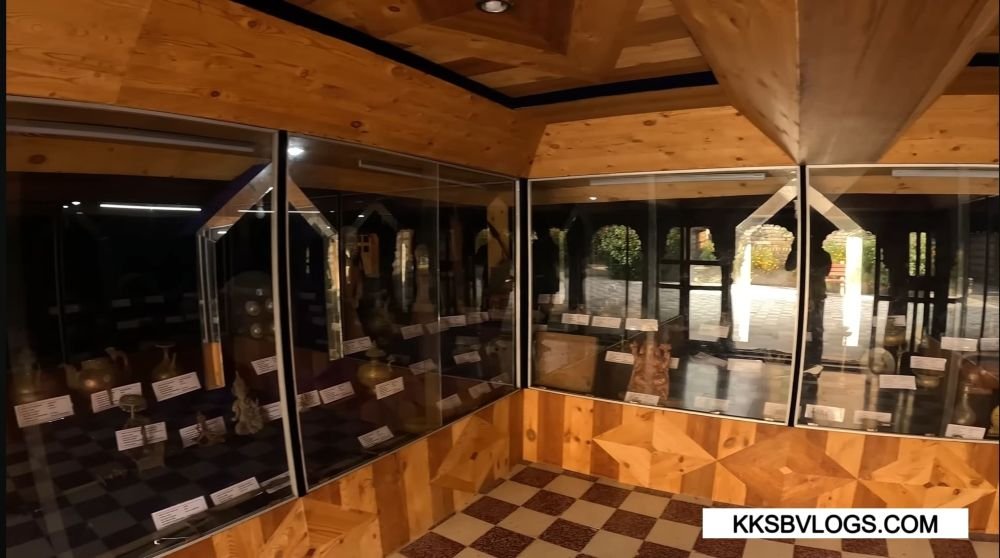
Step 5: Feel the Architecture (Do Not Just See It)
Most people come here only for photos…
but the real thing is to observe.
- Wooden carvings
- Stone structure
- Traditional design
This is a rare chance to understand the real architecture of Himachal.
Step 6: Spend Time in the Surroundings
The area around the temple is very clean and scenic.
- Take a walk
- Sit and enjoy the view
- Feel the fresh mountain air
Skipping this part means missing half the experience.
Must-Try Activities
- Early morning darshan (best peaceful experience)
- Temple photography outside (inside is not allowed)
- Talking to local people (hidden stories are found)
- Enjoying sunset view from Sarahan
5. Festivals & Celebrations In Bhimakali Temple – When Sarahan Shows Its Real Identity
If you see Bhimakali Temple only on normal days,
then you are seeing only one part of it.
The real energy is seen during festivals.
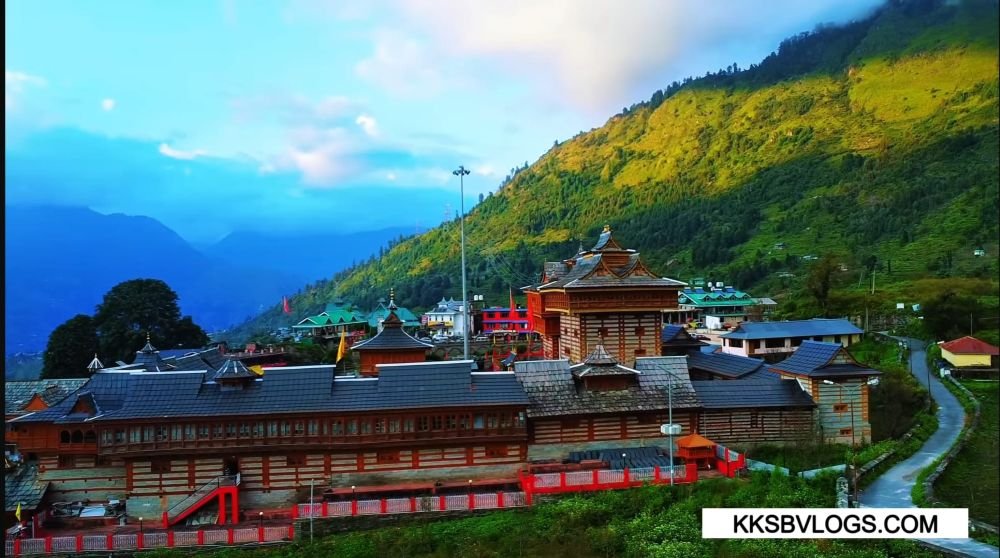
Sarahan Dussehra – A Unique Tradition
Sarahan’s Dussehra is quite different from other Dussehras of Himachal.
What happens here:
- Raghunath ji’s palanquin is taken out
- Different deities are invited
- Traditional rituals are followed
All this happens in an organized and deeply spiritual way.
Real Experience of Dev Culture
During festivals:
- Local people wear traditional dress
- Deity processions take place
- The whole area gets filled with a cultural vibe
This is not just a festival,
but a live experience of Himachal’s dev tradition
Seasonal Highlights
- Summer → Clear weather + festivals
- Autumn → Cultural events + best views
- Winter → Snow + silent spiritual vibe
6. How to Reach Bhimakali Temple Sarahan – Complete Travel Guide
Reaching Sarahan may feel a bit long,
but the journey itself is an experience.
By Air
Nearest airports:
- Shimla Airport (~186 km)
- Chandigarh Airport (~288 km)
By Train
Nearest railway stations:
- Shimla (toy train route)
👉 From Shimla, taxi or bus is easily available.
By Road (Most Preferred Option)
Route:
👉 Shimla → Narkanda → Rampur → Sarahan
Distance: ~165 km from Shimla
Time: 6–7 hours approx
Roads are scenic,
but the last stretch is a bit narrow and winding.
Local Transport Options
- Private taxi (best option)
- Himachal Roadways buses (budget friendly)
- Self-drive (for experienced drivers)
👉 Tip:
Avoid night driving roads can be tricky
7. Best Time to Visit Bhimakali Temple Sarahan
Bhimakali Temple gives a different experience in every season, but the ideal time depends on what you want to feel.
March to June (Best for First-Time Visitors)
- Pleasant weather
- Clear mountain views
- Comfortable travel
September to November (Best for Photography)
- Clean skies
- Less crowd
- Scenic landscapes
December to February (Snow Experience)
- Snowfall possible
- Cold but magical vibe
July to August (Avoid)
- Heavy rainfall
- Landslide risk
- Travel issues
8. Visitor Information – Know This Before Visiting Bhimakali Temple
Before visiting Bhimakali Temple, it is important to be clear about some basic things,
because some rules here are strict and honestly, that is what also maintains the purity of this place.
Entry Fee In Bhimakali Temple
Temple entry: Free
Locker facility: Usually free or minimal charge
👉 There is no hidden charge or tourist trap type scene here, which is a good thing.
Bhimakali Temple Timings
Morning: 6:00 AM – 7:00 PM
👉 Early morning visit remains best
it stays peaceful and darshan happens comfortably.
Rules & Regulations
The rules here may feel a little strict, but following them is necessary:
❌ Mobile phones are not allowed
❌ Photography is strictly banned (inside)
❌ Leather items are not allowed
✅ Shoes have to be removed outside
✅ Belongings have to be deposited in the locker
👉 All this ensures that the environment inside remains sacred.
Practical Travel Tips
- Go early in the morning you will get less crowd
- Carry cash (there may be network issues)
- Parking may be limited in peak season
- Wear comfortable shoes (a little walking has to be done)
Safety & Dress Code
- Wear modest clothing (for temple respect)
- In winters definitely carry heavy woolens
- In rainy season keep extra caution
👉 Overall, this is a safe destination and family friendly too.
9. Our Experience at Bhimakali Temple Sarahan – A Moment That Stays in Memory
When we reached Sarahan, honestly the expectation was simple —
we have to see one more Himachal temple.
But the experience we got… was quite different from that.
As soon as we reached near the temple, the first thing we felt was complete silence.
No market noise, no tourist crowd… just cold air and the sound of a bell coming from a distance.
After keeping the phone in the locker, when we entered inside,
suddenly the environment changed.
Wooden walls, dim light, and a natural kind of smell —
it felt as if we had come into an old time.
There was no rush during darshan.
We stood comfortably… without any distraction.
And maybe that was the most powerful part —
no phone, no photo… only that moment.
Later we spent some time outside,
talked to local people — they told some such stories which are not found anywhere online.
At a small nearby shop we had tea…
and honestly, even the taste of that simple tea felt different.
This place does not impress you in a flashy way —
it slowly-slowly makes you feel it.
10. Nearby Attractions Around Bhimakali Temple Sarahan
If you have come all the way to Sarahan, then going back only after seeing the temple will feel a little incomplete. There are some such places nearby which make this whole experience even more meaningful.
Jeori Hot Springs
As soon as you go a little down from Sarahan, near Jeori there comes a place where there are natural hot water springs. On seeing it for the first time, it feels a little strange how such hot water is coming out in between cold mountains.
Local people consider it quite sacred and many people also bathe here. If you are on the way, then stopping here for 15–20 minutes gives a completely different experience.
Rampur Bushahr
About 40 kilometers from Sarahan, Rampur is an old town, but the vibe here is different from other hill towns.
It used to be the winter capital of the Bushahr princely state, so a different feel of history comes here.
By going here you can:
- See old markets
- Observe local life
- And can feel a little authentic Himachal
Sarahan Palace
Just near the temple itself there is an old royal palace, which people often miss.
This is the same palace that is connected with the Bushahr royal family. Its architecture and surroundings both give a very calm and royal feel.
If you have even a little interest in history or architecture, then you should definitely spend some time here.
Shanti Kunj
This is not a touristy spot, but maybe that is its biggest specialty.
Shanti Kunj is such a place where you can just sit… without any distraction.
After the temple, if you want to spend some time with yourself, then this place is perfect.
No crowd, no noise just a simple, peaceful environment.
Simple Tip
If there is time, then explore these places comfortably.
If you roam in a hurry, then you will only get photos…
but if you stop a little and see, then you will get the experience.
11. Bhimakali Temple Sarahan – Location, Photos & Videos
👉 This section will be useful for travel planning:
YouTube: A new travel video is coming very soon—stay tuned for the full Shimla vlog on KKSB Vlogs
Instagram: Follow @official_kksb for the latest visuals, hidden places, and fresh updates before the video drops.
Google map of Bhimakali Temple:
FAQs – Bhimakali Temple Sarahan (Complete Visitor Guide)
Bhimakali Temple is located in Sarahan village of Kinnaur district, Himachal Pradesh. It is approximately 180 km from Shimla and about 40 km from Rampur.
Is Bhimakali Temple a Shakti Peeth?
Some people consider Bhimakali Temple as one of the 51 Shakti Peeths, but according to local beliefs it is considered a Siddh Peeth. Both beliefs run parallel here.
What is the history of Bhimakali Temple?
This temple is connected with the kuldevi of the Bushahr princely state. According to local stories, after the penance of a saint, Maa Bhimakali appeared and on her saying the temple was constructed.
What is the best time to visit Bhimakali Temple Sarahan?
March to June and September to November are considered the best time to visit. During this time the weather remains pleasant and the views are clear.
Is photography allowed in Bhimakali Temple?
No, photography is strictly banned inside the temple. Outside, you can do photography.
What are the timings of Bhimakali Temple?
The temple generally remains open from 6 in the morning till 8 in the evening, but there may be a break in between. Going early in the morning remains best.
How can one reach Bhimakali Temple?
You can easily reach Sarahan by road through Shimla or Chandigarh. The nearest railway station is Kalka and the nearest airport is Shimla or Chandigarh.
Is Bhimakali Temple suitable for a family trip?
Yes, this is a safe, peaceful and family-friendly destination where people of every age group can visit.
What is special in Bhimakali Temple?
The specialty of this temple is its Kath-Kuni architecture, peaceful environment and historical importance connected with the Bushahr princely state.
Are stay options available in Sarahan?
Yes, hotels, guest houses and temple accommodation options are available in Sarahan which are available from budget to mid-range.