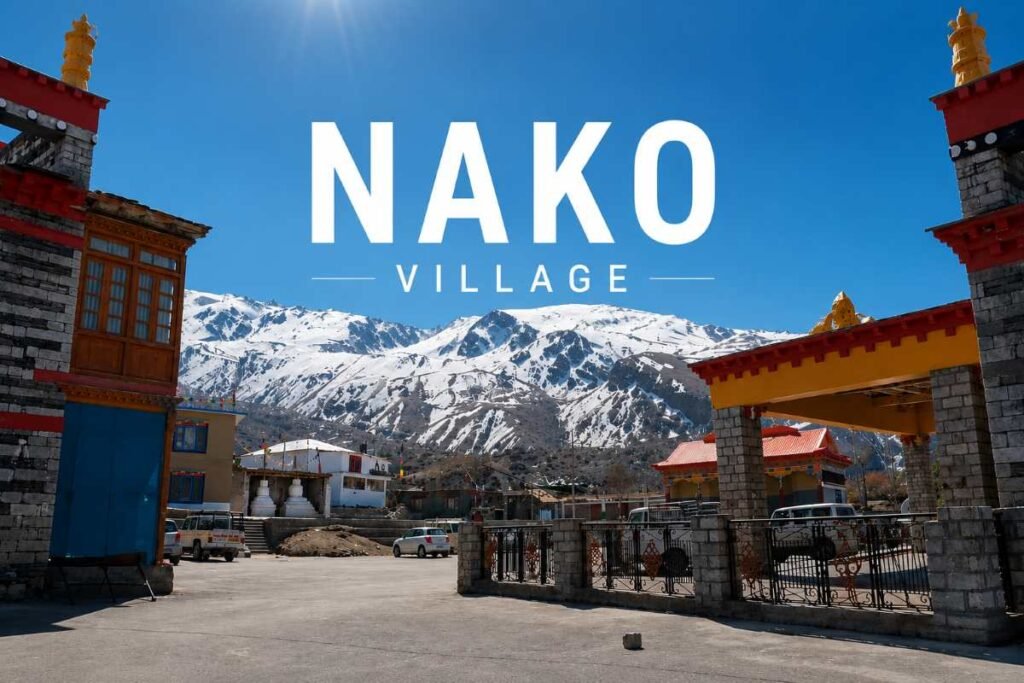
Nako Village & Lake Kinnaur
Located in the Kinnaur district of Himachal Pradesh, Nako Lake is among those rare places where nature, faith, and mystery can be seen together. Nestled amidst the high Himalayan mountains, Nako Village is known for its traditional culture and Buddhist heritage, but the biggest identity of this village is the Nako Lake located here. For centuries, this lake has remained the center of faith for local people, and many beliefs associated with it make it different from ordinary lakes.
Today, Nako Lake is not only a tourist destination but also an important part of Kinnaur’s cultural and religious identity. Stories related to the lake mention Guru Padmasambhava, local deities, and mysterious events, because of which a large number of tourists and devotees reach here every year.
What is Nako?
Nako is a natural Lake in high Himalayan lake located in Nako Village of Kinnaur district, Himachal Pradesh. Situated at an altitude of approximately 3,661 metres, this lake is known for its natural beauty, Buddhist heritage, and religious significance. The lake is located in the center of Nako Village and is considered a major center of faith for local people.
Why is Nako Lake Famous?
Nako Lake is famous because of its mysterious stories, connection with Guru Padmasambhava, Buddhist culture, and religious importance. According to local beliefs, this lake is not merely a natural water body but a sacred site where a large number of devotees and tourists arrive every year.
Where is Nako Lake Located?
Nako Lake is located in the middle of Nako Village in the Hangrang Valley of Kinnaur district, Himachal Pradesh. This place is situated near the India-China border and falls on the route connecting Kinnaur to Spiti Valley.
What is the Mystery of Nako Lake?
The biggest mystery of Nako Lake is believed to be related to its water source. Local people say that no clear source can be seen from where water enters or exits the lake, yet it remains filled with water throughout the year. Apart from this, many folk stories are also prevalent regarding the actual depth of the lake.
Is Nako Lake a Religious Place?
Yes, Nako Lake is considered one of the most important religious sites of Kinnaur. Its connection is seen with Guru Padmasambhava, Buddhism, and beliefs related to local deities. Many religious sites, stupas, and Buddhist monasteries are located around the lake.
What is the Connection Between Guru Padmasambhava and Nako Lake?
According to local traditions, Guru Padmasambhava stayed in the Nako region during his journey to Tibet and meditated here. It is believed that because of him, the religious importance of this area increased, and even today many sacred places associated with his memories exist around Nako Lake.
Where is Nako Village & Lake Located?
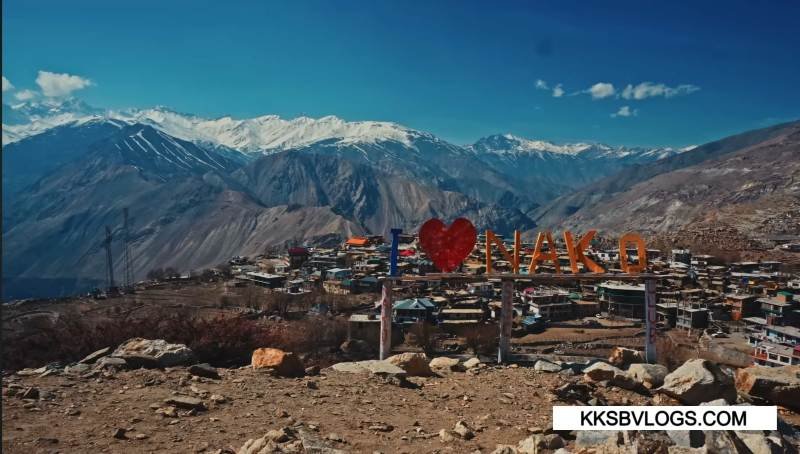
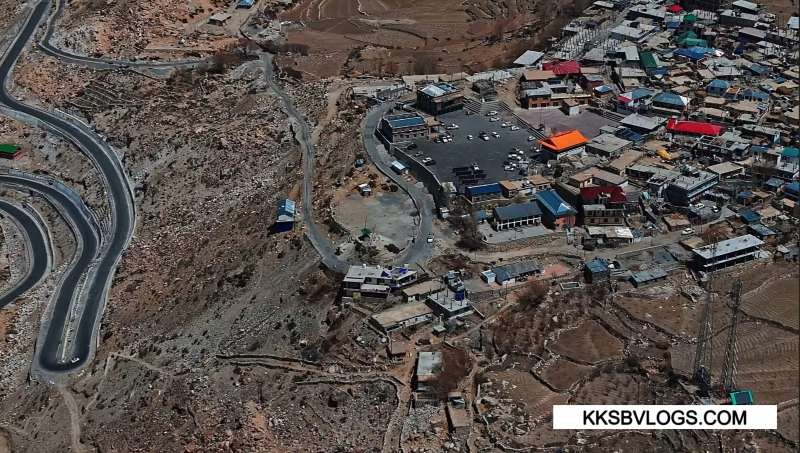
Nako Lake is situated right in the middle of Nako Village in the Hangrang Valley of Kinnaur district, Himachal Pradesh. This village is located near the India-China border at an altitude of approximately 3,661 metres above sea level. Situated on the route from Kinnaur to Spiti Valley, this small village is known for its natural beauty, Buddhist culture, and peaceful environment.
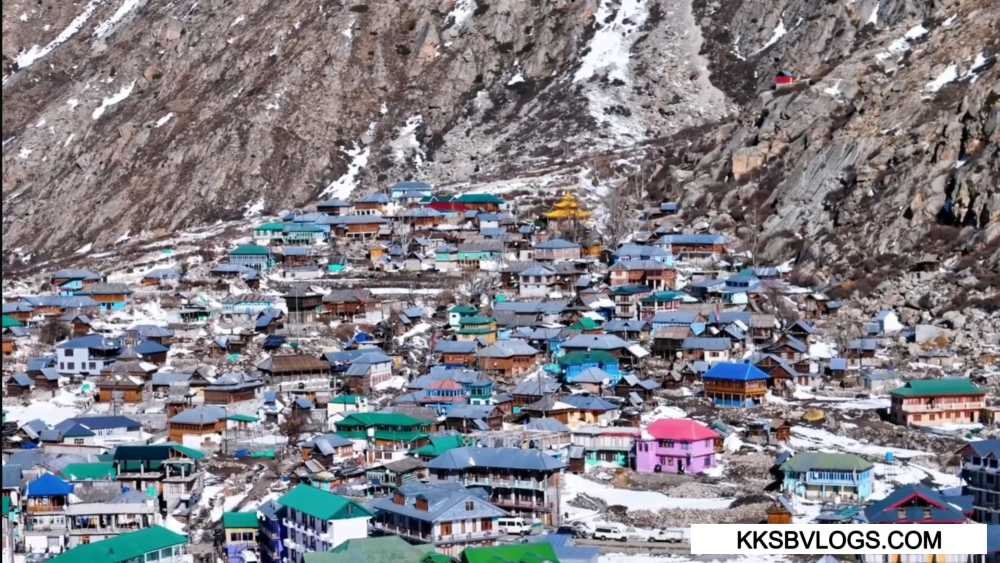
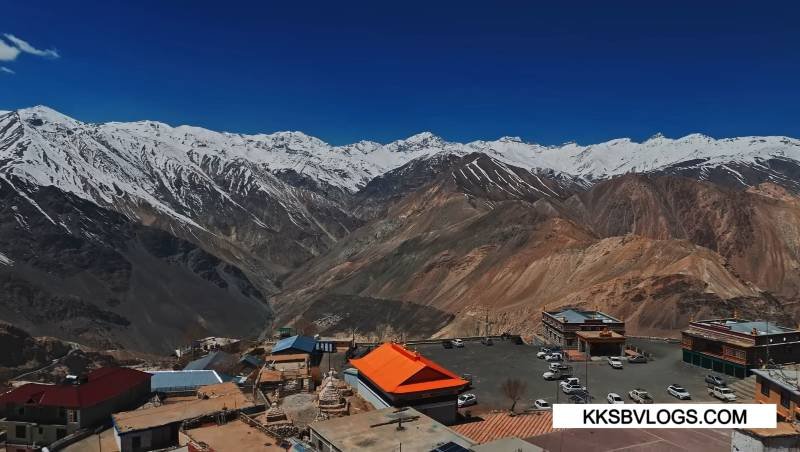
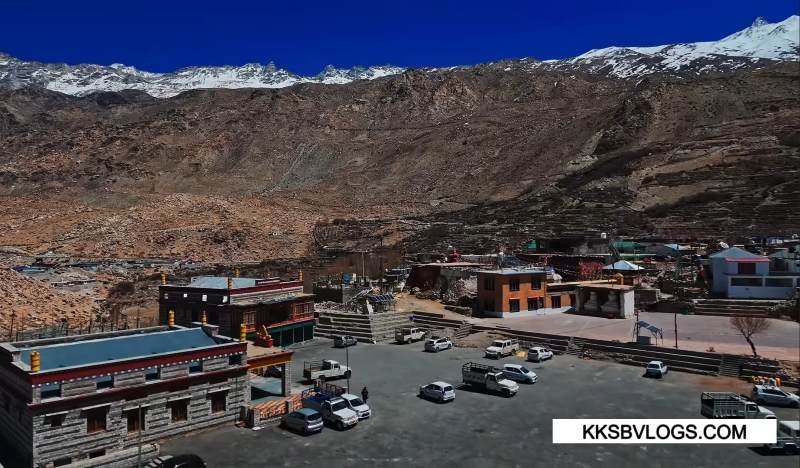
Since the lake is located at the center of the village, it is considered an important part of the lives and religious traditions of the local people. Around the lake, traditional Kinnauri houses, prayer wheels, stupas, and Buddhist religious sites can be seen, making this place even more attractive.
Nako Village at 3,661 Metres Above Sea Level
Located at an altitude of approximately 3,661 metres, Nako Village is considered one of the highest inhabited villages in Kinnaur. Due to its high altitude, the weather here remains quite different throughout the year compared to normal hill regions. Heavy snowfall occurs here in winters, while the weather remains pleasant during summers.
This altitude also gives Nako Lake a special identity. The barren mountains, blue sky, and peaceful environment around it provide visitors with a completely different experience. Many tourists consider it the most peaceful and beautiful halt of the Kinnaur and Spiti journey.
History of Nako Village & Lake
The history of Nako Lake is connected with local traditions, Buddhist beliefs, and centuries-old folk stories. Village elders believe that this lake has been a part of this region for thousands of years and has long remained a center of faith for local people. Although no clear historical record of its formation is available, the people of Nako Village have been narrating its story from generation to generation.
Since ancient times, cultural and religious relations existed between Kinnaur and Tibet. Because of this, the influence of Buddhism is also deeply visible in the Nako region. According to local history, Nako Lake was not only a natural water source but also an important part of the village’s social and religious life. For years, religious rituals, prayers, and traditional activities have been conducted here.
Even today, Nako Lake is considered a symbol of Kinnaur’s cultural heritage. This is why tourists coming here do not only come to see its beauty but also wish to know the history and beliefs hidden behind it.
Connection of Nako Lake with Guru Padmasambhava
The most famous religious connection of Nako Lake is believed to be with the great Buddhist master Guru Padmasambhava. According to local beliefs, when Guru Padmasambhava was travelling towards Tibet, he stayed in the Nako region for some time. It is said that he meditated and practiced spiritual discipline here, due to which this place later became famous as an important religious center.
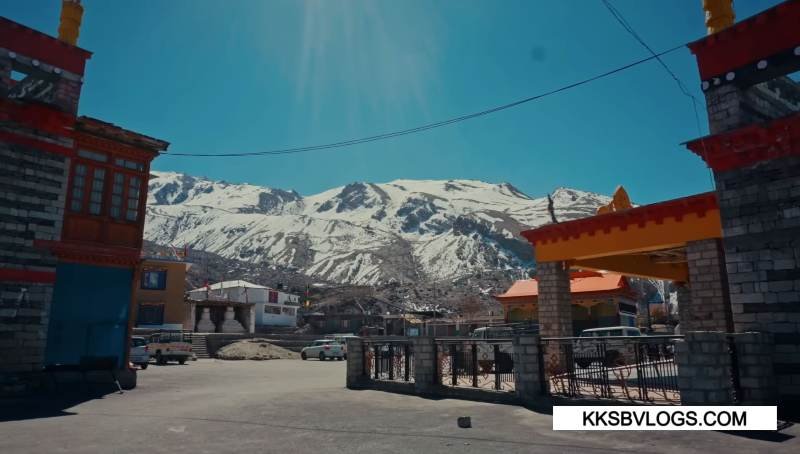
In Buddhist traditions, Guru Padmasambhava is considered the principal figure responsible for spreading Buddhism in Tibet. Local people believe that his arrival in the Nako region was an important event that enhanced the spiritual significance of this place. This is why even today the lake and the religious sites around it are viewed with great reverence.
Guru Padmasambhava is mentioned in many religious sites and folk stories of Nako Village. According to village elders, he not only rested here but also blessed the region with spiritual energy. Because of this, Nako Lake is seen not merely as a natural lake but also as a sacred religious place.
The Role of Guru Padmasambhava in Local History
Guru Padmasambhava holds an extremely important place in local history and folk beliefs. It is believed that after his arrival, the influence of Buddhism in the Nako region became even stronger. Even today, the stupas, prayer sites, and religious structures visible around the lake remind visitors of this spiritual heritage.
Many local people also believe that Guru Padmasambhava freed this region from negative forces and paved the way for peace and prosperity here. Even if historical evidence for these beliefs is limited, his contribution to the cultural identity of Nako Village is still clearly visible today.
The Mystery Behind Nako Lake
Nako Lake is considered one of the most mysterious lakes of Kinnaur. While its beauty attracts people, its mysterious stories increase people’s curiosity even more. According to local people, several mysteries related to this lake still do not have a clear answer.
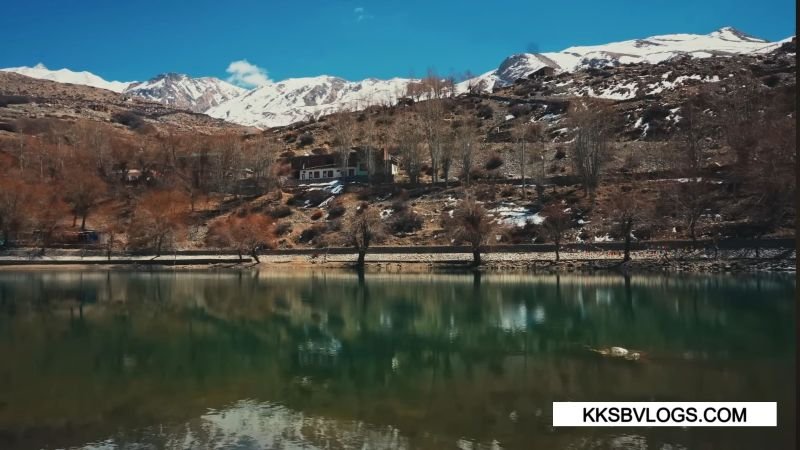
For centuries, village elders have narrated different stories about this lake. Some beliefs connect it with Guru Padmasambhava, while others are related to local deities and supernatural events. This is why Nako Lake remains not only a tourist destination but also an important center of local folklore and religious faith.
Even today, many tourists visiting here are interested in knowing the mysterious stories hidden behind the lake along with enjoying its peaceful atmosphere. This mystery has made Nako Lake one of the most talked-about lakes in Kinnaur.
Water Source Mystery of the Lake
The biggest mystery associated with Nako Lake is believed to be its water source. Local people say that there is no visible source showing where the water comes from and where it goes. Despite this, the lake remains full of water throughout the year.
According to villagers, this question has remained in people’s minds for years. Although naturally the lake may receive water from underground sources, local beliefs consider it a miraculous feature. This is why this mystery still remains an important part of the identity of Nako Lake.
How Was Nako Lake Formed According to Local Beliefs?
There is a very interesting and popular belief among local people regarding the formation of Nako Lake. According to the village elders, when Guru Padmasambhava reached the Nako region during his journey to Tibet, he spent some time here in meditation and spiritual practice. It is said that after his meditation ended, this lake suddenly came into existence in the middle of the village.
According to local beliefs, before the formation of the lake, this region faced a shortage of water. But after Nako Lake came into existence, the village received a permanent source of water and positive changes came into the lives of the people. For this reason, villagers see this lake not only as a natural heritage but also as a divine blessing.
Although scientifically the formation of the lake may be considered the result of natural geological processes, in local culture this story related to Guru Padmasambhava is still narrated with the same devotion as it was centuries ago. This story gives Nako Lake a unique identity among the other lakes of Kinnaur.
What is the Mystery of Nako Lake?
The most discussed mystery of Nako Lake is believed to be related to its origin and water source. Local people believe that the formation of the lake was not the result of any ordinary natural event but was connected with a spiritual occurrence.
Because of this, many people consider it not just a lake but a sacred and mysterious place. Stories related to the lake, beliefs associated with Guru Padmasambhava, and questions regarding its water source continue to remain subjects of curiosity even today. Most tourists coming to Nako wish to know these mysterious stories hidden behind the lake along with witnessing its beauty.
Footprints of Guru Padmasambhava Near Nako Lake
One of the most important religious beliefs associated with the surroundings of Nako Lake is connected to the footprints of Guru Padmasambhava. According to local people, when Guru Padmasambhava was departing from the Nako region, he stepped on a stone near the lake. It is believed that the impressions of his feet became imprinted on that stone, which remain an object of reverence even today.
Local residents believe that this stone is proof of the presence of Guru Padmasambhava. For this reason, it is considered extremely sacred, and devotees from far-off places come here for its दर्शन. This belief holds a special place in the religious identity of Nako Village.
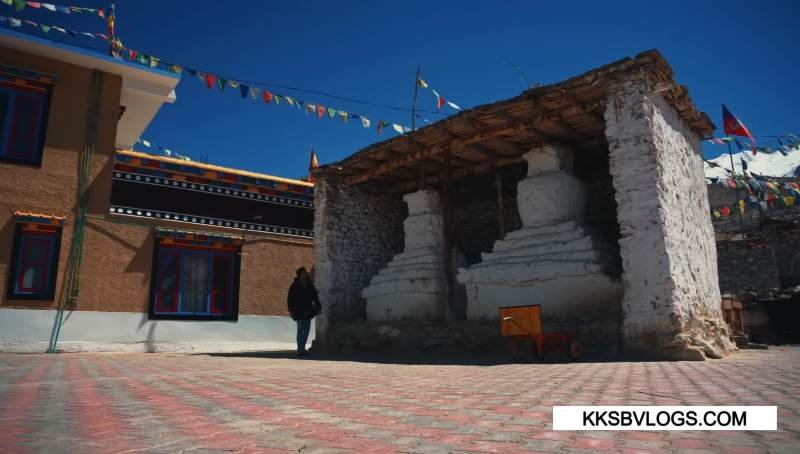
Sacred Stone with Guru Padmasambhava’s Footprints
The stone believed to bear the footprints of Guru Padmasambhava has been preserved in a village temple. His idol is also installed in the temple, and both are worshipped with equal devotion.
For local people, this is not merely a stone but an important part of their religious heritage. Many devotees believe that visiting this sacred place brings positive energy and mental peace. This is why most religious travelers visiting Nako make sure to visit this place.
The Legend of Devta Purgyul and Fairies In Nako Village
Nako Lake is not only associated with Buddhist beliefs but also with several local folk stories. One such story is related to local deity Devta Purgyul and fairies. According to village elders, in ancient times fairies used to come with Devta Purgyul to participate in the Phulaich festival organized near the lake.
Local folklore states that many mysterious activities could be seen around the lake during the night. Village elders have been mentioning these events for generations. Although there is no scientific evidence for these stories, they continue to hold special importance in local culture and traditions.
Stone with the Handprints of Devta Purgyul
According to local belief, Devta Purgyul also left the impressions of his hands on a stone located near the lake. It is said that this stone is still preserved in the same temple where the stone bearing the footprints of Guru Padmasambhava is kept.
For villagers, this stone is an important symbol of their faith and tradition. This is why the temple is considered not only a religious site but also an important center preserving the history, culture, and folk beliefs of Nako Village.
Religious Importance of Nako Lake
Nako Lake is not only a natural lake but also a center of deep religious faith for local people. For centuries, this lake has remained an important part of the religious life of people living in Nako Village and surrounding areas. Devotees visiting here consider the lake sacred and regard its visit as auspicious.
According to local beliefs, Nako Lake is connected with Guru Padmasambhava and the ancient religious history of the region. This is why the temples, stupas, and religious places located around the lake hold special significance for people. On religious occasions, local people also participate in worship and traditional rituals here.
Many devotees visiting Nako believe that seeing this lake and spending time around it brings mental peace. For years, this place has remained a center of people’s faith and devotion.
Why Nako Lake Is Considered Sacred
Local people believe that Nako Lake is not an ordinary natural water body but a sacred place blessed by divine powers. Stories related to Guru Padmasambhava and beliefs connected with local deities have made this lake even more important from a religious perspective.
For this reason, the entire area around the lake is considered a center of devotion. Many people visiting here pray beside the lake and consider it a place filled with spiritual energy. This faith places Nako Lake among the most important religious sites of Kinnaur.
Nako Village & Lake and Buddhism
Nako Lake is believed to have a deep connection with Buddhism. Cultural and religious relations have existed between Kinnaur and Tibet for a long time, due to which the influence of Buddhism is clearly visible throughout this region. Nako Village is also an important part of this religious tradition.
According to local beliefs, after the arrival of Guru Padmasambhava in Nako, the religious significance of this region increased even further. Even today, many Buddhist religious structures, stupas, and prayer sites exist around the village and the lake, reflecting its rich Buddhist heritage.
The environment around Nako Lake also presents a glimpse of Buddhist culture. Prayer flags, religious symbols, and traditional Buddhist architecture introduce visitors to Himalayan Buddhist culture.
Buddhist Monasteries Around Nako Village
Several important Buddhist monasteries and religious sites are located in and around Nako Village. Worship and religious rituals are regularly performed at these places. Local Buddhist lamas conduct religious activities here and carry forward the spiritual traditions of the region.
The significance of these monasteries and stupas is not only religious but also historical. This is why, along with Nako Lake, the Buddhist religious sites here remain major attractions for tourists and devotees.
Why Do People Circumambulate Nako Lake?
Circumambulating Nako Lake is considered one of the most important religious traditions here. Local people and devotees believe that walking around the lake brings spiritual peace and fills life with positive energy.
For centuries, people have walked around the lake with devotion and offered prayers. Many devotees consider it a way of earning religious merit, while others regard it as an important part of their spiritual journey. The peaceful atmosphere surrounding the lake makes this experience even more special.
According to local beliefs, circumambulating Nako Lake helps a person free themselves from negative thoughts and mental stress. This is why not only religious travelers but also many tourists become part of this tradition.
Unsolved Mysteries of Lake In Nako Village
Several mysteries associated with Nako Lake continue to remain a topic of discussion among local people and tourists even today. Many beliefs exist regarding the origin of the lake, its water source, and its actual depth. Although attempts have been made over time to understand many things scientifically, some questions still continue to fascinate people.
These mysteries have made Nako Lake not just a natural tourist destination but also a place where history, folklore, and faith appear interconnected. This is why visitors wish to know its mysteries along with admiring its beauty.
Local Beliefs About the Depth of the Lake
Many elders of Nako Village believe that the actual depth of the lake has never been fully measured. Local folklore says that the lake contains many secrets within it and its depth may be far greater than common estimates.
Although there is no official evidence for these beliefs, these stories passed down through generations have strengthened the mysterious image of Nako Lake even further. This is why the lake continues to remain a subject of both faith and curiosity.
Best Time to Visit Nako Lake
The best time to visit Nako Lake is considered to be between May and October. During this period, the weather remains comparatively pleasant and road routes generally remain open. In the summer months, the temperature here remains comfortable, allowing tourists to easily explore the lake, village, and surrounding areas.
During the monsoon season, there remains a possibility of landslides in some areas of Kinnaur, so it is always better to check weather and road conditions before traveling. During winters, the scenery of Nako Village and the lake changes completely. Due to heavy snowfall, the entire region gets covered with a white blanket, which looks extremely beautiful.
Although winter travel can be adventurous, it is not suitable for every traveler because of extreme cold and road-related challenges. Therefore, most tourists prefer visiting Nako Lake between May and October.
What is the Best Time to Visit Nako Lake?
If you want clear weather, better road connectivity, and a comfortable travel experience, then the period from May to October is considered the most suitable. During this time, the natural beauty of the lake is at its peak and the surrounding mountains also appear magnificent.
This period is also considered the best for photography, closely experiencing village culture, and enjoying the peace of Nako Lake.
How to Reach Nako Lake
The most popular route to reach Nako Lake is the Hindustan-Tibet Road (NH-5). This route connects many major cities of Himachal Pradesh with Kinnaur. Most travelers begin their journey from Shimla and reach Nako Village via Rampur, Reckong Peo, and Pooh.
Reaching Nako by road is considered a wonderful experience in itself. During the journey, travelers get to see the Sutlej River, high mountains, deep valleys, and traditional villages of Kinnaur. This is why many travelers consider this route one of the most beautiful road trips in Himachal Pradesh.
After reaching Nako Village, the lake can be easily visited as it is located in the center of the village. Tourists can walk around and explore the lake and nearby religious sites.
How Can Tourists Reach Nako Village & Lake?
By Road: Nako can be reached from Shimla through NH-5 via Rampur, Reckong Peo, and Pooh.
By Bus: Some buses of Himachal Road Transport Corporation (HRTC) operate up to the Kinnaur region.
By Private Vehicle: Most tourists travel to Nako through private vehicles or taxis.
Nearest Major Town: Reckong Peo is the major town of Kinnaur, from where Nako can be reached further by road.
Considering the long distance and high altitude, proper travel planning is always considered better.
Things to See Near Nako Lake
There are many places around Nako Lake that reflect the religious, cultural, and natural heritage of this region. Most tourists do not limit themselves only to the lake but also visit important places located in and around Nako Village. This is why Nako offers not just a lake but a complete travel experience.
The narrow village lanes, traditional Kinnauri houses, Buddhist religious sites, and Himalayan views provide travelers with the experience of an entirely different world. If you are visiting Nako Lake, you should also include these nearby places in your journey.
What are the Main Attractions Near Nako Lake?
Nako Monastery
Nako Monastery is the most famous religious site in Nako Village. It is considered an important place for understanding the Buddhist heritage of the region.
Guru Padmasambhava Temple
This temple holds special importance among devotees because of the local beliefs associated with Guru Padmasambhava.
Ancient Stupas
Several ancient stupas are located in and around Nako Village, which are an important part of the Buddhist culture of this region.
Traditional Nako Village
The traditional architecture and local lifestyle of the village provide an opportunity to closely understand the culture of Kinnaur.
Mountain Viewpoints
There are several places around Nako from where magnificent views of the Hangrang Valley and the Himalayan mountain ranges can be seen.
Travel Tips for Visiting Nako Lake
A journey to Nako Lake can be slightly different from other common tourist destinations because it is located at a very high altitude. Therefore, travelers visiting here should keep some important things in mind so that their journey remains safe and comfortable.
Weather in high-altitude regions can change suddenly, so traveling with proper preparation is always considered better. At the same time, respecting local culture and religious traditions is also important.
- Keep drinking sufficient water because of the high altitude.
- Carry warm clothes according to the weather.
- Always check road and weather conditions before starting the journey.
- Follow local rules at religious sites.
- Do not throw garbage around in order to keep the environment clean.
- If you feel any altitude-related problems, take rest and avoid rushing.
With these small precautions, your Nako Lake journey can become more pleasant and memorable.
Interesting Facts About Nako Lake
Nako Lake is known not only for its beauty but also for many interesting facts. These special features make it one of the most unique tourist destinations in Kinnaur.
- Nako Lake is situated at an altitude of approximately 3,661 metres above sea level.
- This lake is located in the center of the famous Nako Village in Kinnaur district.
- According to local beliefs, it is connected with Guru Padmasambhava.
- Many mysteries and folk stories are prevalent regarding the water source of the lake.
- The religious sites located here are considered important for followers of Buddhism.
- Circumambulating the lake is considered auspicious and meritorious.
- Nako Village is a popular halt for tourists traveling between Kinnaur and Spiti.
- This lake is considered a unique combination of natural beauty, history, and faith.
Places to Must Visit in Kinnaur
Several attractive places in Kinnaur can be combined with a vacation to Nako Lake. From quaint settlements to spectacular mountain vistas, these locations encapsulate the natural beauty of the region.
Chitkul
Chitkul is the last inhabited settlement on the Indo-Tibetan border. It is recognized for its picturesque mountain landscape, traditional buildings and tranquil surroundings.
Batseri
Batseri is a lovely village in the Sangla Valley. It is notable for its traditional Kinnauri architecture, apple orchards and stunning surroundings.
Kalpa
Kalpa is one of the most popular sites in Kinnaur and it features excellent views of the Kinner Kailash range with gorgeous apple orchards.
Reckong Peo
Reckong Peo is the district headquarters of Kinnaur and is the main gateway to various attractions in the region and offers amazing mountain views.
Rakchham
Between Sangla and Chitkul, you’ll find Rakchham, a tranquil village notable for its verdant scenery, views of the Baspa River, and serene setting.
Frequently Asked Questions (FAQs)
Why is Nako Lake famous?
Nako Lake is famous because of its natural beauty, religious significance, and mysterious folk stories. This lake is located in Nako Village of Kinnaur, and according to local beliefs, it is associated with Guru Padmasambhava, Devta Purgyul, and several ancient religious traditions. This is why the lake remains a center of attraction for both tourists and devotees.
Where is Nako Lake located?
Nako Lake is situated in the center of Nako Village in the Hangrang Valley of Kinnaur district, Himachal Pradesh. This place is located near the India-China border and is situated at an altitude of approximately 3,661 metres above sea level.
What is the height of Nako Lake?
Nako Lake is situated at an altitude of approximately 3,661 metres (12,011 feet). This altitude places it among the famous high Himalayan lakes of Himachal Pradesh.
Who was Guru Padmasambhava?
Guru Padmasambhava, also known as Guru Rinpoche, is considered one of the most important teachers of Buddhism. He is credited with spreading Buddhism in Tibet. According to local beliefs, he meditated and practiced spiritual discipline in the Nako region, because of which this place is considered important from a religious perspective.
What is the mystery of Nako Lake?
The biggest mystery of Nako Lake is believed to be related to its water source and origin. Local people claim that no clear source of water entering or leaving the lake can be seen, yet it remains filled with water throughout the year. Apart from this, several folk beliefs are also prevalent regarding the actual depth of the lake.
Is Nako Lake connected with Buddhism?
Yes, Nako Lake is believed to have a deep connection with Buddhism. According to local beliefs, Guru Padmasambhava was associated with this region. Several Buddhist monasteries, stupas, and religious sites are located around the lake, reflecting its rich Buddhist heritage.
Can tourists visit Nako Lake throughout the year?
Technically, tourists can visit Nako Lake throughout the year, but the period from May to October is considered the most suitable for travel. During winters, heavy snowfall and harsh weather conditions can make the journey challenging.
What are the major attractions near Nako Lake?
There are several important attractions around Nako Lake, including Nako Monastery, Guru Padmasambhava Temple, Ancient Stupas, Traditional Nako Village, and the surrounding mountain views. All these places reflect the cultural and religious heritage of Nako.
Is Nako Lake one of the most sacred lakes in Kinnaur?
Yes, from the perspective of local people and devotees, Nako Lake is considered one of the most sacred lakes in Kinnaur. Beliefs related to Guru Padmasambhava, Buddhist traditions, and local religious faiths have given it special religious significance.
Conclusion
Nako Lake is one of those rare places in Kinnaur where nature, history, religion, and mystery can be seen together. On one hand, the lake attracts people with its peaceful beauty, while on the other hand, the folk stories and religious beliefs associated with it make it even more special.
Stories related to Guru Padmasambhava, the folk beliefs of Devta Purgyul, the influence of Buddhist culture, and the spiritual atmosphere around the lake provide this place with a distinct identity. This is why Nako Lake is counted not only among the most unique and important tourist destinations of Kinnaur but also of the entire Himachal Pradesh.
If you are looking for a place in Himachal Pradesh where natural beauty can be experienced along with history and faith, then Nako Lake should definitely be included in your travel list.
Tell Us Your Opinion – Stay Connected With Us
How did you like this blog? Share your thoughts in the comments below.
For more unique and hidden facts, don’t forget to explore more on KKSBVLOGS.COM
And for detailed videos, follow @official_kksb on Instagram and subscribe to KKSB VLOGS on YouTube.